Choosing the right school is one of the most important decisions parents make for their children's future. A good school does more than provide textbooks, classrooms, and examinations. It creates an environment where students can develop academic knowledge, practical skills, confidence, creativity, and good values. Facilities play an important role in making this possible because they influence how students learn, participate in activities, and interact with teachers and classmates. 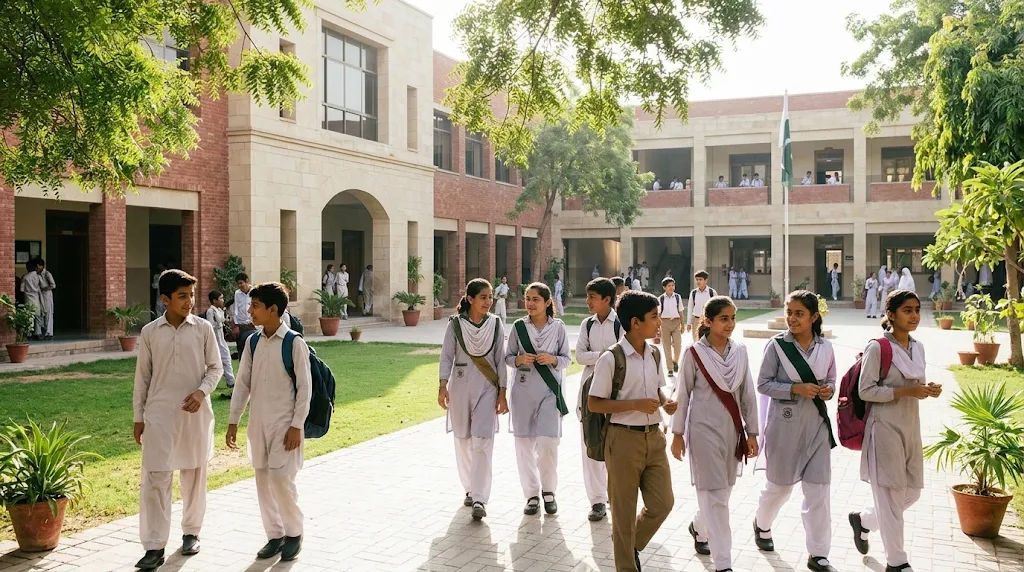 Karachi is a large city with many educational institutions offering different teaching methods, academic programmes, and learning environments. However, not every school provides the same standard of facilities. Parents searching for the best schools in karachi should look beyond attractive buildings and impressive advertisements. They should consider whether a school has the resources, equipment, safety arrangements, and learning spaces needed to support students throughout their educational journey.
The right facilities can make everyday school life more comfortable, productive, and enjoyable. From well-equipped science laboratories to libraries, sports grounds, technology rooms, and healthcare services, every facility contributes something valuable to student development. Understanding which facilities matter most can help parents make informed decisions when comparing schools.
1. Well-Equipped and Comfortable Classrooms
Classrooms are the foundation of every educational institution. Students spend a significant part of their day learning in these spaces, so their design and condition directly affect the learning experience.
A good classroom should be spacious, clean, properly ventilated, and comfortable. Students need enough room to sit, move around, participate in activities, and work together without feeling crowded.
Proper Furniture and Seating Arrangements
Desks and chairs should be suitable for students of different age groups. Comfortable furniture supports better posture and allows students to concentrate during lessons.
Classrooms should also have enough seating for all students. Overcrowding can make it difficult for teachers to manage lessons and provide individual attention.
Modern Teaching Equipment
Modern classrooms should include useful educational tools such as:
-
Whiteboards and interactive boards.
-
Projectors and presentation screens.
-
Computers or tablets where appropriate.
-
Proper lighting and ventilation.
-
Educational charts and learning materials.
These resources allow teachers to explain complicated topics through presentations, diagrams, videos, and practical examples.
2. A Well-Stocked School Library
A school library is one of the most valuable educational facilities. It encourages students to read, explore new subjects, develop vocabulary, and improve their research abilities.
A well-organised library should contain books suitable for different ages, reading levels, and academic interests.
Different Types of Reading Materials
Students should have access to several categories of books, including:
-
Fiction and non-fiction books.
-
Science and mathematics resources.
-
History and geography books.
-
Dictionaries and encyclopedias.
-
Literature and language books.
-
Reference materials for examinations.
A diverse collection allows students to explore subjects beyond their regular classroom lessons.
Quiet Reading and Study Areas
Libraries should provide comfortable seating and quiet study spaces. Students can use these areas to complete assignments, prepare for examinations, and develop independent learning habits.
Some modern schools also provide digital libraries where students can access approved educational resources through computers.
The best schools in karachi should treat libraries as active learning centres rather than simply rooms where books are stored.
3. Modern Science Laboratories
Science education becomes more effective when students can connect theoretical knowledge with practical experiences. Laboratories allow students to observe scientific concepts and understand how different processes work.
Schools offering secondary and higher-secondary education should provide properly equipped science laboratories.
Physics Laboratory
A physics laboratory should contain appropriate educational equipment for demonstrating basic principles of motion, electricity, magnetism, light, and energy.
Students can understand scientific theories more clearly when they observe demonstrations and perform supervised experiments.
Chemistry Laboratory
Chemistry laboratories should have suitable educational equipment, protective materials, storage arrangements, and ventilation.
Students should receive proper instructions from trained teachers before participating in practical activities.
Biology Laboratory
Biology laboratories should provide models, charts, microscopes, and other suitable educational resources.
These materials help students understand topics such as human anatomy, plant structures, cells, and different biological systems.
Laboratory Safety
Safety should always be a priority. Laboratories need clearly displayed instructions, appropriate protective equipment, supervised activities, and secure storage for materials.
Parents should check whether practical lessons are conducted responsibly and whether students receive proper guidance.
4. Computer Labs and Digital Learning Facilities
Technology has become an important part of modern education. Students need basic digital knowledge to complete assignments, conduct research, communicate, and prepare for future academic and professional opportunities.
A properly equipped computer laboratory gives students opportunities to develop these abilities.
Updated Computers and Software
Computer labs should have functional computers with suitable educational software. Students should learn essential skills such as word processing, presentations, spreadsheets, internet research, and basic digital communication.
Older students may also benefit from introductory lessons in programming, coding, and digital problem-solving.
Reliable Internet Access
Schools should provide controlled internet access for educational purposes.
Teachers can use online resources to explain subjects, introduce interactive learning activities, and guide students through research projects.
However, internet use should be supervised to maintain student safety and encourage responsible digital behaviour.
Digital Learning in Classrooms
Technology should not be limited to computer laboratories. Interactive displays, digital presentations, and educational applications can also improve regular classroom lessons.
Schools should make sure that technology supports teaching instead of becoming a distraction.
5. Sports Grounds and Physical Education Facilities
Education should support physical development alongside academic progress. Sports facilities allow students to remain active, develop teamwork, and learn important life skills.
Regular physical activity can also support concentration, confidence, and general well-being.
Outdoor Sports Facilities
A good school should have suitable outdoor spaces for different sports and physical activities.
Depending on the available campus area, these may include:
-
Cricket grounds.
-
Football fields.
-
Basketball courts.
-
Volleyball courts.
-
Badminton facilities.
-
Running and activity areas.
The sports facilities should be properly maintained and suitable for the students who use them.
Indoor Sports Facilities
Indoor spaces are also important, especially during extremely hot weather or rainy conditions.
Schools can provide indoor areas for badminton, table tennis, chess, gymnastics, and other supervised activities.
Qualified Sports Teachers
Sports facilities are more valuable when students receive proper coaching.
Qualified instructors can teach basic techniques, encourage fair play, organise competitions, and help students develop confidence through physical activities.
When evaluating the best schools in karachi, parents should consider whether sports are treated as an important part of education rather than an occasional activity.
6. Clean Drinking Water and Proper Washroom Facilities
Hygiene and sanitation are essential for maintaining a healthy school environment. Students need access to clean drinking water and properly maintained washrooms throughout the school day.
Safe Drinking Water
Schools should provide clean drinking water through suitable filtration and purification systems.
Water dispensers should be maintained regularly, and the school should follow appropriate procedures to ensure water quality.
Clean and Accessible Washrooms
Washrooms should be cleaned frequently and supplied with essential hygiene materials.
Important features include:
-
Separate facilities for boys and girls.
-
Clean toilets and washbasins.
-
Running water.
-
Proper ventilation.
-
Soap and handwashing facilities.
-
Suitable arrangements for younger students.
-
Accessible facilities for students with disabilities.
Maintaining clean washrooms helps students feel comfortable and encourages healthy personal hygiene habits.
7. Medical Rooms and First-Aid Facilities
Student health and safety should always be a major priority. Children may experience minor injuries, sudden illness, or other health concerns during school hours.
A school medical room provides a designated space where students can receive initial assistance.
Basic Medical Equipment
A suitable medical room should have essential first-aid supplies, a comfortable resting area, and basic medical equipment.
The school should also maintain clear procedures for contacting parents when a student becomes unwell.
Trained Medical Support
Having a qualified nurse or trained first-aid staff member can improve the school's ability to respond to common health concerns.
Teachers and other staff members should also understand basic emergency procedures.
Emergency Preparedness
Schools should have clear arrangements for contacting emergency services and informing parents when necessary.
Medical records and emergency contact information should be handled responsibly and kept confidential.
8. Safe Transportation Facilities
Karachi's busy roads and traffic conditions make school transportation an important consideration for many families.
A reliable school transport system can make daily travel more organised and convenient.
Well-Maintained School Buses
School buses should be regularly inspected and maintained. Vehicles should have suitable seating, working safety equipment, and enough space for students.
Drivers should have appropriate licences and experience transporting children.
Trained Transport Staff
Schools should ensure that drivers and accompanying staff understand their responsibilities.
They should follow assigned routes, maintain discipline, and communicate with parents when necessary.
Clear Pickup and Drop-Off Arrangements
Parents should receive information about transportation schedules, routes, and designated pickup points.
Schools should also have procedures for handling delays, emergencies, and changes in transportation arrangements.
Transportation facilities should be assessed as carefully as classrooms and laboratories because student safety continues beyond the school campus.
9. Art, Music, and Creative Activity Rooms
Academic subjects are important, but creativity also plays a valuable role in student development.
Art and music facilities give students opportunities to express themselves, discover interests, and develop new abilities.
Art and Craft Rooms
An art room should provide suitable tables, storage areas, drawing materials, and other creative resources.
Students can participate in painting, sketching, sculpture, crafts, and design activities.
These experiences encourage imagination, patience, and creative problem-solving.
Music Rooms
Music facilities may include musical instruments, sound equipment, and suitable practice spaces.
Students can learn singing, instrumental performance, rhythm, and basic music theory.
Drama and Performance Spaces
Schools can also provide multipurpose halls or small performance areas for drama, speeches, debates, and cultural programmes.
These activities help students improve communication skills and become more confident when speaking in front of others.
10. Spacious Auditoriums and Multipurpose Halls
An auditorium is a useful facility for organising school-wide activities and educational events.
It provides a central space where students, teachers, and parents can participate in different programmes.
Educational Events
Schools can use auditoriums for:
-
Annual award ceremonies.
-
Educational seminars.
-
Guest lectures.
-
Debates and competitions.
-
Student presentations.
-
Cultural celebrations.
-
School assemblies.
A suitable auditorium should have comfortable seating, proper lighting, ventilation, and an appropriate sound system.
Student Participation
Students should have opportunities to participate in organising and presenting events.
Such experiences encourage leadership, teamwork, communication, and responsibility.
A multipurpose hall can also be used for indoor activities when outdoor spaces are unavailable.
11. Safe and Secure School Campuses
A school must provide an environment where students feel protected and comfortable.
Security should cover the entire campus, including entrances, classrooms, playgrounds, and other commonly used areas.
Controlled Entry and Exit
Schools should have organised entry and exit systems.
Visitors should be required to follow appropriate registration procedures, while student pickup arrangements should be clearly communicated to parents.
Trained Security Personnel
Security staff should understand how to manage visitors, monitor campus activities, and respond appropriately to emergencies.
Schools should also maintain clear procedures for reporting safety concerns.
Fire Safety and Emergency Exits
Fire extinguishers, emergency exits, evacuation plans, and safety instructions should be available where required.
Regular emergency drills help students and staff understand what to do during unexpected situations.
The best schools in karachi should maintain security standards without creating an uncomfortable or intimidating environment for students.
12. Facilities for Students With Disabilities
Inclusive education means providing learning opportunities to students with different abilities and requirements.
Schools should make reasonable efforts to ensure that all students can access classrooms, educational resources, and school activities.
Accessible Campus Design
Useful accessibility features include:
-
Ramps and suitable pathways.
-
Accessible washrooms.
-
Handrails where necessary.
-
Appropriate classroom arrangements.
-
Safe and accessible entrances.
These facilities help students move around the campus more independently.
Inclusive Learning Resources
Some students may require specialised educational materials, assistive technology, or additional learning support.
Schools should work with qualified professionals and families to identify appropriate arrangements.
Supportive Teachers
Teachers should understand inclusive teaching practices and respect individual learning differences.
A welcoming environment helps students develop confidence and participate meaningfully in school life.
13. Cafeteria and Healthy Food Facilities
Students need suitable food and refreshments during long school days. A clean and organised cafeteria can provide a convenient place to purchase meals and snacks.
Clean Food Preparation Areas
Food preparation and serving areas should follow appropriate hygiene standards.
Tables, utensils, storage areas, and food preparation surfaces should be cleaned regularly.
Nutritious Food Choices
A school cafeteria should offer balanced food options rather than relying entirely on processed snacks and sugary drinks.
Suitable choices may include sandwiches, fruit, milk, and other nutritious refreshments.
Clean Seating Areas
Students should have enough seating to eat comfortably during breaks.
Schools should also encourage students to dispose of waste properly and maintain cleanliness.
14. Counselling and Student Support Services
Students face different academic, social, and personal challenges as they grow.
A supportive school should recognise that educational development involves more than examination results.
Academic Counselling
Academic counsellors can help students understand their strengths, identify areas for improvement, and make informed subject choices.
Older students may also benefit from guidance about university applications and future career options.
Emotional and Social Support
Qualified counsellors can provide appropriate support when students experience stress, adjustment difficulties, or social challenges.
Schools should maintain confidentiality and follow suitable safeguarding procedures.
Career Guidance
Career counselling becomes especially valuable during secondary and higher-secondary education.
Students can explore different professions, understand university requirements, and learn about academic pathways.
These services help students make thoughtful decisions about their future.
15. Teacher Training and Professional Development Facilities
Even the most impressive school building cannot guarantee quality education without capable teachers.
Teachers are responsible for explaining lessons, supporting students, managing classrooms, and creating a positive learning environment.
Schools should therefore invest in continuous professional development.
Teacher Training Programmes
Professional development workshops can help teachers improve their teaching methods and understand modern educational practices.
Training may cover classroom management, assessment techniques, educational technology, and inclusive teaching.
Staff Collaboration Areas
Schools should provide suitable spaces where teachers can plan lessons, discuss student progress, and exchange teaching ideas.
Regular collaboration helps maintain consistency across different classrooms and grade levels.
Modern Teaching Approaches
Teachers should encourage questions, discussion, critical thinking, and practical learning.
Students should feel comfortable participating in lessons instead of simply memorising information.
16. Outdoor Learning Areas and Green Spaces
Green spaces provide students with opportunities to relax, enjoy fresh air, and connect with nature.
Even schools with limited campus space can develop small gardens or outdoor learning areas.
School Gardens
Gardens can introduce students to plants, environmental awareness, and basic gardening activities.
Teachers can use these areas to explain topics related to biology and environmental science.
Shaded Outdoor Spaces
Shaded seating areas are particularly useful in Karachi because temperatures can become very high during certain months.
Students need comfortable spaces where they can spend breaks without unnecessary exposure to intense sunlight.
Environmental Awareness
Schools can organise recycling activities, tree-planting programmes, and environmental education projects.
These activities encourage students to understand their responsibility toward the environment.
17. Reliable Electricity and Backup Power
Electricity is essential for maintaining a comfortable and functional school environment.
Power interruptions can affect classroom activities, computer laboratories, lighting, and other educational facilities.
Schools should consider suitable backup arrangements to maintain essential services.
Backup Power Systems
Depending on campus requirements, schools may use generators, UPS systems, or solar energy solutions.
Backup arrangements should support important facilities such as classrooms, computer labs, security systems, and medical rooms.
Proper Lighting and Cooling
Classrooms should have sufficient lighting and appropriate ventilation.
Fans, air-conditioning systems where available, and other cooling arrangements should be maintained properly.
These features are especially important during Karachi's hot summer months.
18. How Parents Can Evaluate School Facilities
Knowing which facilities matter is only the first step. Parents should also understand how to assess them before selecting a school.
A school visit provides an opportunity to observe the actual learning environment rather than relying entirely on promotional information.
Arrange a Campus Visit
Parents should request permission to visit the campus and inspect important facilities.
They can observe classrooms, libraries, laboratories, washrooms, playgrounds, and common areas.
Ask Questions About Maintenance
Having a facility does not necessarily mean it is properly maintained.
Parents should ask how frequently laboratories are inspected, how libraries are updated, and how washrooms and sports areas are maintained.
Observe Student Safety
Pay attention to security arrangements, emergency exits, transportation procedures, and staff supervision.
These details can provide valuable information about the school's overall management.
Speak With Teachers and Parents
Conversations with existing parents and teachers may help families understand the school's everyday environment.
Parents can ask about teaching quality, extracurricular opportunities, communication, and student support services.
Consider Educational Needs
Every student has different interests and learning requirements.
Some may benefit from strong science laboratories, while others may be particularly interested in sports, technology, art, or music.
The right school should offer a balanced environment that supports academic progress and personal development.
Conclusion
Choosing a school requires careful consideration of several factors, and facilities are among the most important. A quality educational institution should provide much more than attractive buildings and traditional classrooms. It should create an environment where students can learn effectively, remain healthy, explore their interests, and develop the skills needed for the future.
Well-equipped classrooms, modern science laboratories, computer facilities, libraries, sports grounds, and creative activity rooms all contribute to a balanced educational experience. Similarly, clean drinking water, hygienic washrooms, medical support, secure transportation, and appropriate campus security help ensure student comfort and safety.
Parents should also consider facilities that support individual development, including counselling services, inclusive learning arrangements, career guidance, and outdoor learning spaces. These resources help students develop academically, socially, emotionally, and physically.
When comparing the best schools in karachi, families should focus on the quality, accessibility, and maintenance of available facilities instead of judging an institution only by its appearance or reputation. Visiting campuses, asking relevant questions, and understanding the school's educational approach can make the selection process more effective.
Ultimately, the best educational environment is one where students feel safe, respected, encouraged, and motivated to learn. A school that combines excellent teaching with well-maintained facilities can provide a strong foundation for lifelong learning and future success.