Choosing the right nursing bra is an important part of making breastfeeding more comfortable. During pregnancy and after childbirth, breast size, shape, and sensitivity can change considerably. A bra that once felt comfortable may begin to feel tight, while a loose one may fail to provide enough support. Understanding the correct fit can help mothers feel more comfortable throughout the day, whether they are feeding their babies, resting at home, or going outdoors. 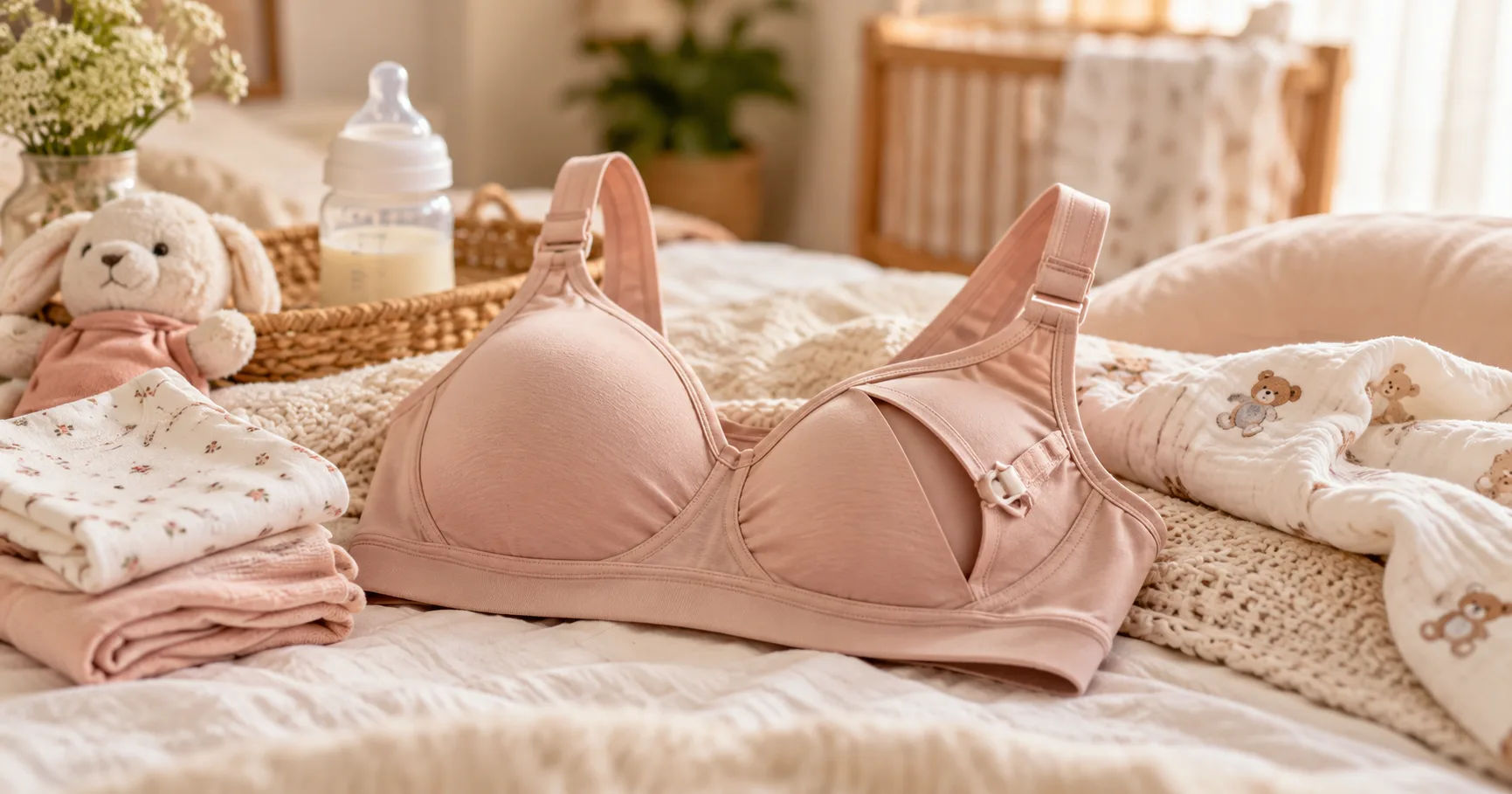 A well-fitting nursing bra should support the breasts without squeezing them, allow easy access for breastfeeding, and feel comfortable against sensitive skin. When choosing a nursing bra in Pakistan, mothers should consider their changing breast size, the local climate, fabric quality, adjustable features, and their daily routine. The right choice should make feeding easier without creating unnecessary pressure or discomfort.
There is no single bra size or design that suits every mother. Some women prefer soft, wireless bras, while others need additional support for fuller breasts. The best fit depends on individual measurements, breast changes, and personal comfort. By learning how the band, cups, straps, and nursing clips should fit, mothers can make a more informed decision.
Why Proper Nursing Bra Fit Matters
A nursing bra is designed to support the breasts while making breastfeeding convenient. Unlike a regular bra, it usually has cups that open or fold down to allow a baby to feed without requiring the entire bra to be removed.
Proper fit matters because the breasts may become fuller when milk production increases. They can also feel tender during the early weeks of breastfeeding. A bra that fits well can provide gentle support and reduce discomfort caused by unnecessary movement or poorly positioned seams.
A bra that is too tight, however, may leave deep marks, press painfully against the breasts, or make feeding uncomfortable. A bra that is too loose may allow excessive movement and cause straps to slip.
The goal is not to make the breasts look a particular way. It is to find a supportive garment that allows natural movement, easy feeding, and comfortable breathing.
How Should the Band Fit?
The band is one of the most important parts of a nursing bra because it provides much of the garment's support.
It Should Feel Snug but Comfortable
The band should sit horizontally around the body, directly beneath the breasts. It should feel secure without digging into the skin or restricting breathing.
You should be able to slide approximately two fingers underneath the band without excessive difficulty. This is a useful starting point, although comfort matters more than following a rigid measurement rule.
If the band rides up toward the shoulder blades, it may be too loose. If it leaves painful marks or feels restrictive, it may be too tight.
Check the Fit While Moving
Do not judge the band only while standing still. Raise your arms, bend forward, sit down, and move your shoulders.
The band should remain reasonably in place without rolling excessively or shifting upward. If it moves significantly whenever you change position, try another band size or design.
Allow for Breast Changes
Breast size can fluctuate throughout the day, particularly before and after feeding. A bra that fits comfortably in the morning may feel tighter when the breasts become full.
Look for adjustable bands with several fastening positions. During pregnancy and the early postpartum period, additional flexibility can be especially useful.
When shopping for a nursing bra in Pakistan, consider whether the band can accommodate normal body changes without becoming uncomfortable.
How Should the Cups Fit?
The cups should contain and support the breasts without squeezing them or leaving large gaps.
Avoid Spilling Over the Cups
If breast tissue bulges over the top or sides of the cups, the bra may be too small or the cup shape may not suit your breasts.
Spillage can become more noticeable when the breasts are full of milk. Try adjusting the straps and repositioning the breast tissue before deciding whether you need a different size.
If the cups continue to compress the breasts, choose a larger cup size or a different design.
Avoid Excessive Gaps
Large gaps between the cups and breasts may indicate that the cups are too large or shaped differently from your natural breast shape.
However, small gaps do not always mean a bra is unsuitable. Soft nursing bras stretch and adapt to changes in breast fullness, so some flexibility is normal.
The important thing is that the bra stays in place, provides comfortable support, and does not create pressure points.
Check the Underarm Area
The sides of the cups should comfortably contain the breast tissue without cutting into the underarms.
If the fabric presses painfully against the sides of the breasts, consider a wider cup design or a different size. Smooth, flexible edges can improve comfort during long periods of wear.
Should a Nursing Bra Have Underwire?
Underwire is a personal preference, but comfort and fit should come first.
Wireless Nursing Bras
Wireless bras are popular because they generally offer a soft, flexible feel. They may be particularly comfortable during the early postpartum period, when breasts are sensitive and their size changes frequently.
Many wireless designs use wide bands, supportive fabric, and shaped cups to provide gentle support without rigid wires.
They can be suitable for sleeping, resting, and everyday activities, depending on the design and the level of support required.
Underwired Nursing Bras
Some mothers prefer underwired bras because they provide a more structured shape and additional support.
If you choose one, the wire should follow the natural crease beneath the breast. It should not press into breast tissue, dig into the skin, or move upward when you raise your arms.
Breast size can fluctuate during breastfeeding, so an underwired bra that fits poorly may become uncomfortable. If it causes pressure or pain, stop wearing it and try a better-fitting alternative.
A nursing bra should never feel painful simply because it is designed to provide support.
How Should the Straps Fit?
Straps help keep the bra positioned correctly, but they should not carry all the weight of the breasts.
Look for Adjustable Straps
Adjustable straps allow you to customize the fit as your body changes. This is useful when breast fullness, posture, or weight changes affect how a bra sits.
The straps should rest comfortably on the shoulders without slipping repeatedly or digging into the skin.
Avoid Over-Tightening
Tightening the straps too much may pull the cups upward and create unnecessary pressure on the shoulders.
If you need to shorten the straps excessively to obtain support, check whether the band is too loose or the cups are the wrong size.
Wider straps may distribute pressure more comfortably, particularly for mothers with fuller breasts.
How Should Nursing Clips and Openings Fit?
Easy access is one of the main features that distinguishes a nursing bra from an ordinary bra.
Check the Opening Mechanism
Many nursing bras have clips that release the upper part of each cup. Others use pull-aside panels or crossover designs.
The opening should be easy to operate with one hand. This can be helpful when you are holding your baby with the other arm.
Before purchasing, open and close the fastening several times to check whether it works smoothly.
Make Sure the Cup Folds Away Properly
When the cup is released, it should move away from the breast without twisting painfully or pulling the surrounding fabric.
After fastening it again, check that the cup returns to its normal position and provides the same support as before.
Avoid designs with rough edges, stiff seams, or clips that press against the skin.
Check Support During Feeding
The bra should remain comfortable when one cup is open and the other breast remains supported.
The band should not shift dramatically, and the straps should stay in place. A good design allows convenient access without requiring repeated adjustments.
Which Fabric Is Best for Pakistan's Climate?
Pakistan experiences hot summers in many regions, while winters can be cold in northern areas and relatively mild elsewhere. Fabric choice can therefore make a significant difference to daily comfort.
Breathable Cotton Blends
Cotton and cotton-blend fabrics are popular because they feel soft and can help manage everyday moisture.
A stretchy cotton blend may provide a comfortable combination of softness and flexibility. Check the fabric composition because not every cotton bra has the same level of breathability or stretch.
For sensitive skin, smooth materials and soft seams may be more important than the fabric label alone.
Moisture-Wicking Materials
Some nursing bras use synthetic fabrics designed to move moisture away from the skin.
These may be useful during hot weather, physical activity, or long periods outdoors. Look for materials that feel soft rather than rough or excessively compressive.
If you experience sweating beneath the breasts, changing into a clean, dry bra can help reduce skin irritation.
Choose Comfortable Seams and Labels
Raised seams, stiff labels, and rough lace may irritate sensitive skin, especially when the breasts are tender.
If you have sensitive skin, consider seamless or lightly structured designs. Check the inner surface of the bra before buying it.
A comfortable nursing bra in Pakistan should suit the weather, your skin, and the amount of time you expect to wear it.
How to Measure Yourself for the Right Fit
Measurements can help you choose a starting size, but they should not replace a physical fit check.
Step 1: Measure the Band Area
Use a flexible measuring tape to measure around your rib cage, directly beneath your breasts.
Keep the tape level and comfortably snug. It should not be so tight that it restricts breathing.
Record the measurement in centimetres or inches, depending on the sizing chart used by the brand.
Step 2: Measure Around the Fullest Part
Measure around the fullest part of your breasts while keeping the tape level across your back.
Do not pull the tape tightly or press down on breast tissue. The measurement should reflect your natural shape.
Step 3: Consult the Brand's Size Chart
Different brands may use different sizing systems. A medium in one brand may not fit the same as a medium in another.
Compare your measurements with the specific brand's chart instead of relying entirely on your usual clothing size.
If you fall between sizes, consider the bra's stretch, adjustability, and how your breasts change during the day.
Step 4: Test the Fit Before Buying
If possible, try the bra on and assess the band, cups, straps, and nursing clips together.
Move your arms, sit down, bend forward, and fasten and release the cups. A good fit should remain comfortable throughout these movements.
If you are buying online, review the return or exchange policy before placing your order.
When Should You Recheck Your Nursing Bra Size?
Your nursing bra size may change several times during pregnancy and breastfeeding.
During Pregnancy
Breast growth can begin early in pregnancy and continue as the body prepares for breastfeeding.
If your usual bra becomes restrictive, consider a more flexible style. Avoid buying a large quantity of one size before you understand how your body is changing.
During the Early Breastfeeding Weeks
Breasts may become noticeably fuller when milk production increases after childbirth. Tenderness and fluctuations in size are also common.
During this period, a soft bra with adjustable features may be more practical than a rigid design.
As Breastfeeding Continues
Breast size may change as feeding patterns develop. Your previous bra may eventually become too loose or provide insufficient support.
Recheck the fit whenever you notice discomfort, persistent slipping, cup spillage, or a band that no longer sits correctly.
There is no universal schedule for changing sizes. Let your comfort and fit guide the decision.
Signs Your Nursing Bra Does Not Fit Properly
Recognizing common fit problems can help you avoid unnecessary discomfort.
Watch for these signs:
-
Painful pressure: The band, cups, or wires press uncomfortably against your body.
-
Breast spillage: Tissue escapes over the top or sides of the cups.
-
Loose cups: The fabric shifts excessively or fails to provide comfortable support.
-
Rising band: The back of the band moves upward during normal activity.
-
Shoulder discomfort: The straps dig into your shoulders or repeatedly slide off.
-
Difficult feeding access: Clips are hard to open or the cups do not fold away properly.
-
Persistent red marks: The bra leaves painful or lasting pressure marks.
A brief, shallow mark may occur after wearing a fitted garment, but pain, deep grooves, or persistent irritation suggest that the fit needs attention.
A nursing bra should not compress the breasts tightly. If you develop a painful breast lump, redness, warmth, fever, or worsening breast pain, contact a healthcare professional promptly. These symptoms may indicate a problem that requires assessment.
Tips for Choosing a Nursing Bra in Pakistan
Finding the right product involves more than selecting a size from a label. Consider the following practical points before making a purchase.
Prioritize Comfort Over Appearance
Attractive designs can be appealing, but comfort should remain the priority.
Choose a bra that feels good when sitting, walking, resting, and breastfeeding. Decorative details should not rub against sensitive skin or interfere with the opening mechanism.
Check the Size Range
Some brands offer limited sizing, while others provide a wider range of band and cup combinations.
If your breasts are fuller or your rib cage is smaller or larger than average, look for a brand that accommodates your measurements rather than forcing you into a standard size.
Compare Quality and Price
Prices vary depending on the fabric, construction, brand, and design.
A lower-priced bra may be suitable for everyday use if it provides a good fit and holds its shape after washing. A more expensive option is not automatically better.
Inspect the stitching, elastic, clips, and fastening points. These details affect how well the bra performs over time.
Read Product Reviews Carefully
Online reviews can help you understand whether a product runs small, stretches after washing, or has clips that are difficult to use.
Look for reviews from customers who describe similar fit needs. Remember that individual experiences vary, and measurements remain more useful than a reviewer's usual size alone.
Check Washing Instructions
Frequent washing is normal during breastfeeding, particularly when milk leakage occurs.
Choose a bra that can be cleaned easily according to its care instructions. Gentle washing and avoiding excessive heat may help preserve the elastic and fastening mechanisms.
Having more than one comfortable bra can also make it easier to rotate garments while others are being washed.
Common Nursing Bra Fitting Mistakes to Avoid
Several simple mistakes can make an otherwise suitable bra uncomfortable.
Choosing the same size as your regular bra: Nursing bras may have different cuts and stretch levels, so check the actual fit rather than assuming the size will match.
Buying a bra that is too tight for extra support: Compression is not a substitute for proper support. A tight bra may cause discomfort and leave pressure marks.
Ignoring changes in breast fullness: A bra should accommodate normal fluctuations without painfully squeezing the breasts.
Relying only on cup size: Band size, cup shape, strap adjustment, and fabric stretch all influence the overall fit.
Keeping an uncomfortable bra for too long: If a garment repeatedly causes pain or irritation, replace it with a better-fitting option.
Forgetting to check the nursing clips: Easy access is essential, and faulty fastenings can make everyday feeding unnecessarily frustrating.
Taking a few minutes to assess these details can help you find a bra that works better for your needs.
Conclusion
A properly fitted nursing bra should provide gentle support, comfortable coverage, and convenient access for breastfeeding without squeezing the breasts or restricting movement. The band should sit securely beneath the breasts, the cups should contain breast tissue without spillage or painful gaps, and the straps should remain comfortable on the shoulders. Nursing clips should open easily and allow feeding without disturbing the rest of the garment.
When choosing a nursing bra in Pakistan, consider the country's changing weather, breathable fabrics, adjustable features, product quality, and your personal comfort. Cotton blends may be suitable for everyday wear, while moisture-wicking materials can be helpful during hot weather. Wireless designs may appeal to mothers who prefer flexibility, although individual support needs differ.
It is equally important to recognize that breast size can change during pregnancy and throughout breastfeeding. Measure yourself when necessary, consult the manufacturer's sizing chart, and check the fit through normal movements rather than relying on the label alone. Avoid bras that cause persistent pain, deep pressure marks, or uncomfortable compression.
Ultimately, the best nursing bra is one that fits your body as it is today, supports your daily routine, and makes breastfeeding more convenient. Prioritize comfort over appearance, choose a design that suits your needs, and reassess the fit whenever your body changes. With careful selection, you can find a nursing bra that supports you through the different stages of motherhood.