Mobile gaming has become one of the most popular ways to enjoy entertainment, compete with other players, and experience interactive digital worlds. However, not every smartphone provides the same gaming performance. Some phones run demanding games smoothly, while others experience lag, freezing, slow loading, and unexpected crashes. One important factor behind these differences is RAM.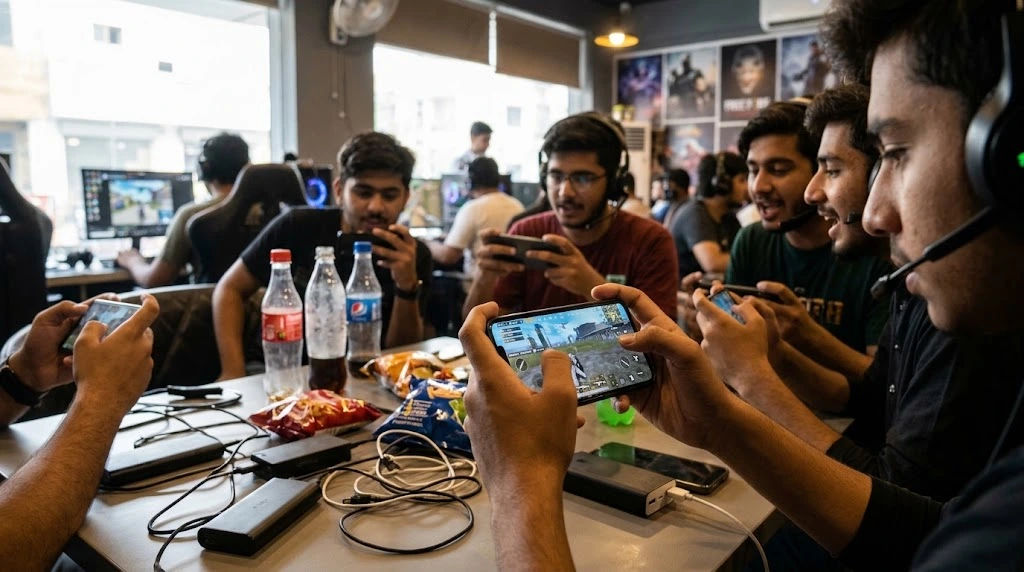
Understanding how much RAM mobile gaming needs can help you choose a suitable smartphone and enjoy a better gaming experience. Whether you play simple puzzle games, racing games, battle royale titles, or competitive multiplayer games, the amount of available memory can influence performance. Platforms and gaming communities such as z777 also highlight the importance of having a reliable device for enjoying mobile entertainment without unnecessary interruptions.
The right amount of RAM depends on the games you play, your smartphone's processor, operating system, and the number of applications running in the background. More RAM does not automatically guarantee better gaming, but having enough memory can make a noticeable difference.
This comprehensive guide explains mobile gaming RAM requirements, recommended memory levels, performance factors, and practical ways to improve your smartphone gaming experience.
What Is RAM in a Smartphone?
RAM stands for Random Access Memory. It is a type of temporary memory that allows your smartphone to access information quickly while applications are running.
When you open a mobile game, your device uses RAM to store temporary information needed for gameplay. This may include game environments, character details, graphics resources, sound information, and other active processes.
Unlike internal storage, RAM is not designed to permanently save information. Its main purpose is to help applications operate efficiently.
For example, when you switch between a mobile game and another application, your smartphone may keep some game information in RAM. This can help the game return quickly when you switch back.
How RAM Supports Mobile Gaming
RAM supports several important gaming activities.
-
Game loading: It helps store information needed to launch and operate a game.
-
Graphics processing: It provides temporary space for game assets and other resources.
-
Multitasking: It allows multiple applications to remain active.
-
Background operations: It helps manage notifications and other smartphone activities.
-
Performance stability: Sufficient memory reduces the likelihood of applications being closed because of memory pressure.
Although RAM is important, it works alongside other smartphone components. A powerful processor and capable graphics processor are also necessary for smooth gameplay.
How Much RAM Does Mobile App Gaming Need?
The amount of RAM required depends on the type of games you want to play. Simple mobile games generally require less memory, while advanced games with detailed graphics and large environments need more resources.
For most modern users, 6GB to 8GB of RAM provides a comfortable starting point. However, smartphones with 12GB or more can offer additional flexibility for demanding games and multitasking.
Here is a general comparison of different RAM capacities.
2GB RAM: Basic Gaming Requirements
A smartphone with 2GB of RAM may handle simple games, including basic puzzles, card games, and lightweight entertainment applications.
However, this amount of memory is limited for modern gaming.
You may experience slow loading, application closures, and difficulty switching between different applications. Some newer games may not support devices with such limited memory.
A 2GB smartphone is generally unsuitable for people who regularly play demanding mobile games.
3GB to 4GB RAM: Entry-Level Gaming
Smartphones with 3GB or 4GB of RAM can provide a reasonable experience for lightweight games.
They may support older racing games, casual multiplayer titles, simple strategy games, and basic arcade experiences.
However, demanding games may require reduced graphics settings.
You may also notice that applications restart when you switch between them. This happens because the operating system needs to manage limited available memory.
For occasional gaming, 4GB can still be useful, but it is not the best choice for long-term gaming needs.
6GB RAM: A Good Starting Point
Six gigabytes of RAM is a practical option for many mobile gamers.
It provides more space for modern games and background applications. Users can generally enjoy a wider selection of gaming experiences without constantly worrying about memory limitations.
A 6GB smartphone may handle popular multiplayer games, casual racing titles, and several moderately demanding applications.
Performance will still depend on the processor, graphics hardware, and game optimization.
8GB RAM: Recommended for Most Gamers
Eight gigabytes of RAM is a strong choice for people who enjoy regular mobile gaming.
It offers a useful balance between performance, affordability, and multitasking.
With 8GB of RAM, you can generally expect better memory availability when playing demanding games, switching between applications, or using communication tools alongside gameplay.
It is particularly suitable for people who enjoy longer gaming sessions.
12GB RAM: For Demanding Mobile Games
Twelve gigabytes of RAM provides additional memory capacity for advanced smartphone gaming.
It can be helpful when playing graphics-intensive games while keeping other applications available in the background.
This capacity is also useful for users who record gameplay, communicate with friends, or frequently switch between multiple applications.
However, 12GB does not guarantee higher frame rates than an 8GB device. The processor and graphics performance remain important.
16GB RAM or More: Advanced Multitasking
Some premium smartphones offer 16GB or more of RAM.
These devices are designed to provide additional memory capacity for demanding applications and extensive multitasking.
For ordinary mobile gaming, however, this amount may be unnecessary.
A well-optimized smartphone with 8GB or 12GB of RAM can provide an excellent gaming experience without requiring an extremely high memory capacity.
Recommended RAM for Different Types of Mobile Games
Not every game requires the same amount of memory. Understanding your gaming habits can help you select an appropriate smartphone.
Casual and Puzzle Games
Casual games usually have relatively simple graphics and smaller environments.
Examples include puzzle games, word games, basic arcade titles, and traditional card games.
For these applications, 3GB to 4GB of RAM may be sufficient.
However, choosing 6GB provides additional flexibility when using other applications.
Racing and Sports Games
Racing and sports games often contain detailed environments, animations, player models, and visual effects.
These features can increase memory requirements.
A smartphone with 6GB to 8GB of RAM is a reasonable choice for this category.
If you regularly play visually demanding titles, an 8GB device may provide a more comfortable experience.
Battle Royale Games
Battle royale games frequently include large maps, multiple players, detailed environments, and continuous gameplay updates.
These features can place additional demands on smartphone hardware.
For a better experience, consider a smartphone with at least 8GB of RAM.
A 12GB device may provide additional flexibility, especially when multitasking.
Strategy and Simulation Games
Strategy and simulation games can involve complicated systems, large maps, multiple characters, and extensive in-game information.
Some titles are lightweight, while others require considerably more resources.
An 8GB smartphone is a practical choice for many modern strategy games.
For especially demanding simulation titles, additional memory can be useful.
Online Multiplayer Games
Online multiplayer games combine gameplay with network communication, account services, notifications, and other background processes.
A smartphone with 6GB to 8GB of RAM can support many multiplayer experiences.
However, remember that internet connection quality also affects online performance. RAM cannot eliminate network delays or server-related problems.
Does More RAM Improve Mobile Gaming Performance?
More RAM can improve gaming performance when your smartphone does not have enough memory to handle its active applications.
However, increasing RAM does not automatically make every game faster.
For example, a smartphone with 8GB of RAM and a powerful processor may outperform a device with 16GB of RAM and an outdated processor.
This happens because different hardware components perform different jobs.
Understanding the Relationship Between RAM and FPS
FPS means frames per second. It describes how many individual frames a game displays every second.
Higher FPS can make movement appear smoother, particularly in fast-paced games.
RAM helps the device maintain the information required for gameplay, but the processor and graphics processor are more directly responsible for generating frames.
If a smartphone has insufficient RAM, the game may experience interruptions, asset-loading problems, or application closures.
However, if the graphics processor is weak, adding more RAM will not necessarily increase FPS.
Can Extra RAM Reduce Lag?
Extra RAM can help reduce memory-related interruptions.
For example, when several applications are running simultaneously, a smartphone with limited memory may close background applications to make room for the active game.
Having more available RAM can reduce this pressure.
Nevertheless, lag can also result from overheating, poor internet connectivity, outdated software, or insufficient processing power.
Therefore, it is important to identify the actual cause before assuming that additional RAM will solve every problem.
Other Smartphone Features That Affect Gaming Performance
RAM is only one part of a smartphone's overall performance. Several other components can influence the quality of your gaming experience.
Processor and Graphics Processor
The processor manages general smartphone operations and performs important calculations during gameplay.
The graphics processor handles visual rendering, including textures, lighting, animations, and other graphical effects.
A powerful processor with a capable graphics processor can provide better performance than a device with more RAM but weaker hardware.
When purchasing a gaming smartphone, consider the processor model alongside memory capacity.
Display Refresh Rate
The refresh rate measures how many times a display updates every second.
A 60Hz display refreshes 60 times per second, while a 120Hz display can refresh up to 120 times per second.
Higher refresh rates can make supported games feel smoother.
However, the smartphone must have sufficient processing and graphics performance to maintain higher frame rates.
Battery Capacity
Gaming consumes considerable battery power because the display, processor, graphics hardware, and wireless connections remain active.
A larger battery can support longer gaming sessions.
Fast charging can also be useful, although you should avoid exposing your smartphone to excessive heat while charging and playing demanding games.
Internal Storage
Internal storage and RAM are different components.
Storage holds applications, videos, photos, and downloaded game files. RAM supports active applications and temporary operations.
A smartphone with sufficient internal storage provides room for installing large games and downloading updates.
Storage speed can also influence application loading times.
How to Check RAM on Your Smartphone
Before deciding whether your smartphone needs more memory, check how much RAM it already has.
The process depends on your device manufacturer and operating system.
Checking RAM on Android
Most Android smartphones provide memory information through their settings.
Follow these steps:
-
Open the Settings application.
-
Find the About Phone or Device Information section.
-
Look for Memory or RAM information.
-
If the information is unavailable, check the device specifications.
-
Some manufacturers also provide memory information under Battery and Device Care or a similar section.
The exact menu names may differ between smartphone brands.
Checking RAM on an iPhone
Apple does not display RAM capacity as clearly in standard iPhone settings as some Android manufacturers do.
You can identify the memory specifications through the technical specifications for your particular iPhone model.
It is important to remember that iPhones use hardware and software designed together. Therefore, an iPhone with less physical RAM may still deliver excellent performance compared with an Android device with a higher memory specification.
Practical Ways to Improve Gaming Performance Without Buying More RAM
You do not always need a new smartphone to improve your gaming experience.
Several practical changes can help your existing device use its available resources more efficiently.
Close Unnecessary Background Applications
Applications running in the background may consume memory and processing resources.
Before starting a demanding game, close applications that you do not need.
However, constantly closing every application is unnecessary because modern operating systems manage background memory automatically.
Focus on applications that use significant resources.
Keep Your Smartphone Updated
Software updates can improve application compatibility, fix performance problems, and address security issues.
Install official operating system and game updates when available.
Avoid downloading modified applications from untrusted sources because they may create security and performance problems.
Reduce Graphics Settings
Many mobile games provide adjustable graphics options.
If your smartphone struggles with high-quality settings, consider reducing:
-
Texture quality.
-
Shadow effects.
-
Resolution.
-
Anti-aliasing.
-
Background visual effects.
-
Frame-rate settings.
These adjustments can reduce hardware pressure and help maintain more stable gameplay.
Maintain Proper Device Temperature
Heat can affect smartphone performance.
When a device becomes too hot, its system may reduce processor and graphics speeds to protect internal components.
This process is called thermal throttling.
Avoid playing demanding games in direct sunlight or placing your phone on soft surfaces that block ventilation.
Allow the device to cool down if it becomes unusually hot.
Keep Enough Storage Space Available
Although storage is not the same as RAM, a nearly full smartphone can create additional management difficulties.
Remove unnecessary files, uninstall applications you no longer use, and keep sufficient free storage for game updates.
Avoid deleting unfamiliar system files because doing so can damage normal device operations.
Understanding Virtual RAM and Extended RAM
Some smartphone manufacturers advertise virtual RAM, extended RAM, or memory expansion features.
These features use a portion of internal storage to support memory management.
They can help certain devices manage background applications, but they are not equivalent to physical RAM.
Internal storage is generally slower than actual system memory.
Therefore, virtual RAM cannot replace the performance advantages of having sufficient physical RAM.
Is Virtual RAM Useful for Gaming?
Virtual RAM may help when switching between applications or managing background tasks.
However, it does not automatically improve gaming frame rates.
For demanding games, physical RAM and a capable processor remain more important.
If you are purchasing a smartphone, pay attention to its actual physical RAM capacity rather than relying entirely on advertised memory expansion.
Common RAM Mistakes Mobile Gamers Should Avoid
Many smartphone users misunderstand how memory affects gaming.
Avoiding these mistakes can help you make better purchasing and performance decisions.
Assuming More RAM Always Means Better Performance
A smartphone with 16GB of RAM is not automatically faster than a well-designed smartphone with 8GB.
Processor performance, graphics capabilities, cooling, and software optimization all matter.
Look at the complete hardware configuration rather than focusing on one specification.
Ignoring Background Applications
Running multiple demanding applications simultaneously can create memory pressure.
If your smartphone has limited RAM, avoid keeping unnecessary applications active during demanding gaming sessions.
Buying a Smartphone Only for Its RAM
Some manufacturers advertise large memory capacities to attract customers.
However, a balanced smartphone with a good processor, efficient cooling, and suitable storage can provide better overall value.
Read the complete specifications before making a purchasing decision.
Expecting RAM to Fix Internet Problems
Online gaming requires a stable internet connection.
If your game experiences high ping, connection interruptions, or server delays, increasing RAM will not solve the underlying network problem.
Check your Wi-Fi or mobile data connection when online performance becomes inconsistent.
How to Choose the Right RAM Capacity for Your Gaming Needs
Choosing the correct amount of RAM becomes easier when you understand your daily smartphone activities.
If you mainly play casual games, you probably do not need an expensive smartphone with an extremely high memory capacity.
z777 with 4GB to 6GB may be sufficient, depending on the game and operating system.
For regular gaming, 8GB provides a more comfortable balance.
If you frequently play demanding multiplayer games, record gameplay, and switch between multiple applications, consider 12GB or more.
You should also consider how long you intend to keep your smartphone.
Games and applications can become more demanding over time. Purchasing a device with some additional memory capacity can provide greater flexibility for future use.
For example, someone purchasing a smartphone for three or four years may benefit from choosing 8GB rather than settling for a basic 4GB model.
Consider Your Budget
Your budget should influence your decision.
Instead of spending extra money only to obtain more RAM, compare smartphones based on their complete specifications.
Look for a balanced combination of:
-
At least 6GB to 8GB of physical RAM for regular modern gaming.
-
A capable processor and graphics processor.
-
Suitable internal storage.
-
An efficient cooling system.
-
A quality display.
-
Reliable battery performance.
-
Good software support.
These features collectively contribute to a more enjoyable experience.
Is 8GB RAM Enough for Future Mobile Gaming?
For many users, 8GB is a sensible choice for current mobile gaming and can remain useful for several years.
However, future requirements will depend on how mobile games develop.
As developers introduce more detailed graphics, larger environments, improved animations, and advanced gameplay systems, memory requirements may increase.
Some future games may benefit from 12GB or more, especially on devices designed for advanced multitasking.
Nevertheless, it is impossible to predict that every future mobile game will require a particular amount of RAM.
Game developers also optimize applications for different smartphone categories.
A well-maintained 8GB smartphone with modern hardware may continue to provide a good gaming experience even as applications become more advanced.
The most practical approach is to select a smartphone that meets your current needs while providing some additional capacity for future updates.
Conclusion
Understanding how much RAM mobile app gaming needs can help you make a smarter smartphone purchasing decision. Although RAM plays an important role in managing applications, loading game resources, and supporting multitasking, it is not the only factor responsible for smooth gaming performance.
For basic mobile games, 3GB to 4GB of RAM may be sufficient. However, these capacities can feel limited when running modern applications or demanding games. A smartphone with 6GB of RAM offers a more comfortable starting point for casual and moderate gaming.
For most regular mobile gamers, 8GB is an excellent balance between affordability and performance. It can support many modern games while providing enough flexibility for everyday multitasking. Users who frequently play demanding multiplayer games, record gameplay, or operate several applications simultaneously may benefit from 12GB or more.
It is equally important to consider the processor, graphics processor, display, battery, storage, and cooling system. A balanced smartphone can deliver better results than a device that offers impressive RAM specifications but lacks capable supporting hardware.
Gaming communities and platforms such as z777 make mobile entertainment an interesting part of everyday digital life, but a reliable smartphone remains important for enjoying games comfortably. Before upgrading your device, evaluate your gaming habits and determine which hardware features matter most.
Ultimately, choosing the right RAM capacity is about finding a practical balance. You do not necessarily need the most expensive smartphone or the highest memory specification. You need a device with sufficient physical RAM, reliable hardware, and good software optimization to support the games you enjoy.