Kashmir is famous for its beautiful landscapes, but its identity goes far beyond mountains, lakes, and green valleys. The region has a rich cultural history shaped by traditional food, clothing, music, languages, craftsmanship, festivals, and community values. Learning about these traditions helps people understand the lives and experiences of Kashmiri communities. 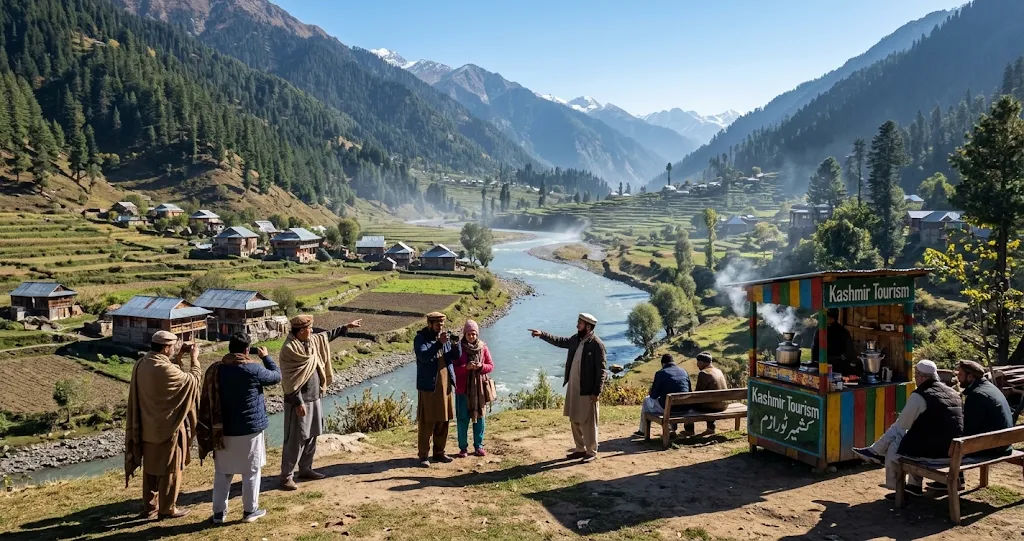 Today, digital platforms make it easier to explore this heritage and discover stories that might otherwise receive less attention.
Vibes of Kashmir is one such platform that provides information about the region's news, tourism, lifestyle, and cultural heritage. It has a dedicated Kashmiri culture section featuring articles about traditional dishes, historical customs, handicrafts, and other aspects of local identity. This makes the website useful for readers who want to understand more about Kashmir beyond its natural attractions. Its cultural content introduces different traditions and explains why they remain meaningful to local communities.
For people living outside the region, these articles can provide an introduction to Kashmiri life. For local readers, they can offer opportunities to reconnect with familiar customs and explore their historical importance.
Cultural Coverage of Vibes of Kashmir
Cultural coverage is an important part of regional journalism because it helps preserve knowledge about communities, traditions, and historical experiences. A news platform that discusses culture gives readers more than daily headlines. It introduces them to the customs, values, and creative traditions that shape a region's identity.
Vibes of Kashmir recognizes this importance by including a separate category dedicated to Kashmiri culture. Readers can explore articles about food, traditional objects, clothing, arts, music, and heritage.
The platform also connects cultural topics with everyday life. Instead of presenting Kashmir only as a tourist destination, its content introduces readers to the traditions that make the region distinctive.
Its coverage is particularly useful for people interested in learning about Azad Jammu and Kashmir and the wider region.
1. Traditional Kashmiri Food and Cuisine
Food is one of the strongest expressions of cultural identity. Traditional recipes often carry family memories, local ingredients, cooking methods, and customs passed from one generation to another.
Vibes of Kashmir publishes articles about traditional Kashmiri dishes and their cultural importance.
Exploring Traditional Dishes
One example is its coverage of Pothi Chawal, a traditional Azad Kashmiri food associated with rajma and rice. The dish represents familiar home cooking and demonstrates how regional ingredients contribute to local food traditions.
Another example is Kashmiri Kulcha, which has an important place in traditional breakfast and tea-time culture. Articles about this bread help readers understand its connection with everyday eating habits and local bakeries.
The website also explores Kashmiri Wazwan, a traditional multi-course feast associated with celebrations and hospitality.
These topics introduce readers to different food traditions and explain why certain dishes remain important to families and communities.
Kashmiri Tea Traditions
Tea is another important part of Kashmiri hospitality. Traditional beverages are often served when welcoming guests, meeting relatives, or enjoying time with friends.
The website discusses Kashmiri Pink Tea, commonly known as Noon Chai, and its distinctive preparation and cultural background.
It also features the traditional Kashmiri samovar, an important vessel associated with preparing and serving tea.
These articles show that Kashmiri food culture is not simply about recipes. It also reflects hospitality, social relationships, and traditional ways of bringing people together.
2. Traditional Clothing and Lifestyle
Clothing provides another interesting way to understand a community's history and environment. Traditional garments often reflect local weather conditions, available materials, cultural preferences, and historical influences.
Kashmir has distinctive clothing traditions that remain recognizable today.
Traditional Clothing
Traditional Kashmiri clothing includes garments associated with different seasons and community customs. The pheran, for example, is widely recognized as a traditional garment worn during colder weather.
Articles discussing traditional clothing can help readers understand how people adapted their lifestyles to the region's changing seasons.
They also introduce younger audiences to clothing traditions that have been maintained across generations.
Connecting Clothing With Everyday Life
Traditional clothing is more than a historical subject. It can represent family identity, cultural pride, and regional craftsmanship.
Learning about these garments helps readers appreciate the relationship between practical clothing choices and cultural heritage.
Through its cultural category, Vibes of Kashmir provides an opportunity to explore such subjects alongside other aspects of local lifestyle.
3. Kashmiri Arts and Handicrafts
Kashmir has a long-standing reputation for its handmade crafts and artistic traditions. Local artisans have developed distinctive techniques that require creativity, patience, and considerable skill.
Handicrafts are important because they preserve traditional knowledge while supporting local livelihoods.
Traditional Papier-Mache Art
Papier-mache is one of Kashmir's recognizable artistic traditions. It involves creating decorative objects and applying detailed painted designs.
These products may include boxes, ornaments, decorative containers, and other handmade items.
The artistic patterns often demonstrate the attention to detail associated with traditional Kashmiri craftsmanship.
Readers interested in handmade products can learn about the techniques, history, and cultural value of these crafts.
Carpets and Textile Traditions
Kashmiri carpets are also associated with traditional artistic excellence. Their intricate patterns and detailed weaving techniques reflect generations of craftsmanship.
Traditional shawls, embroidery, and other textiles are equally important to the region's cultural identity.
Articles about these subjects can help readers understand why handmade products are valued and how traditional skills contribute to the local economy.
Vibes of Kashmir includes handicrafts and artistic heritage among the subjects explored through its cultural coverage.
4. Music, Dance, and Cultural Expression
Music and dance are important elements of Kashmiri cultural identity. They provide ways for people to celebrate special occasions, express emotions, share stories, and maintain connections with their history.
Traditional performances often reflect the experiences and values of local communities.
Traditional Music
Kashmiri music includes different forms of folk and classical expression. Traditional instruments, vocal performances, and regional styles contribute to its distinctive character.
Music can also preserve historical stories and cultural ideas that have been shared across generations.
Articles about traditional music help readers recognize the importance of these artistic practices.
Dance and Community Celebrations
Traditional dances are another important part of cultural life. They may appear during weddings, festivals, and community celebrations.
Learning about these performances helps readers understand how artistic expression connects people and strengthens cultural relationships.
Cultural platforms can make these subjects more accessible by presenting background information in simple and understandable language.
5. Festivals and Religious Traditions
Festivals are meaningful occasions that bring families and communities together. They provide opportunities to celebrate important events, maintain customs, and pass cultural knowledge to younger generations.
Kashmir has diverse religious and community traditions that contribute to its cultural identity.
Celebrating Traditional Occasions
Festivals and celebrations may involve special meals, traditional clothing, family gatherings, music, and community activities.
The customs associated with these occasions can vary between communities and locations.
Understanding these differences is important because Kashmiri culture is not limited to one single tradition or experience.
Respecting Cultural Diversity
Kashmir has a diverse cultural history shaped by different religious, linguistic, and social communities.
Responsible cultural coverage should recognize this diversity rather than presenting every community as having identical customs.
Vibes of Kashmir provides a starting point for exploring regional heritage through its published cultural articles. Readers can use these resources to become familiar with different subjects and explore additional sources for a deeper understanding.
6. Kashmiri History and Famous Personalities
History helps explain how communities developed their identities, traditions, and institutions. Important historical personalities also influence how people understand their region's past.
Kashmir has many notable figures whose contributions are connected with education, literature, public life, and regional history.
Learning About Important Historical Figures
The platform includes biographies and articles about well-known personalities from Azad Kashmir.
For example, its cultural coverage includes subjects such as Chaudhary Ghulam Abbas and K. H. Khurshid.
These articles introduce readers to individuals who played important roles in regional history and public affairs.
Biographical content can make historical information easier to understand, particularly for students and readers who are beginning to explore the subject.
Historical Places
Historical buildings, monuments, forts, and traditional settlements also contribute to regional identity.
Articles about places such as Ramkot Fort and the old settlements of Mirpur provide opportunities to explore the historical connections between people and their surroundings.
Such topics demonstrate how cultural heritage includes both living traditions and physical historical locations.
7. Tourism and Cultural Heritage
Tourism and culture are closely connected because visiting a place involves more than viewing its natural scenery.
Travelers often want to understand local food, traditional markets, historical locations, handicrafts, and community lifestyles.
Vibes of Kashmir combines tourism-related information with cultural subjects, giving readers opportunities to discover different aspects of the region.
Discovering Local Traditions Through Travel
Visitors exploring Kashmir may encounter traditional bakeries, local markets, historical buildings, and handmade products.
Learning about these subjects before traveling can make their experiences more meaningful.
For example, understanding the importance of traditional tea culture can help visitors appreciate the hospitality associated with local gatherings.
Similarly, learning about handicrafts can provide insight into the skills and creativity of local artisans.
Exploring Azad Jammu and Kashmir
The website also focuses on destinations and communities across Azad Jammu and Kashmir.
Its travel-related content introduces readers to different locations, historical attractions, and regional experiences.
This connection between tourism and cultural heritage helps readers understand that the region's appeal is not limited to beautiful scenery.
8. Why Cultural Coverage Matters for Younger Generations
Cultural knowledge becomes more valuable when it is shared with younger generations.
Many traditional customs are learned through family interactions, community gatherings, local celebrations, and everyday experiences.
However, modern lifestyles and changing communication habits can sometimes reduce opportunities for younger people to learn about older traditions.
Digital platforms provide another way to introduce this knowledge.
Making Heritage Accessible Online
Online articles allow readers to explore cultural subjects whenever they have access to the internet.
Students can learn about traditional dishes, historical personalities, artistic techniques, and local customs without needing to visit a library or travel to the region.
This accessibility can encourage curiosity and further research.
Encouraging Cultural Appreciation
Reading about traditional crafts and community customs can help younger audiences understand the importance of preserving cultural knowledge.
It may also encourage interest in local languages, traditional recipes, and family histories.
Vibes of Kashmir contributes to this process by publishing accessible articles about different aspects of regional heritage.
9. Is Vibes of Kashmir Useful for Learning About Kashmiri Culture?
The usefulness of a cultural website depends on the quality, accuracy, variety, and depth of its content.
A dedicated cultural section is a positive feature because it makes relevant information easier to find.
Vibes of Kashmir provides several types of cultural articles, including food guides, heritage features, traditional crafts, and historical biographies.
Benefits for General Readers
People who are unfamiliar with Kashmiri traditions can use the website as an introduction to different subjects.
Its articles can help readers discover traditional foods, understand the importance of cultural objects, and identify topics worth exploring further.
The content also provides a connection between cultural heritage and contemporary regional life.
Benefits for Students and Researchers
Students can use cultural articles as starting points when researching regional traditions or preparing general assignments.
However, readers should consult books, academic research, historical records, and other reliable sources when they need detailed historical or scholarly information.
A single website should not be treated as the complete authority on every aspect of Kashmiri history and culture.
10. How to Explore the Cultural Section Effectively
Readers can make their experience more useful by exploring the website according to their interests.
The dedicated cultural category provides a convenient starting point.
Here are some practical ways to explore its content.
Start with food and hospitality: Read about traditional dishes, tea, and the samovar to understand everyday cultural practices.
Explore traditional crafts: Discover papier-mache, carpets, textiles, and other handmade products.
Learn about historical personalities: Explore biographies to understand important contributions to regional history.
Read about cultural traditions: Look for articles covering clothing, festivals, music, and community customs.
Explore related tourism content: Learn about historical locations and destinations connected with regional heritage.
Compare information: Use additional trustworthy sources to verify historical details and understand different cultural perspectives.
Following these steps can help readers develop a broader understanding of the region instead of focusing on only one cultural subject.
11. The Importance of Accurate and Balanced Cultural Reporting
Cultural reporting requires attention to historical accuracy and respect for community differences.
Traditions can change over time, and practices that are common in one area may be different in another.
Therefore, cultural articles should avoid presenting regional customs as universal experiences.
Recognizing Regional Differences
Kashmir includes communities with different languages, traditions, and historical experiences.
A balanced discussion should recognize these differences and explain the context behind particular practices.
This makes cultural information more useful and respectful.
Preserving Authentic Stories
Articles about traditional crafts, food, and historical events become more meaningful when they include reliable background information.
Conversations with local artisans, historians, community members, and cultural researchers can also strengthen the quality of cultural reporting.
Readers should consider these factors when evaluating information from any online publication.
Vibes of Kashmir offers a useful collection of introductory cultural material, while further research can provide additional context and perspectives.
12. How Cultural Content Connects Local and International Readers
Digital publishing allows regional stories to reach audiences far beyond their original communities.
People living abroad may want to maintain connections with their cultural backgrounds, while international readers may simply be curious about Kashmir.
Online cultural articles can help both groups discover regional traditions.
Connecting Overseas Kashmiris With Their Heritage
People living outside Kashmir may find it difficult to remain connected with certain local customs.
Reading about traditional food, crafts, and historical personalities can help them maintain an interest in their cultural background.
It can also encourage conversations between younger and older family members.
Introducing International Audiences to Kashmir
International readers may know Kashmir mainly through travel photography and geographical descriptions.
Cultural articles provide a broader perspective by introducing everyday traditions, local creativity, and historical experiences.
This helps create a more complete picture of the region and its people.
Vibes of Kashmir can serve as an accessible introduction for these audiences through its combination of cultural, tourism, and regional news content.
Conclusion
Yes, Vibes of Kashmir covers Kashmiri culture through a dedicated section that explores traditional food, clothing, handicrafts, music, history, and other elements of regional heritage. Its published articles about Kashmiri samovars, Pothi Chawal, traditional kulcha, pink tea, papier-mache art, carpets, and historical personalities demonstrate its interest in preserving and sharing cultural knowledge.
The platform provides readers with an opportunity to discover the traditions that contribute to Kashmir's unique identity. Its content is relevant to local residents, students, people living abroad, and anyone interested in understanding the region beyond its natural beauty.
Another important aspect of this coverage is its connection between traditional heritage and modern digital publishing. By making cultural information available online, the website creates opportunities for younger audiences to explore their roots and for international readers to learn about local customs.
However, readers should remember that Kashmir has a diverse and complex cultural history. Exploring different communities, historical perspectives, and reliable research sources is important for developing a complete understanding of its heritage.
Overall, Vibes of Kashmir is a useful starting point for discovering Kashmiri culture. Its dedicated cultural category and variety of heritage-related articles make it a relevant online resource for anyone interested in traditional food, artistic craftsmanship, historical personalities, and regional lifestyles.