Employee health is an important part of a successful workplace. When employees feel physically fit, mentally balanced, and emotionally supported, they are more likely to perform their duties effectively. However, long working hours, work-related stress, poor eating habits, and limited physical activity can negatively affect their well-being. Businesses need practical ways to help employees maintain healthier lifestyles while meeting professional responsibilities. 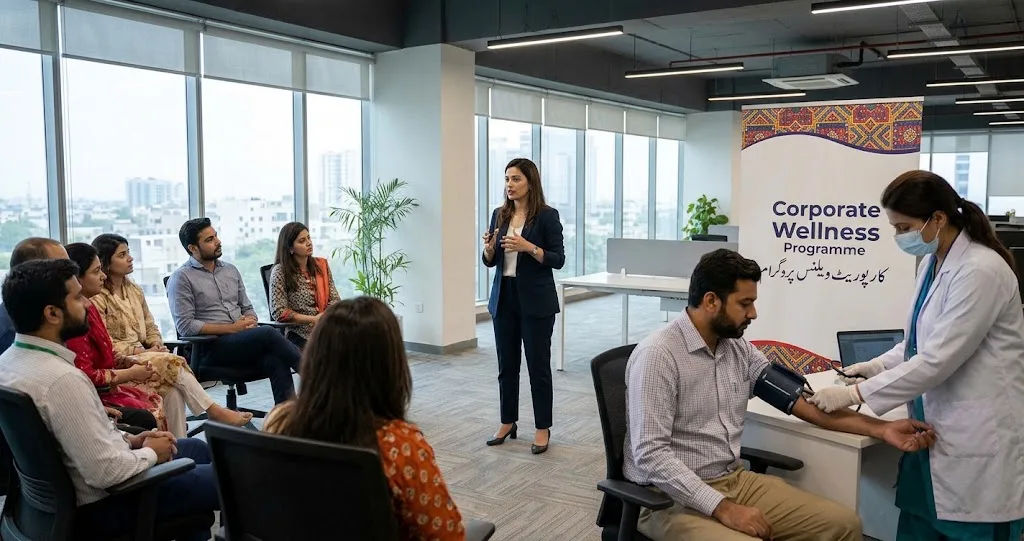 A corporate wellness programme Pakistan provides an organized approach to improving employee health through preventive healthcare, fitness activities, mental health support, nutrition education, and workplace health initiatives. These programmes help organizations recognize health risks early and encourage employees to make better lifestyle choices. They can also create a supportive environment where workers feel valued and motivated.
Understanding how workplace wellness initiatives support health allows employers to make informed decisions about employee care. Whether a company has a small team or hundreds of employees, a well-planned wellness strategy can promote healthier habits, improve workplace morale, and contribute to long-term organizational success.
Corporate Wellness Programmes
A corporate wellness programme is a structured initiative designed to improve employees' physical, mental, and emotional well-being. It may include health screenings, exercise sessions, nutrition guidance, stress management workshops, and access to healthcare professionals.
The purpose is not simply to encourage employees to exercise. It is to address the different factors that influence health throughout the working day.
For example, an employee who spends eight or more hours sitting at a desk may experience back discomfort, weight gain, or reduced physical fitness. Another employee may experience stress because of demanding deadlines or difficulty balancing personal and professional responsibilities.
A workplace wellness initiative can address these concerns through practical support, education, and preventive care.
Why Workplace Wellness Matters in Pakistan
Workplace health is important in Pakistan because employees often face a combination of professional, lifestyle, and environmental challenges. Long commutes, extended screen time, limited opportunities for exercise, and irregular meal schedules can make healthy living difficult.
Some employees may also delay medical checkups because of busy schedules, financial concerns, or limited awareness of preventive healthcare.
A well-designed wellness initiative can make basic health services more accessible. It can also help employees understand the importance of regular screenings, healthy eating, physical activity, and emotional well-being.
Companies can adapt their programmes to their workforce, available resources, workplace culture, and local healthcare needs.
Who Can Benefit From These Programmes?
Employees across different industries can benefit from workplace wellness initiatives. These include office workers, teachers, healthcare professionals, factory employees, customer service representatives, and remote workers.
The specific benefits depend on the activities offered and the needs of the workforce.
For example, office employees may need ergonomic support and movement breaks, while factory workers may benefit from occupational safety education, hydration facilities, and physical health assessments.
A corporate wellness programme Pakistan should therefore consider the working conditions, age groups, health concerns, and preferences of participating employees.
1. Supporting Physical Health Through Preventive Care
Preventive healthcare is one of the most important ways workplace wellness programmes support employee health. Instead of waiting until a health problem becomes serious, employees are encouraged to identify potential risks and seek appropriate medical advice early.
Companies can arrange health assessments, provide educational resources, and connect employees with qualified healthcare professionals.
Regular Health Screenings
Health screenings help identify possible health concerns before noticeable symptoms appear. Depending on an employee's age, medical history, and individual risk factors, screenings may include blood pressure measurements, blood glucose testing, cholesterol assessments, and weight-related evaluations.
These checks can help employees understand their current health status and recognize when professional follow-up is necessary.
For instance, an employee with elevated blood pressure may feel completely normal. A screening can reveal the concern and encourage the employee to consult a healthcare professional.
Screening results should remain confidential and be handled by authorized healthcare providers. Employers should receive only appropriate, aggregated information when evaluating overall programme outcomes.
Early Identification of Health Risks
Early identification allows employees to take action before certain conditions become more difficult to manage.
A workplace wellness initiative may provide information about the warning signs of diabetes, cardiovascular disease, and other common health conditions. It can also explain why routine medical appointments matter, even when a person feels healthy.
However, wellness assessments do not replace a medical diagnosis. Employees who receive abnormal results should be directed to qualified healthcare professionals for further evaluation.
Encouraging Routine Medical Checkups
Busy employees sometimes postpone medical appointments because they struggle to find time during working hours.
Employers can make preventive care easier by organizing health awareness days, offering flexible appointment arrangements, or sharing information about accessible medical services.
These measures reduce practical barriers and help employees make healthcare a regular part of their lives.
2. Improving Mental Health and Emotional Well-Being
Physical health is only one part of employee wellness. Mental and emotional health also influence concentration, relationships, decision-making, and job satisfaction.
Work-related pressure can develop when employees face unrealistic deadlines, unclear expectations, workplace conflict, or insufficient rest. If these challenges continue without support, they may contribute to anxiety, exhaustion, and burnout.
Managing Workplace Stress
A corporate wellness programme Pakistan can help employees recognize stress and develop healthier ways to manage it.
Companies may offer stress management workshops, relaxation exercises, guided breathing sessions, and practical training on workload management.
Employees can learn to identify their personal stress triggers and use suitable coping strategies. For example, taking short breaks between demanding tasks may help reduce mental fatigue, while planning daily priorities can make workloads feel more manageable.
However, stress management should not become a substitute for addressing unreasonable workloads, poor management, or unsafe working conditions.
Employers must also examine the workplace factors that contribute to stress.
Providing Mental Health Resources
Mental health support can include confidential counselling, employee assistance services, referrals to qualified psychologists, and educational sessions about emotional well-being.
These resources give employees opportunities to discuss personal or professional difficulties with trained professionals.
Confidentiality is essential. Employees should understand how their information will be handled and who, if anyone, can access it.
Organizations should also create a workplace culture where asking for support is treated as a responsible step rather than a sign of weakness.
Reducing Burnout
Burnout can develop when prolonged workplace stress is not effectively managed. Employees experiencing burnout may feel emotionally exhausted, detached from their work, or less capable of completing everyday responsibilities.
Wellness initiatives can help reduce contributing pressures by encouraging reasonable workloads, adequate rest, supportive supervision, and a healthier balance between work and personal life.
Managers should also recognize the importance of realistic deadlines and sufficient staffing.
A healthy workplace does not expect employees to remain productive every minute. It recognizes that rest, recovery, and sustainable working practices support long-term performance.
3. Promoting Better Nutrition and Healthy Eating
Nutrition has a direct relationship with energy levels, concentration, and general physical health. Employees who regularly skip meals or depend heavily on highly processed foods may struggle to maintain consistent energy throughout the day.
Workplace wellness initiatives can help employees make informed food choices without imposing unrealistic dietary restrictions.
Nutrition Education
Nutrition workshops can explain the importance of balanced meals, portion awareness, adequate protein, fiber, vitamins, and minerals.
Employees can learn how to build meals using locally available foods, including vegetables, fruits, whole grains, lentils, beans, eggs, and other suitable protein sources.
These recommendations can be adapted to different household budgets, cultural preferences, and dietary requirements.
For example, employees do not necessarily need expensive imported foods to eat well. Simple meals prepared with accessible ingredients can provide valuable nutrients when planned appropriately.
Healthier Workplace Food Options
Employers can support healthy eating by providing clean drinking water and making nutritious food options available in workplace cafeterias or vending areas.
They may also encourage employees to bring balanced lunches from home when this is practical.
The goal is to make healthier choices convenient rather than criticize employees for their existing habits.
Supporting Healthy Weight Management
A balanced diet combined with regular physical activity can help employees maintain a healthy weight and reduce certain health risks.
Wellness programmes should avoid unrealistic weight-loss targets, body shaming, or public weigh-ins. Instead, they should focus on sustainable habits, personal goals, and overall health.
Employees with medical conditions or specialized nutritional needs should have access to qualified healthcare professionals or registered dietitians where available.
4. Encouraging Regular Physical Activity
Modern workplaces often involve long periods of sitting, particularly in offices and remote working environments. Limited movement can contribute to reduced fitness, muscle discomfort, and other health concerns.
A workplace wellness initiative can make regular movement easier to incorporate into everyday routines.
Workplace Exercise Opportunities
Companies may organize walking groups, stretching sessions, fitness challenges, or access to suitable exercise facilities.
Employees do not always need a gym membership or an intensive workout to become more active. Short movement breaks and regular walks can be useful starting points for people who spend much of their day sitting.
Activities should accommodate different fitness levels and physical abilities.
Participation should be voluntary, with alternatives available for employees who cannot perform particular exercises.
Reducing Sedentary Behaviour
Long periods of uninterrupted sitting can be reduced through simple workplace adjustments.
Employees may be encouraged to stand briefly between tasks, stretch during breaks, or walk during suitable meetings. Adjustable desks and workstation changes may also help where resources permit.
A corporate wellness programme Pakistan can incorporate these practices into normal work routines without significantly disrupting productivity.
The objective is to make movement a regular habit rather than an occasional workplace event.
Improving Mobility and Physical Comfort
Stretching, ergonomic education, and appropriate workstation arrangements can help employees manage common discomfort associated with prolonged computer use.
Workers should receive guidance on chair height, screen position, keyboard placement, and posture variation.
People experiencing persistent pain should seek appropriate medical assessment instead of relying entirely on workplace exercises.
5. Supporting Better Sleep and Work-Life Balance
Sleep is essential for physical recovery, memory, concentration, and emotional regulation. Employees who regularly sleep too little may experience fatigue, irritability, reduced attention, and difficulty making decisions.
Workplace policies can either support healthy sleep or make it more difficult.
Promoting Healthy Sleep Habits
Wellness education can explain the importance of consistent sleep schedules, a comfortable sleeping environment, and limiting stimulating activities close to bedtime.
Employees who work late shifts may need additional guidance because their schedules can interfere with normal sleep patterns.
Employers can support these workers through appropriate shift planning, adequate recovery periods, and access to relevant health resources.
Encouraging Work-Life Balance
Work-life balance becomes difficult when employees regularly work beyond scheduled hours or remain available for work communications during personal time.
Companies can establish reasonable expectations for after-hours communication, provide predictable schedules, and encourage employees to use their leave entitlements.
Managers should also avoid treating excessive overtime as a normal measure of commitment.
A sustainable work environment allows employees to meet professional responsibilities while maintaining time for family, rest, recreation, and personal healthcare.
6. Improving Workplace Safety and Ergonomics
Employee health also depends on the physical environment in which people work.
Poor lighting, uncomfortable seating, unsafe equipment, excessive noise, and inadequate ventilation can create health risks. In industrial environments, employees may face additional hazards related to machinery, chemicals, heat, or repetitive physical tasks.
Creating Ergonomic Workstations
Ergonomics involves arranging workspaces and tasks to suit the people performing them.
Office employees may benefit from chairs that provide suitable support, monitors positioned at comfortable viewing heights, and keyboards arranged to reduce unnecessary strain.
Employers can also provide training on safe lifting, appropriate workstation adjustments, and movement during repetitive tasks.
These measures may improve comfort and help reduce preventable workplace discomfort.
Strengthening Occupational Health and Safety
A wellness strategy should complement formal workplace safety procedures.
Organizations should assess hazards, maintain equipment, provide appropriate protective equipment, and train workers in safe practices.
For example, employees exposed to heat may require adequate drinking water, rest breaks, ventilation, and procedures for responding to heat-related illness.
Workplace wellness cannot replace legal safety requirements or professional occupational health services. It should support a broader commitment to protecting workers.
7. Building Health Awareness and Better Daily Habits
Health education helps employees understand how everyday decisions affect long-term well-being.
Even when healthcare services are available, employees may not know which habits are beneficial or when they should seek medical attention.
Organizing Health Awareness Sessions
Employers can arrange educational sessions on topics such as diabetes prevention, heart health, hygiene, hydration, tobacco cessation, and the importance of regular medical care.
Information should be practical, understandable, and relevant to employees' circumstances.
For example, a session on cardiovascular health might explain how physical activity, smoking cessation, balanced nutrition, and appropriate medical care can help reduce certain risk factors.
Employees should receive reliable information rather than exaggerated promises or unsupported medical claims.
Encouraging Sustainable Lifestyle Changes
Small, consistent changes are often easier to maintain than major lifestyle changes introduced all at once.
An employee might begin by walking for a few minutes during lunch, replacing sugary drinks with water more often, or preparing balanced meals at home.
Over time, these habits may contribute to improved well-being.
A supportive wellness initiative recognizes progress without creating unnecessary competition or pressure.
8. How Employers Can Implement an Effective Wellness Strategy
A successful programme requires planning, employee participation, suitable resources, and regular evaluation.
Organizations should not assume that the same activities will work equally well for every workforce.
Assess Employee Needs
The first step is to understand the main health concerns and workplace challenges employees experience.
Employers can use voluntary surveys, anonymous feedback, occupational risk assessments, and appropriately managed health data to identify priorities.
Surveys should avoid collecting unnecessary sensitive information. Employees should know why information is requested and how it will be protected.
Set Clear and Realistic Goals
After identifying employee needs, organizations can establish measurable objectives.
Examples include increasing participation in preventive screenings, improving access to counselling, providing ergonomic assessments, or increasing attendance at health education sessions.
Goals should focus on meaningful improvements rather than promising that every employee will achieve a particular medical outcome.
Offer Inclusive Activities
A corporate wellness programme Pakistan should be accessible to employees with different abilities, work schedules, income levels, and cultural preferences.
Companies with limited budgets can begin with practical measures such as health education, movement breaks, clean drinking water, and clear guidance on available healthcare services.
Larger organizations may be able to provide professional counselling, onsite assessments, or partnerships with healthcare providers.
Remote and hybrid employees should also be considered when selecting activities.
Protect Employee Privacy
Health information is sensitive, so privacy must be central to programme design.
Individual medical results should not be shared with managers or colleagues without appropriate authorization and a lawful basis.
Employers should establish clear data-handling procedures, limit access to necessary personnel, and explain how records are stored and used.
Participation in nonessential wellness activities should generally be voluntary. Employees should not face discrimination because of their health status, disability, or decision not to participate.
Evaluate Results and Improve the Programme
Regular evaluation helps organizations understand which activities are useful and which need improvement.
Possible measures include participation rates, employee satisfaction, access to preventive services, reported workplace comfort, and feedback about stress management resources.
Health outcomes may also be assessed through appropriately designed, confidential processes.
Employers should interpret results carefully because changes in health and absenteeism can be influenced by many factors beyond a wellness programme.
Employee feedback should guide adjustments so the initiative remains practical and relevant.
9. The Benefits of Corporate Wellness for Employees and Organizations
A well-designed wellness strategy can benefit employees while helping organizations create a healthier working environment.
Better Employee Well-Being
Access to preventive care, health education, physical activity opportunities, and mental health resources can help employees make informed decisions about their well-being.
These benefits are most meaningful when programmes respond to real needs and provide continued support.
Improved Morale and Workplace Relationships
Employees may feel more valued when their employer demonstrates genuine concern for their health and safety.
Supportive policies can strengthen trust, encourage communication, and contribute to a more positive workplace culture.
However, wellness activities alone cannot compensate for unfair treatment, poor management, or excessive workloads.
Potential Improvements in Attendance and Productivity
Healthier working conditions and better access to care may help reduce some preventable health-related absences and improve employees' ability to concentrate.
The extent of these improvements varies according to programme quality, workforce needs, and other organizational factors.
Companies should therefore view wellness as a long-term investment in employee support rather than a guaranteed way to reduce costs immediately.
Stronger Employee Retention
Employees may be more inclined to remain with organizations that offer respectful working conditions, fair policies, and meaningful support.
Wellness initiatives can contribute to that experience when they form part of a broader commitment to employee welfare.
Retention also depends on compensation, career development, leadership, job security, and opportunities for professional growth.
Conclusion
A healthy workforce is an important foundation for a productive, supportive, and sustainable organization. Employees need more than salaries and professional opportunities to maintain their well-being. They also need access to preventive healthcare, mental health resources, balanced nutrition, physical activity, safe working conditions, and sufficient time to recover from daily responsibilities.
A corporate wellness programme Pakistan can support these needs by bringing practical health initiatives into the workplace. Through regular screenings, stress management resources, nutrition education, exercise opportunities, ergonomic improvements, and better work-life balance, organizations can help employees develop healthier habits and recognize potential health concerns earlier.
The effectiveness of these initiatives depends on how carefully they are designed and implemented. Employers should begin by understanding their employees' needs, setting realistic goals, providing inclusive activities, and protecting confidential health information. They should also evaluate results regularly and improve the programme in response to employee feedback.
It is equally important to recognize that wellness is a shared responsibility. Employees can take steps to improve their daily habits, but employers must provide safe conditions, reasonable workloads, fair treatment, and access to appropriate support. Neither health education nor individual lifestyle changes can fully overcome an unhealthy working environment.
For organizations in Pakistan, investing in employee well-being can help establish a workplace culture that values people as much as performance. When health initiatives are practical, respectful, and consistent, they can support physical fitness, emotional resilience, and better everyday choices.
Ultimately, workplace wellness should not be treated as a temporary campaign or a collection of occasional activities. It should be an ongoing commitment to helping employees remain healthy, feel supported, and perform their responsibilities in a sustainable way.