Velvet is one of the most elegant fabrics for traditional Pakistani clothing. Its soft texture, rich appearance, and luxurious feel make it a popular choice for weddings, engagement ceremonies, formal dinners, and winter celebrations. However, choosing the right dupatta is just as important as selecting the dress itself. The right combination can make an outfit look graceful, balanced, and beautifully coordinated. 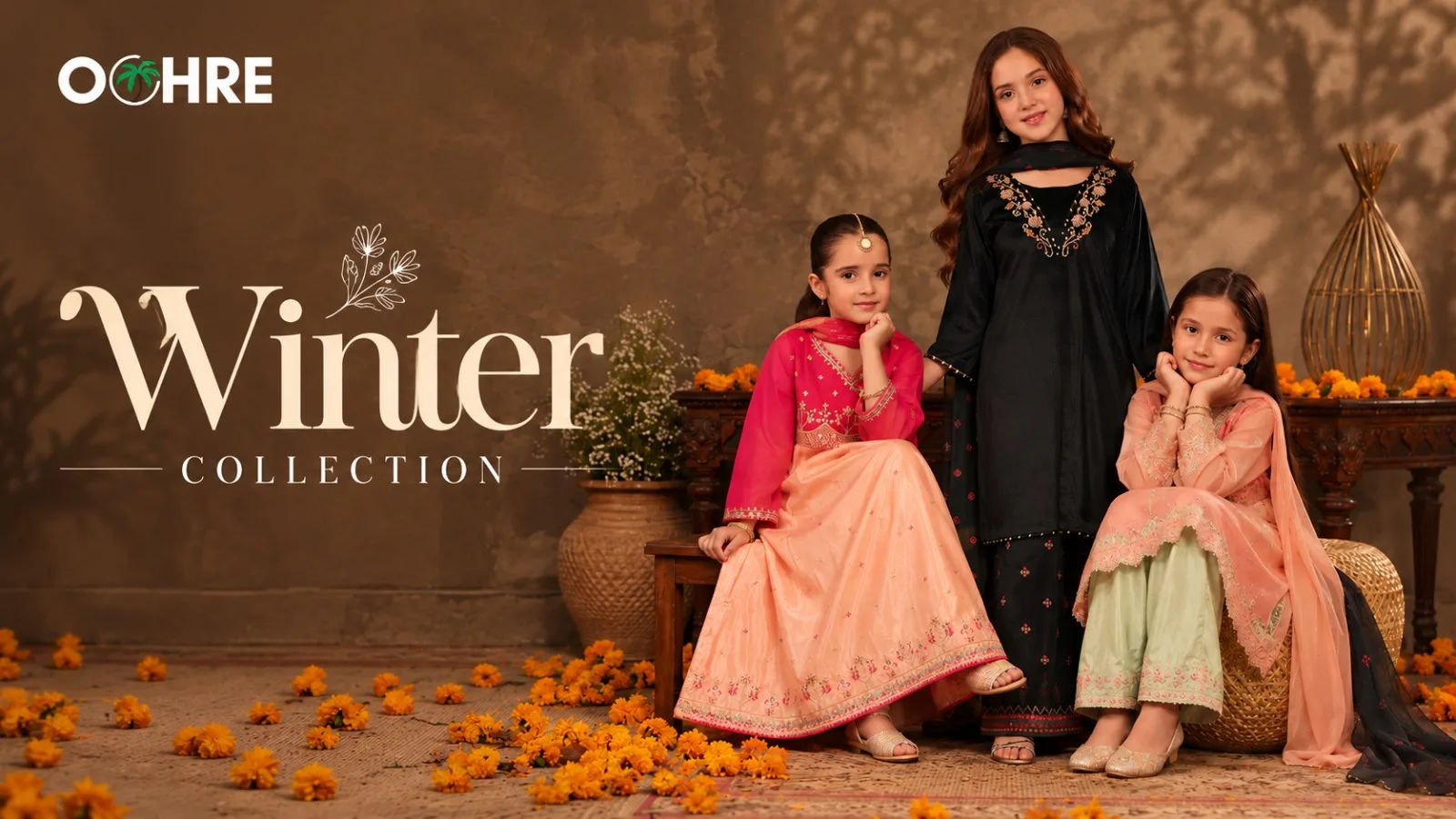 When styling velvet outfits, the dupatta adds color, movement, and personality. Some women prefer lightweight chiffon, while others choose organza, net, silk, or heavily embroidered fabrics to create a traditional look. The best choice depends on the dress color, embroidery, occasion, and personal style. Understanding these details helps you make the most of velvet dresses designs in pakistan without making your outfit look too heavy or overly decorated.
Pakistan has a rich tradition of formal and festive clothing, where dupattas are used to complete an outfit and express individual taste. Whether you are attending a winter wedding in Lahore, celebrating Eid with family, or preparing for a formal event in Karachi, selecting a suitable dupatta can transform your velvet dress into a sophisticated ensemble.
Why Is the Dupatta Important With Velvet Dresses?
A dupatta is more than a simple piece of fabric. It completes the traditional silhouette, creates visual balance, and can change the overall appearance of an outfit.
velvet dresses designs in pakistan naturally has a dense texture and a slight shine. Depending on its color and finish, it can look bold, royal, or understated. Pairing it with the right dupatta ensures that the different elements of the outfit work together.
For example, a plain velvet suit can look festive with an embroidered organza dupatta. Similarly, a heavily embellished velvet dress may look more refined with a simple chiffon dupatta.
The goal is to create harmony between the dress and the dupatta rather than allowing one piece to overpower the other.
Balance Fabric Weight
Velvet is generally heavier than chiffon, net, and lightweight organza. A lighter dupatta can provide contrast and make the complete outfit feel less bulky.
For winter events, this combination is especially useful because velvet already provides warmth and structure.
Complement the Dress Color
A dupatta can match the dress exactly, introduce a complementary shade, or create contrast. Each approach produces a different effect.
Matching colors offer a coordinated appearance, while contrasting colors can make a traditional outfit more interesting.
Enhance Embroidery and Details
Velvet dresses often feature zari work, sequins, beads, thread embroidery, or decorative borders. A suitable dupatta should highlight these details instead of competing with them.
If the dress has extensive embroidery, choose a simpler dupatta. If the dress is plain, an embellished dupatta can become the main decorative feature.
Best Dupatta Fabrics for Velvet Dresses
Different fabrics create different styles. Before choosing a particular design, consider how the dupatta will fall over the shoulders, frame the face, and complement the velvet.
1. Chiffon Dupattas for an Elegant Look
Chiffon is one of the most versatile choices for velvet dresses. Its lightweight texture creates a soft contrast with the dense surface of velvet.
It drapes naturally and is comfortable to wear for several hours. Chiffon also works well with embroidered suits because it allows the dress to remain the main focus.
Choose a chiffon dupatta for:
-
Plain velvet suits with decorative necklines.
-
Embroidered shirts with simple trousers.
-
Semi-formal dinners and family gatherings.
-
Winter events where a lighter finishing layer is preferred.
For example, a maroon velvet suit paired with a matching chiffon dupatta creates a classic appearance. A navy velvet dress with a silver-grey chiffon dupatta offers a cooler, more contemporary combination.
Chiffon is particularly suitable when you want a graceful outfit without excessive volume.
2. Organza Dupattas for Formal Occasions
Organza is an excellent choice for weddings, engagement parties, and formal celebrations. Its slightly structured appearance gives a dupatta a crisp finish while maintaining a lightweight feel.
An organza dupatta can make a plain velvet suit look more luxurious, particularly when it features delicate embroidery, scalloped edges, or a decorative border.
For an elegant combination, consider a bottle-green velvet dress with a gold-bordered organza dupatta. Similarly, a black velvet suit with a black organza dupatta featuring subtle silver embroidery can look sophisticated for an evening event.
Organza is best suited to outfits that need a polished, formal appearance. However, heavily embroidered organza may feel too decorative when paired with a velvet dress that already features extensive embellishment.
3. Net Dupattas for Bridal and Party Wear
Net dupattas are popular for festive outfits because they can carry embroidery, sequins, pearls, and decorative borders without adding the weight of a thick fabric.
They are particularly suitable for bridal-inspired dresses and formal velvet suits.
A net dupatta with a fine gold border can complement a deep-red velvet outfit. A blush-pink net dupatta can soften the appearance of a darker dress, while a black net dupatta with delicate embellishment can create a dramatic evening look.
When selecting net, pay attention to its quality and texture. Softer net fabrics generally drape more comfortably, while stiff varieties may require careful arrangement.
For weddings, a net dupatta with a decorative border can frame the face beautifully. For simpler gatherings, choose a lightly embroidered version to maintain an understated appearance.
4. Silk Dupattas for a Traditional Appearance
Silk dupattas are ideal for women who prefer traditional Pakistani styling. Their smooth finish and rich colors complement the depth of velvet.
Depending on the type of silk, the dupatta may have a soft drape or a more structured appearance. Silk blends and traditional woven fabrics can also introduce patterns that add character to a plain velvet suit.
A deep-purple velvet dress paired with a gold silk dupatta creates a festive combination. Similarly, a plain black velvet outfit can be complemented by a jewel-toned silk dupatta featuring traditional motifs.
Silk is particularly suitable for winter weddings, family celebrations, and formal cultural events.
However, consider the combined weight of the dress and dupatta. A thick velvet outfit paired with a heavy silk dupatta may become uncomfortable if you need to wear it for an extended period.
5. Embroidered Dupattas for Simple Velvet Suits
An embroidered dupatta can turn a basic velvet suit into an eye-catching formal outfit.
This option works especially well when the dress has minimal embellishment. Floral threadwork, zari borders, mirror work, and delicate sequins can add detail without requiring a heavily decorated shirt.
For example, a plain emerald-green velvet suit can be paired with an ivory dupatta featuring gold embroidery. A navy outfit can look striking with a silver-work dupatta.
Keep the embroidery proportionate to the dress. If the velvet shirt already has a decorated neckline, embroidered sleeves, and an embellished hem, a simpler dupatta will often create a more balanced result.
Which Dupatta Colors Look Best With Velvet?
Color coordination plays a major role in styling traditional clothing. Velvet usually looks particularly rich in deep shades, making it easy to create elegant combinations with complementary or contrasting colors.
Matching Colors for a Coordinated Outfit
A matching dupatta creates a classic, uninterrupted appearance.
Popular combinations include:
-
Maroon velvet with a maroon chiffon dupatta.
-
Bottle-green velvet with a matching organza dupatta.
-
Navy velvet with a navy net dupatta.
-
Black velvet with a black silk dupatta.
-
Plum velvet with a matching lightweight dupatta.
This approach works well for women who prefer a traditional outfit that looks polished without introducing too many colors.
You can add interest through embroidery, lace borders, or subtle differences in fabric texture.
Gold and Champagne for Festive Wear
Gold, champagne, and warm beige shades complement many dark velvet colors.
A gold dupatta works beautifully with maroon, emerald, navy, and black dresses. It can also highlight gold zari embroidery already present on the shirt.
Champagne is a softer alternative for women who want a luxurious appearance without a strong metallic effect.
For daytime celebrations, choose muted gold or beige. For evening weddings, a more decorative gold border can provide additional richness.
Ivory and Cream for Soft Contrast
Ivory and cream dupattas create a gentle contrast against dark velvet.
An ivory organza dupatta with delicate gold embroidery looks elegant with a dark-green dress. A cream chiffon dupatta can soften a burgundy suit, while a warm beige dupatta pairs well with chocolate-brown velvet.
These colors are useful when you want the dress to remain visually prominent while adding brightness around the face.
Contrasting Colors for a Modern Style
Contrasting colors offer a more expressive approach to styling.
Consider these combinations:
|
Velvet dress color |
Suggested dupatta color |
Overall effect |
|---|---|---|
|
Maroon |
Dusty pink |
Soft and romantic |
|
Emerald green |
Antique gold |
Rich and traditional |
|
Navy blue |
Silver-grey |
Cool and sophisticated |
|
Black |
Deep red |
Bold and dramatic |
|
Plum |
Champagne |
Elegant and understated |
|
Chocolate brown |
Ivory |
Warm and balanced |
|
Teal |
Pale gold |
Festive and refined |
When combining contrasting colors, consider the embroidery as well. A dress with gold work may coordinate more naturally with a warm-toned dupatta, while silver embroidery often pairs well with cooler shades.
Choosing a Dupatta According to the Occasion
The occasion determines how decorative, lightweight, or traditional your dupatta should be.
Wedding Ceremonies
Weddings usually call for richer fabrics and more detailed finishes.
Organza, embroidered net, and silk dupattas are suitable choices. Gold borders, zari work, and delicate embellishments can complement the festive atmosphere.
For a formal evening wedding, a maroon velvet dress with an embroidered gold dupatta creates a traditional look. If the dress is already heavily decorated, a matching net dupatta with a narrow border may be more appropriate.
Comfort should remain a priority, particularly during long ceremonies.
Engagement Parties and Receptions
For engagement celebrations and receptions, choose a dupatta that adds elegance without making the outfit look excessively heavy.
A champagne organza dupatta, a lightly embroidered chiffon option, or a soft net design can complement formal velvet dresses.
The best choice depends on the dress silhouette. A long, straight velvet shirt may look elegant with a dupatta draped over one shoulder, while a flared outfit can work well with a wider drape.
Eid Celebrations
Eid outfits often balance festive details with comfort.
A plain velvet suit with a printed chiffon dupatta can create an interesting combination. Alternatively, a matching dupatta with a decorative border gives the outfit a more traditional appearance.
Choose breathable, lightweight fabrics if you expect to spend much of the day visiting relatives or attending gatherings.
Simple embroidery and coordinated accessories can make the outfit feel special without requiring excessive embellishment.
Formal Dinners and Family Gatherings
For smaller events, a lightweight chiffon or simple organza dupatta is usually sufficient.
You can wear a plain velvet suit with minimal jewelry and let the fabric's rich texture provide the visual interest.
Avoid choosing a heavily embroidered dupatta merely because the dress is velvet. A simple combination can look equally elegant when the colors, tailoring, and accessories work together.
How to Style a Dupatta With Velvet Dresses
The fabric and color matter, but the way you wear the dupatta also influences the final appearance.
Drape It Over One Shoulder
This style allows the front of the shirt to remain visible and works particularly well with embroidered velvet dresses.
Secure the dupatta discreetly if you need to move around frequently. A lightweight chiffon or organza dupatta is usually easier to manage in this arrangement.
Use a Two-Shoulder Drape
Draping the dupatta over both shoulders creates a balanced and traditional silhouette.
This style works well for straight shirts, long velvet suits, and outfits with detailed front embroidery.
It is also a practical option when you want the dupatta to remain in place throughout a formal event.
Create a Head-Covering Drape
For weddings, religious occasions, or events where a more traditional appearance is preferred, a dupatta can be arranged over the head.
Soft chiffon and net are useful for this purpose because they can cover the head without adding too much weight.
Choose a fabric that stays comfortably in place and does not obscure your vision. A decorative border around the face can create a graceful finish.
Let the Dupatta Fall Naturally
A relaxed drape creates movement and gives the outfit a softer appearance.
This technique works well with lightweight fabrics, particularly when the velvet dress has a fitted or structured silhouette.
Avoid excessive pinning if you prefer a natural fall, but use discreet fasteners when necessary to prevent slipping.
Common Mistakes to Avoid When Choosing a Dupatta
Even a beautiful dupatta can make an outfit look unbalanced if it does not suit the dress.
Choosing Too Many Heavy Details
Velvet already has a rich appearance. Pairing it with dense embroidery, oversized borders, and numerous embellishments can make the outfit look crowded.
Instead, decide which part of the outfit should attract the most attention. If the dress is heavily embroidered, let the dupatta provide a softer finish.
Ignoring Seasonal Comfort
Velvet is commonly worn during cooler months, but indoor wedding venues can become warm.
A heavy velvet dress combined with a thick dupatta may be uncomfortable. Lightweight chiffon, net, and organza provide useful alternatives when you want a festive look without excessive weight.
Selecting an Unrelated Color
Not every contrasting shade will complement velvet. Consider the dress's undertone, embroidery color, and accessories before making a final choice.
When uncertain, test the fabrics together under natural light and indoor lighting. Some shades appear different depending on the environment.
Forgetting the Dress Silhouette
A dupatta that looks attractive when folded may not drape well with every dress.
Wide dupattas can add volume to flared outfits, while narrow or lightweight designs may suit straight shirts better. Try the complete outfit before the event so you can adjust the drape comfortably.
Tips for Buying the Right Dupatta in Pakistan
When shopping for a dupatta, whether from a local fabric market, boutique, or online store, consider more than the appearance in a photograph.
First, check the fabric quality. Chiffon should drape smoothly, organza should have a finish appropriate to the style, and net should feel comfortable against the skin.
Second, compare the color with your velvet dress. If possible, take a fabric swatch or photograph of the dress when shopping. Screen colors can differ from actual fabric shades.
Third, inspect the embroidery and finishing. Look for secure stitching, neatly finished edges, and borders that lie flat rather than twisting.
Fourth, check the dimensions. A dupatta should be long and wide enough for your preferred draping style. If you want to cover your head or arrange it over both shoulders, make sure the dimensions allow you to do so comfortably.
Finally, consider your budget. A simple, well-made dupatta can look more elegant than an expensive but poorly coordinated design. You do not need elaborate embellishments to achieve a refined appearance.
How to Care for Velvet Dresses and Dupattas
Proper care helps preserve the appearance of both garments.
Velvet can be sensitive to pressure, moisture, and unsuitable cleaning methods. Always check the garment's care label before washing or storing it. Many structured or embellished velvet dresses require professional dry cleaning.
Lightweight dupattas also need careful handling. Organza may crease, net can snag, and delicate embroidery can become damaged if pulled or washed roughly.
Store embroidered dupattas in a clean, dry place. Avoid hanging particularly heavy pieces for long periods if their weight may stretch the fabric. Folding them carefully with clean tissue paper can help protect delicate embellishments.
Keep velvet away from sharp accessories and rough surfaces that may crush or damage its pile. When preparing for an event, arrange the dupatta after putting on jewelry to reduce the risk of snagging.
These small steps can help your outfit remain attractive for future occasions.
Conclusion
Choosing the right dupatta for a velvet outfit involves balancing fabric, color, embroidery, comfort, and the occasion. Chiffon is an excellent option for lightweight elegance, organza adds a polished formal finish, net works beautifully for embellished party wear, and silk provides a traditional appearance.
Color coordination is equally important. Matching shades create a classic look, while gold, champagne, ivory, and carefully selected contrasting colors add variety. The best combination depends on the velvet dress itself, including its design, silhouette, and decorative details.
When exploring velvet dresses designs in pakistan, consider the complete outfit rather than selecting each piece separately. A simple velvet suit can become wedding-ready with an embroidered dupatta, while a heavily decorated dress may need only a lightweight matching layer. The right draping style, comfortable fabric, and well-coordinated accessories will make the outfit feel complete.
Ultimately, an elegant dupatta does not need to be the heaviest or most expensive option. Choose one that complements your dress, suits the occasion, and allows you to feel comfortable and confident. With thoughtful styling, you can create a timeless Pakistani look that feels traditional, graceful, and personal.