Running is one of the simplest and most effective ways to stay active, improve fitness, and support overall well-being. Whether you enjoy short morning jogs, long-distance running, or treadmill workouts at the gym, wearing the right clothing can make every session more comfortable. Suitable running clothing helps manage sweat, allows free movement, and protects your body from changing weather conditions.
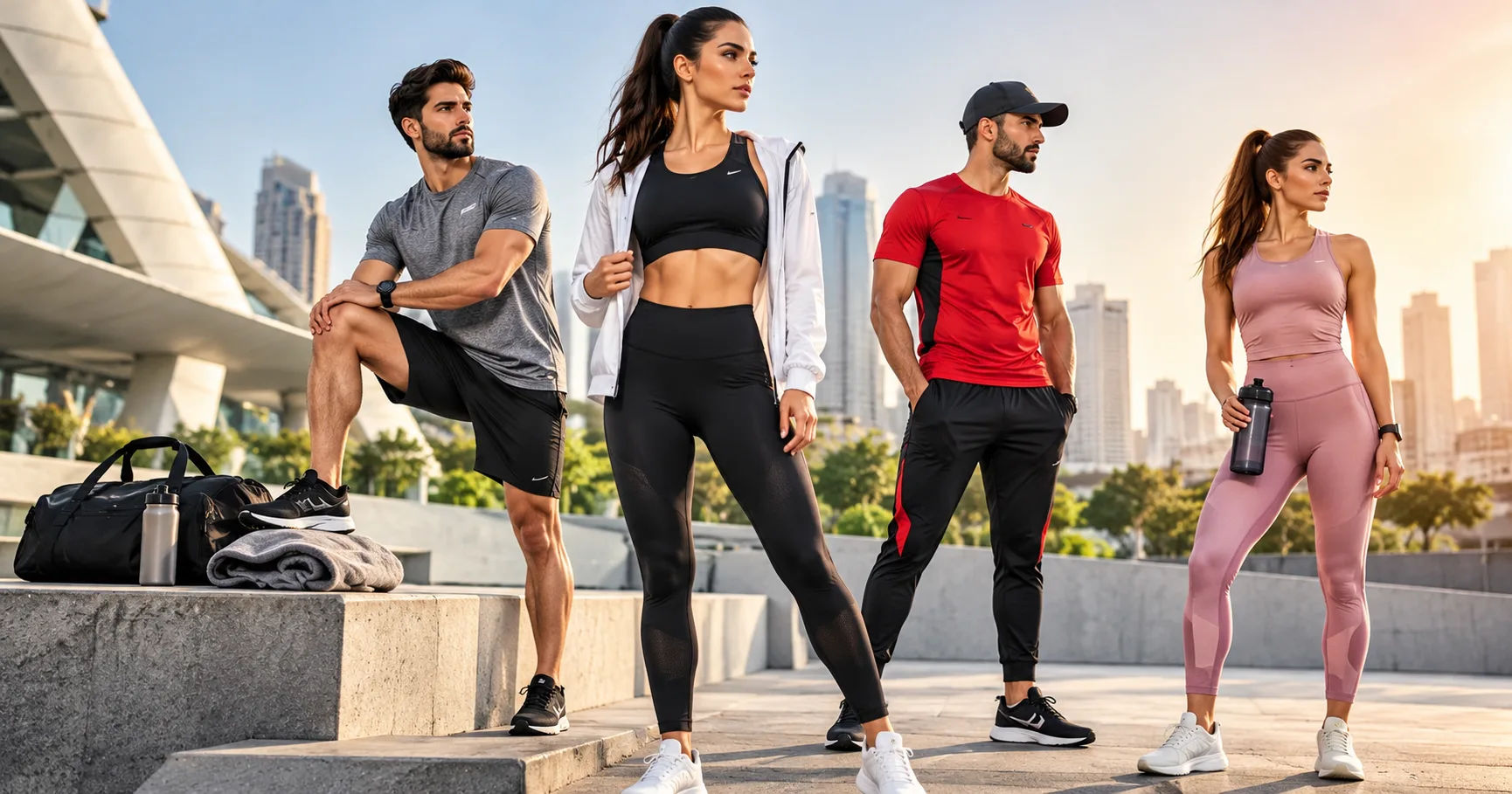
Choosing the right Sports Wears is not just about looking good while exercising. It is about finding clothes and accessories that work with your body, support your running routine, and help you feel comfortable from the first step to the last. The right outfit can reduce distractions and make it easier to focus on your pace, breathing, and personal goals.
However, running clothes are not all the same. Fabric, fit, footwear, temperature, and the distance you plan to cover all influence what you should wear. A lightweight outfit that works well during a summer run may not provide enough warmth on a cold morning. Similarly, clothing that feels comfortable during a short jog may cause irritation during a longer session.
Understanding the main types of running clothing will help you build a practical workout wardrobe without spending money on unnecessary items.
Moisture-Wicking T-Shirts for Everyday Running
A moisture-wicing T-shirt is one of the most useful items for runners. Unlike ordinary cotton shirts, these tops are designed to move sweat away from the skin, helping it evaporate and keeping you more comfortable during exercise.
When you run, your body produces heat and sweat.Sports Wears bjj gi absorbs moisture and stays wet for a long time can feel heavy, cling to your skin, and cause discomfort. Breathable running shirts help reduce these problems.
Which Fabrics Are Best?
Polyester and nylon blends are popular choices because they are lightweight, dry relatively quickly, and work well during regular training. Some running shirts also contain elastane, which adds stretch and improves freedom of movement.
Merino wool is another option, particularly for runners who want comfortable clothing for cooler conditions. It can help manage moisture and temperature, although its performance depends on the fabric construction.
Cotton can feel soft during everyday activities, but it is generally less suitable for longer or sweatier runs because it absorbs moisture and dries slowly.
How Should a Running Shirt Fit?
Your shirt should allow you to swing your arms naturally without pulling across the shoulders or chest.
A fitted shirt can reduce excess fabric movement, while a relaxed design may feel more comfortable for casual jogging. Choose whichever style allows you to move freely without rubbing against your skin.
2. Running Shorts for Better Mobility
Running shorts are an excellent choice for warm weather because they provide ventilation and allow your legs to move freely.
The best shorts are lightweight, comfortable, and designed to stay in place while you run. They should not ride up excessively, pinch your waist, or restrict your stride.
Types of Running Shorts
There are several options to consider:
-
Split shorts: These feature small openings at the sides to provide greater freedom of movement. They are popular among runners who prefer a lightweight design.
-
Standard running shorts: These provide moderate coverage and are suitable for beginners and everyday training.
-
Compression shorts: These fit closely against the body and may help reduce clothing movement and chafing.
-
Two-in-one shorts: These combine an outer layer with a fitted inner lining for additional coverage and support.
When choosing Sports Wears for running, consider the distance you plan to cover and the weather conditions.
Look for Practical Features
An elastic waistband with an adjustable drawstring can help keep shorts secure. Small pockets are useful for carrying a key, card, or other lightweight essentials.
Flat seams and a comfortable inner lining can also reduce irritation during longer sessions.
3. Leggings and Running Tights for Cooler Conditions
Running tights and leggings are popular among people who want a close-fitting alternative to shorts.
They can be particularly useful in cooler weather because they provide additional coverage without the loose fabric of traditional track pants. Some designs also include stretch panels, pockets, and supportive waistbands.
Choosing the Right Material
Look for stretchy synthetic fabrics that move sweat away from your skin. A blend of polyester or nylon with elastane often provides a useful combination of flexibility and durability.
Thermal running tights may include brushed interiors or thicker fabric to help retain warmth during cold-weather workouts.
However, thick tights can feel uncomfortable in hot conditions. Consider lightweight, breathable options for warmer days.
Compression Versus Regular Tights
Compression tights fit more closely than standard running leggings. Some runners like their secure feel, but compression clothing is not essential for everyone.
The most important factors are comfort, suitable sizing, and freedom of movement.
If tight clothing causes numbness, discomfort, or restricted movement, choose a less compressive option.
4. Running Shoes: The Most Important Part of Your Outfi
Although shirts and shorts affect comfort, running shoes deserve special attention because your feet experience repeated impact during every run.
A suitable pair should feel comfortable, provide a secure fit, and work well with the surfaces where you usually exercise.
What to Look or in Running Shoes
Consider these important features:
-
Comfortable cushioning: The midsole should feel comfortable for your running style and preferred distance.
-
Secure fit: Your heel should remain stable, and your toes should have enough room to spread naturally.
-
Breathable uppers: Mesh materials can help improve ventilation in warm conditions.
-
Suitable grip: The outsole should provide traction on your usual running surface.
-
Appropriate design: Road-running shoes and trail-running shoes are designed for different environments.
You do not necessarily need the most expensive shoes available. A comfortable, well-fitting pair that suits your needs is usually a better choice than a fashionable shoe that feels wrong.
How to Find the Right Fit
Try shoes on with the socks you normally wear while running. Check that your toes do not press against the front of the shoe, especially when walking downhill or moving quickly.
If possible, test the shoes by walking or jogging briefly before buying them.
Replace them when the cushioning, grip, or structure has deteriorated enough to affect comfort and performance.
5. Running Socks That Prevent Discomfort
Running socks may seem like a small detail, but they can have a noticeable effect on your experience.
Poorly fitting socks can bunch up inside your shoes, create pressure points, and increase the risk of blisters. The right pair helps keep your feet more comfortable during repeated movement.
Which Socks Should You Choose?
Look for running socks made from moisture-managing synthetic fibers or suitable merino wool blends.
Cushioned areas can improve comfort, while reinforced heels and toes may increase durability. Some socks also feature arch support or targeted ventilation.
Avoid thick cotton socks for long, sweaty runs if they retain too much moisture for your needs.
Finding the Correct Size
Socks should fit securely without squeezin your toes or sliding down into your shoes.
Seam placement is also important. Smooth toe seams can help reduce friction, especially during longer distances.
For runners who regularly experience blisters, experimenting with different sock thicknesses and shoe fits may help identify the cause.
6. Sports Bras and Supportive Base Layers
Supportive base layers can make running more comfortable by reducing unnecessary clothing movement and helping manage moisture.
For runners who need breast support, a properly fitted sports bra is particularly important.
Choosing a Suitable Sports Bra
Running is a high-impact activity, so many runners benefit from a sports bra designed specifically for high-impact exercise.
Look for secure straps, a comfortable underband, and supportive construction. The bra should reduce excessive movement without causing pain or making breathing difficult.
Sizing matters more than appearance. If the band rides up, the straps dig into your shoulders, or the garment causes discomfort, consider another size or design.
Base Layers for Cold Weather
A lightweight base layer can help manage moisture and maintain comfort in cooler conditions.
Synthetic fabrics and merino wool are common options. The best choice depends on the temperature, your running intensity, and how much you tend to sweat.
Avoid wearing too many heavy layers. Overdressing can cause overheating even when the weather feels cold at the start.
7. Weather-Appropriate Jackets and Outerwear
The right outer layer can make running more comfortable when temperatures drop or the weather changes.
A jacket should protect you from the conditions without trapping too much heat or restricting your arms.
Lightweight Windbreakers
Windbreakers are useful on breezy days because they reduce the chilling effect of wind.
Many designs are lightweight and easy to carry when they are no longer needed. Look for breathable panels, adjustable cuffs, and a comfortable fit.
A windbreaker may be enough for mild winter conditions when combined with a suitable base layer.
Waterproof Running Jackets
A waterproof jacket can be helpful during rainy weather, especially when it includes a breathable membrane and ventilation features.
However, no jacket can guarantee complete comfort during intense exercise. Sweat can build up inside if moisture cannot escape efficiently.
Choose an outer layer that suits the expected rainfall, temperature, and length of your run.
Dressing for Cold Weather
For colder days, use layers that can be added or removed as needed.
A practical combination might include a moisture-wicking shirt, a lightweight insulating layer, and a wind-resistant jacket.
Gloves, a headband, or a lightweight hat can provide extra comfort when temperatures are low.
8. Essential Accessories for Running Comfort
Accessories can make your running routine more convenient, particularly when you exercise outdoors or cover longer distances.
Caps and Sunglasses
A lightweight running cap can help shield your face from direct sunlight. Some designs include breathable fabric and sweat-managing bands.
Sports sunglasses can reduce glare and make bright outdoor conditions more comfortable. Choose a secure fit that does not bounce or slide while running.
Running Belts and Small Bags
A running belt allows you to carry keys, identification, cards, or a phone without holding them in your hands.
Choose a design that fits securely and does not bounce excessively.
For longer runs, a suitable hydration belt or vest may help you carry water. The amount you need depends on the distance, temperature, intensity, and availability of drinking water along your route.
Reflective Clothing and Lights
If you run early in the morning, at dusk, or after dark, visibility should be a priority.
Reflective details can help drivers notice you when their lights illuminate your clothing. Small running lights can also improve visibility in darker conditions.
Choose well-lit routes and avoid assuming that reflective clothing alone makes every running environment safe.
9. How to Choose Sports Wears for Different Running Conditions
Your running outfit should change according to your environment and workout goals.
Running in Hot Weather
For warm conditions, choose lightweight shirts, breathable shorts, moisture-managing socks, and comfortable running shoes.
Light-coloured clothing may help reflect more sunlight than dark clothing, although fabric design and ventilation also matter.
Avoid heavy layers and pay attention to signs of heat-related illness. On particularly hot days, consider running during cooler hours or exercising indoors.
Running in Cold Weather
For cold conditions, use layers that help manage sweat while keeping you warm.
Start with a moisture-wicking base layer, add an insulating layer when necessary, and use a wind-resistant outer layer if conditions call for it.
Protect your hands and ears when needed, and remove layers if you begin to overheat.
Running in Rain
Choose clothing that dries relatively quickly and does not become heavy when wet.
A lightweight rain jacket may help in cooler conditions, while minimal clothing can sometimes be more comfortable during warm rain.
Wear shoes with suitable traction for your route and be cautious on slippery surfaces.
Running on a Treadmill
Indoor running generally requires less protection from wind and rain.
A breathable shirt, comfortable shorts or leggings, suitable socks, and running shoes are often enough.
Because indoor workouts can still produce considerable sweat, moisture-managing clothing remains useful.
10. Common Mistakes to Avoid When Buying Running Clothes
Buying the right running outfit does not require spending a large amount of money. However, a few common mistakes can make your clothing less practical.
Choosing Fashion Over Comfort
Bright colours and stylish designs can be enjoyable, but appearance should not be your only consideration.
Check whether the fabric breathes, the seams feel comfortable, and the clothing allows natural movement.
Wearing the Wrong Size
Clothes that are too tight may restrict movement, while oversized garments can shift, bunch up, or rub against the skin.
Try different sizes and pay attention to how the garment feels when you walk, bend, and move your arms.
Ignoring Chafing
Chafing can develop when skin or clothing repeatedly rubs together, especially during long runs or in humid conditions.
Flat seams, suitable fits, moisture-managing fabrics, and anti-chafing products may help reduce the problem.
Buying Too Much at Once
Beginners do not need an extensive running wardrobe.
Start with a few versatile shirts, comfortable shorts or leggings, suitable shoes, and appropriate socks. Add specialist items as your training routine develops.
11. How to Maintain Your Running Clothing
Proper care can help your running clothes remain comfortable and last longer.
Wash sweaty clothing after use whenever practical, following the care instructions on the label. Avoid excessive heat when drying synthetic fabrics, since high temperatures may damage some materials or elastic components.
Do not leave damp clothes packed in a gym bag for extended periods, as this can lead to unpleasant odours.
Inspect your socks, shoes, and workout garments regularly for worn areas, damaged seams, or deteriorating materials.
Good maintenance protects your investment and helps ensure that your running outfit continues to perform as expected.
Conclusion
Choosing suitable running clothing is about finding the right balance between comfort, breathability, support, and protection. Moisture-wicking T-shirts, lightweight shorts, flexible leggings, comfortable running shoes, and well-fitting socks form the foundation of a practical running wardrobe.
The best Sports Wears will depend on the weather, your preferred running distance, the surface you use, and your personal comfort. Warm conditions call for breathable clothing, while cold or rainy weather may require suitable layers and protective outerwear. Supportive sports bras, reflective accessories, caps, and running belts can provide additional benefits when they match your needs.
Remember that expensive clothing does not automatically make you a better runner. Focus first on proper fit, reliable materials, comfortable footwear, and garments that allow you to move naturally. Start with essential items and expand your collection as your experience grows.
With thoughtful choices, Sports Wears can help reduce distractions, improve comfort, and make regular exercise easier to maintain. Whether you are a beginner or an experienced runner, wearing the right outfit can help you concentrate on your goals and enjoy every step of your journey.