Pakistan has a strong position in international trade because of its diverse industries, skilled workforce, agricultural resources, and growing manufacturing sector. From textiles and clothing to rice, sports goods, surgical instruments, leather products, and information technology, the country produces a wide range of goods and services that attract international buyers. These opportunities allow businesses to connect with customers across different regions and industries.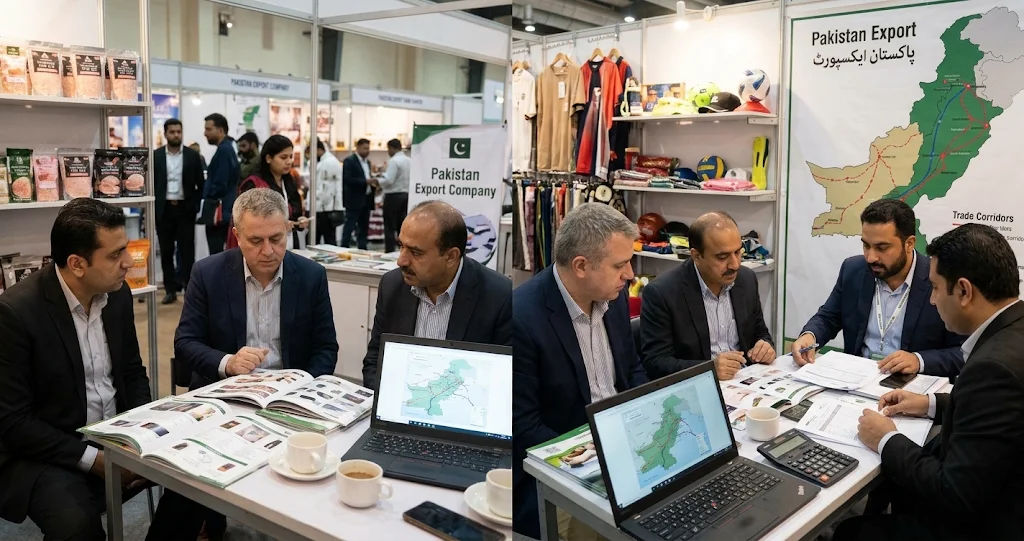
Understanding international markets is an important step for businesses that want to expand beyond domestic sales. A Pakistan Export Company can explore several international destinations, develop relationships with overseas distributors, and supply products that meet different customer requirements. However, choosing the right market requires research, product knowledge, quality management, and an understanding of international trade regulations.
Different countries offer different opportunities. Some markets have strong demand for agricultural products, while others focus on textiles, industrial equipment, technology, or consumer goods. By understanding these differences, exporters can make informed decisions and develop long-term international business relationships.
International Export Market
International export markets include countries and regions where businesses purchase products or services from foreign suppliers. These markets provide opportunities for manufacturers, wholesalers, distributors, and service providers to reach customers outside their home country.
Pakistan has access to several important international trading regions. Its location connects South Asia, Central Asia, the Middle East, and other global markets. This geographical advantage supports trade through established shipping routes, airports, and regional business relationships.
Exporters can serve international markets through different business models. Some sell directly to international retailers, while others work with distributors, wholesalers, importers, and manufacturing companies.
The right approach depends on the product, target customer, transportation requirements, and available resources.
1. Middle Eastern Markets
The Middle East is one of the important export destinations for Pakistani businesses. Countries such as the United Arab Emirates, Saudi Arabia, Qatar, Oman, Bahrain, and Kuwait offer opportunities across several industries.
These markets have established commercial connections with Pakistan and demand a wide variety of imported products.
United Arab Emirates
The United Arab Emirates is a major international trading centre. Dubai and Abu Dhabi connect businesses with customers throughout the Middle East, Africa, Europe, and Asia.
Pakistani exporters can explore opportunities in:
-
Rice and agricultural products.
-
Clothing and textile materials.
-
Leather goods and accessories.
-
Sports equipment.
-
Food products and packaged goods.
-
Furniture and home accessories.
Dubai is particularly valuable because its distribution networks allow businesses to reach customers in multiple countries.
Saudi Arabia
Saudi Arabia offers opportunities in food products, textiles, construction materials, industrial supplies, and consumer goods.
Its growing retail and infrastructure sectors create demand for international suppliers. Pakistani businesses can explore partnerships with importers, supermarkets, distributors, and construction companies.
However, exporters must understand product registration, labelling, customs requirements, and applicable standards before entering the market.
Qatar, Oman, and Kuwait
These countries also provide opportunities for Pakistani exporters.
Food products, clothing, household goods, furniture, and selected industrial materials are among the categories businesses can investigate.
Strong relationships with local distributors can help exporters understand customer expectations and establish a reliable supply network.
2. European Markets
Europe represents an important destination for businesses offering quality products at competitive prices.
European consumers and companies purchase goods from international suppliers, including manufacturers in Pakistan. However, the region has detailed product safety, environmental, quality, and documentation requirements.
United Kingdom
The United Kingdom has long-standing commercial and cultural connections with Pakistan.
Pakistani exporters can explore demand for:
-
Fashion clothing and garments.
-
Home textiles and bedding.
-
Leather accessories.
-
Rice and packaged food products.
-
Sports goods.
-
Handmade decorative products.
Retailers, wholesalers, and specialist importers can provide entry opportunities for businesses that maintain consistent product quality.
Germany
Germany is a major European industrial and consumer market.
It offers opportunities for Pakistani businesses supplying textiles, sports equipment, leather products, and selected manufacturing components.
German buyers generally expect reliable delivery schedules, accurate documentation, and consistent quality.
Companies entering this market should pay particular attention to technical specifications and product compliance.
France, Italy, and the Netherlands
These countries offer opportunities in fashion, textiles, leather products, agricultural goods, and selected industrial categories.
Italy has an established fashion and textile industry, while the Netherlands serves as an important European logistics and distribution centre.
A Pakistan Export Company targeting European buyers should investigate the requirements of each destination instead of treating Europe as one uniform market.
Product standards, taxes, customs procedures, and customer preferences can vary between countries.
3. North American Markets
North America offers opportunities for Pakistani exporters in consumer goods, textiles, agricultural products, sports equipment, and manufactured products.
The United States and Canada are particularly important destinations to investigate.
United States
The United States has a large consumer market with demand across numerous product categories.
Pakistani businesses can explore opportunities in:
-
Sportswear and athletic clothing.
-
Home textiles and towels.
-
Surgical instruments.
-
Sports equipment.
-
Leather products.
-
Rice and other agricultural goods.
-
Fashion accessories.
American buyers often work with international suppliers through wholesale purchasing, private-label manufacturing, and long-term supply agreements.
Exporters must understand relevant US import regulations, product safety requirements, labelling rules, and customs procedures.
Canada
Canada provides opportunities for Pakistani suppliers in clothing, textiles, food products, leather accessories, and sports equipment.
Its multicultural population also creates demand for different international food products and fashion categories.
Businesses can approach Canadian distributors, independent retailers, and specialist importers.
Understanding packaging, labelling, food safety, and applicable import requirements is essential before shipping products.
4. Asian Markets
Asia is a diverse trading region with significant opportunities for Pakistani exporters.
Countries in East Asia, Southeast Asia, and South Asia have different economic structures, manufacturing industries, and consumer demands.
China
China is an important trading partner for Pakistan.
Pakistani businesses can investigate opportunities involving agricultural products, textiles, selected minerals, food products, and other manufactured goods.
China also offers opportunities for business partnerships, industrial cooperation, and supply-chain relationships.
However, competition can be strong because China has a large domestic manufacturing sector.
Exporters should focus on products where Pakistani suppliers can provide competitive pricing, dependable quality, or specialized expertise.
Japan
Japan is known for its high expectations regarding product quality, packaging, and reliability.
Potential opportunities include textiles, leather goods, selected food products, sports equipment, and industrial supplies.
Businesses entering Japan should understand the importance of precise specifications, product consistency, and professional communication.
Malaysia and Indonesia
Malaysia and Indonesia provide opportunities for agricultural goods, rice, textiles, food products, and selected consumer goods.
Their growing populations and established import industries create potential opportunities for foreign suppliers.
Exporters should investigate local regulations, product certification, and market-specific consumer preferences.
5. African Markets
Africa is another promising region for Pakistani exporters. Its countries have different economic conditions, consumer markets, and infrastructure needs.
Businesses can explore opportunities in agricultural products, textiles, construction materials, household goods, and selected industrial equipment.
South Africa
South Africa has an established retail and manufacturing sector.
Pakistani suppliers can investigate demand for textiles, clothing, leather products, sports goods, and agricultural products.
Working with local distributors can help businesses understand market competition and customer preferences.
Kenya
Kenya serves as an important commercial centre in East Africa.
Its market offers opportunities for imported rice, textiles, clothing, household products, and selected industrial goods.
Businesses may also explore distribution partnerships that connect them with other East African markets.
Nigeria and Other West African Countries
Nigeria has a large population and a diverse consumer market.
Potential opportunities include rice, clothing, textiles, household products, and selected manufacturing supplies.
However, exporters should carefully investigate payment arrangements, customs procedures, shipping conditions, and local business regulations.
A market that appears attractive in terms of population may still present challenges involving logistics and currency fluctuations.
6. Central Asian Markets
Central Asia includes countries such as Kazakhstan, Uzbekistan, Tajikistan, Turkmenistan, and Kyrgyzstan.
These markets offer opportunities for regional trade because of their growing demand for imported consumer products, food supplies, textiles, and industrial materials.
Uzbekistan
Uzbekistan has developing commercial relationships with regional trading partners.
Pakistani exporters can investigate opportunities in agricultural products, textiles, clothing, pharmaceuticals where permitted, and selected manufactured goods.
Kazakhstan
Kazakhstan has a substantial industrial and agricultural economy.
Potential opportunities exist in food products, selected textiles, industrial supplies, and consumer goods.
Businesses should investigate transportation routes and border procedures before making commercial commitments.
Tajikistan and Kyrgyzstan
These markets may offer opportunities for food products, clothing, household goods, and selected construction materials.
Regional trade relationships and reliable transportation arrangements can help exporters establish their presence.
7. South Asian Markets
South Asia provides geographical advantages for Pakistani businesses, although political and trade conditions differ between countries.
Potential regional destinations include Bangladesh, Sri Lanka, Nepal, and the Maldives.
Bangladesh
Bangladesh has a large textile and garment industry.
Pakistani exporters can explore opportunities in selected textile materials, agricultural products, leather goods, and other products where local demand and trade conditions support imports.
Sri Lanka
Sri Lanka imports a variety of consumer and industrial products.
Potential opportunities include rice, food products, textiles, clothing, and household goods.
Nepal and the Maldives
Nepal offers opportunities for selected food products, textiles, and manufactured goods.
The Maldives has demand for imported food products, household goods, clothing, and hospitality-related supplies.
Transport costs and distribution arrangements are particularly important when serving smaller or geographically separated markets.
8. Important Industries That Pakistani Exporters Can Serve
Choosing a destination is only one part of export planning. Businesses must also understand which products have international demand.
Pakistan has several established industries that can support international trade.
Textile and Garment Industry
Pakistan produces several agricultural products that can serve international markets.
Important categories include:
-
Basmati and non-basmati rice.
-
Fruits and vegetables.
-
Mangoes and citrus fruits.
-
Sesame seeds.
-
Spices.
-
Processed food products.
-
Seafood.
Food exporters must maintain proper storage, hygiene, packaging, and temperature controls where necessary.
Different destinations also have specific food safety and inspection requirements.
Sports Goods
Pakistan has an established sports goods manufacturing industry, particularly in Sialkot.
Its products include footballs, sportswear, protective equipment, gloves, and other sporting accessories.
International sports retailers, clubs, distributors, and private-label brands may provide business opportunities.
Manufacturers should maintain consistent product specifications and follow applicable labour and safety standards.
Surgical Instruments
Pakistan's surgical instrument industry is another important export sector.
Products manufactured for international healthcare markets include selected surgical tools, medical instruments, and related equipment.
This industry requires strict quality management, appropriate certifications, product traceability, and compliance with destination-country medical device regulations.
Healthcare-related exports should never be treated like ordinary consumer goods because regulatory expectations are considerably higher.
Leather Products
Leather is another established manufacturing category.
Pakistani manufacturers produce footwear, bags, wallets, belts, jackets, and other leather accessories.
These products can target European, North American, Middle Eastern, and Asian customers.
Product finishing, durability, design, and responsible sourcing can help businesses compete internationally.
Information Technology Services
Exports are not limited to physical products.
Pakistan also has opportunities in international IT and digital services.
These include:
-
Software development.
-
Website development.
-
Mobile application development.
-
Graphic design.
-
Digital marketing.
-
Business process outsourcing.
-
Technical support.
-
Cloud-based services.
IT companies can serve customers in the United States, United Kingdom, Europe, the Middle East, and other regions.
Unlike physical products, many digital services can be delivered online without traditional shipping arrangements.
9. How to Select the Right International Market
Not every market is suitable for every product.
Businesses should evaluate several factors before choosing an export destination.
Research Product Demand
The first step is identifying countries where customers regularly purchase the product.
For example, a rice exporter should investigate food import demand, while a textile manufacturer should examine clothing retailers and fabric distributors.
Trade statistics, industry reports, and discussions with importers can help businesses understand market demand.
Evaluate Competition
A market may have strong demand but also intense competition.
Exporters should identify the major suppliers, compare product quality, and examine prevailing prices.
They should determine whether their products offer a meaningful advantage.
This advantage might involve better customization, reliable delivery, specialized manufacturing, or competitive pricing.
Understand Import Regulations
Every destination has its own import requirements.
These may include:
-
Customs documentation.
-
Product safety standards.
-
Country-of-origin information.
-
Packaging requirements.
-
Labelling rules.
-
Quality certifications.
-
Product-specific permits.
Understanding these requirements before shipment helps reduce delays and unexpected expenses.
Calculate Transportation Costs
Shipping costs influence export profitability.
Businesses must consider freight charges, insurance, port handling, customs expenses, and inland transportation.
Perishable products may also require refrigerated transportation.
A market with strong demand may not be financially attractive if transportation costs are too high.
Study Payment Conditions
International payments require careful planning.
Exporters should understand payment terms, currency risks, bank charges, and the financial reliability of buyers.
Letters of credit, advance payments, and documentary collections are among the methods used in international trade.
Businesses should select payment arrangements according to the transaction's risk and commercial requirements.
10. How a Pakistan Export Company Can Enter International Markets
Entering a foreign market requires preparation, professional communication, and a clear business strategy.
A structured approach can make the process easier.
Register the Business and Understand Export Procedures
Businesses should establish the necessary legal and tax arrangements in Pakistan.
They should also understand applicable registration, customs, banking, and export documentation requirements.
Depending on the product, additional licences or certifications may be necessary.
Identify International Buyers
Exporters can find potential customers through:
-
International trade exhibitions.
-
Business-to-business marketplaces.
-
Trade associations.
-
Commercial chambers.
-
Overseas distributors.
-
Industry networking events.
-
Professional business platforms.
Before accepting an order, businesses should verify the buyer's identity, business history, and payment reliability.
Prepare Professional Product Information
International buyers need clear information before purchasing.
A professional product catalogue should include product descriptions, specifications, available sizes, packaging details, minimum order quantities, and production capabilities.
Clear product photographs and samples can also help buyers evaluate the offering.
Maintain Consistent Quality
Quality is one of the most important factors in international trade.
Exporters should establish inspection procedures and maintain consistent manufacturing standards.
They should also address customer complaints professionally and correct problems quickly.
Reliable quality can encourage repeat orders and long-term business relationships.
Build Long-Term Relationships
International business often depends on trust and consistency.
Exporters should communicate clearly, meet agreed deadlines, and provide accurate information about production and shipment schedules.
Strong relationships with importers and distributors can create opportunities for expansion into additional markets.
11. Challenges of Serving International Markets
Although international trade offers considerable opportunities, exporters must prepare for several challenges.
Changing Exchange Rates
Currency fluctuations can affect the cost of production, shipping, and international payments.
Businesses should calculate quotations carefully and consider exchange-rate risks when negotiating contracts.
International Competition
Exporters compete with manufacturers from countries that may have lower production costs, stronger distribution networks, or established brand recognition.
Improving efficiency and product quality can help businesses remain competitive.
Shipping and Logistics Problems
Port congestion, transportation delays, documentation errors, and changing freight charges can affect deliveries.
Working with experienced freight forwarders and maintaining accurate shipment records can reduce these difficulties.
Different Customer Expectations
Customers in different regions may prefer different product designs, sizes, materials, and packaging.
Understanding local preferences helps businesses develop products that match customer needs.
Regulatory Changes
Import requirements can change over time.
Exporters should regularly review applicable regulations and maintain communication with customs professionals, industry associations, and relevant authorities.
12. Future Opportunities for Pakistani Exporters
International trade continues to develop as businesses adopt new technologies and consumers explore different products.
Several trends may create opportunities for Pakistani exporters.
E-Commerce and Online Wholesale
Online marketplaces allow manufacturers to connect with international buyers without relying entirely on traditional sales channels.
Businesses can showcase products, communicate with customers, and receive enquiries from different countries.
However, exporters must still manage shipping, payment security, product compliance, and customer service.
Sustainable Manufacturing
Many international buyers are paying greater attention to environmental responsibility.
Manufacturers that improve energy efficiency, reduce waste, and use responsible sourcing practices may become more attractive to international customers.
Value-Added Products
Instead of exporting only raw materials, Pakistani businesses can explore finished and processed products.
For example, textile manufacturers can expand into finished clothing, while agricultural suppliers can investigate packaged and processed food products.
Value addition may improve product differentiation and create opportunities for higher-value contracts.
Digital Services
Pakistan's technology sector can serve customers across multiple continents.
Software development, online marketing, design, and business support services offer opportunities for businesses that have the required skills and professional capabilities.
These services can help diversify the country's export base beyond traditional physical products.
Conclusion
Pakistan has access to a wide range of international markets, including the Middle East, Europe, North America, Asia, Africa, Central Asia, and South Asia. Each region offers different opportunities depending on its consumer demand, industrial requirements, purchasing power, and import regulations.
A successful Pakistan Export Company should begin by understanding its products, identifying suitable destinations, and researching international buyers. Businesses involved in textiles, agricultural products, sports goods, surgical instruments, leather manufacturing, and information technology can explore opportunities across several global industries.
However, entering international markets requires more than finding customers. Exporters must maintain product quality, understand customs procedures, manage shipping costs, prepare accurate documentation, and establish secure payment arrangements. They should also recognize that each country has different regulations and customer expectations.
Market research is particularly important because a product that performs well in one country may not achieve the same results in another. Businesses should evaluate demand, competition, transportation expenses, and profitability before making major investments.
Building strong relationships with international distributors, importers, and retailers can also support long-term growth. Consistent communication, dependable deliveries, and professional customer service help establish credibility in competitive markets.
Ultimately, Pakistan's diverse industries and manufacturing capabilities provide a valuable foundation for international trade. Businesses that combine careful planning, innovation, quality management, and a clear understanding of overseas markets can develop sustainable export operations and contribute to the country's growing presence in global commerce.