Milk powder is a convenient and practical ingredient that can be used to prepare many dairy products at home. One common question among people who enjoy homemade dairy foods is whether milk powder can be used to make yogurt. The answer is yes. Milk powder can produce delicious, creamy, and nutritious yogurt when it is mixed with water, heated correctly, and combined with a suitable yogurt starter culture. This method is especially useful when fresh milk is unavailable or when people prefer the convenience of storing powdered milk.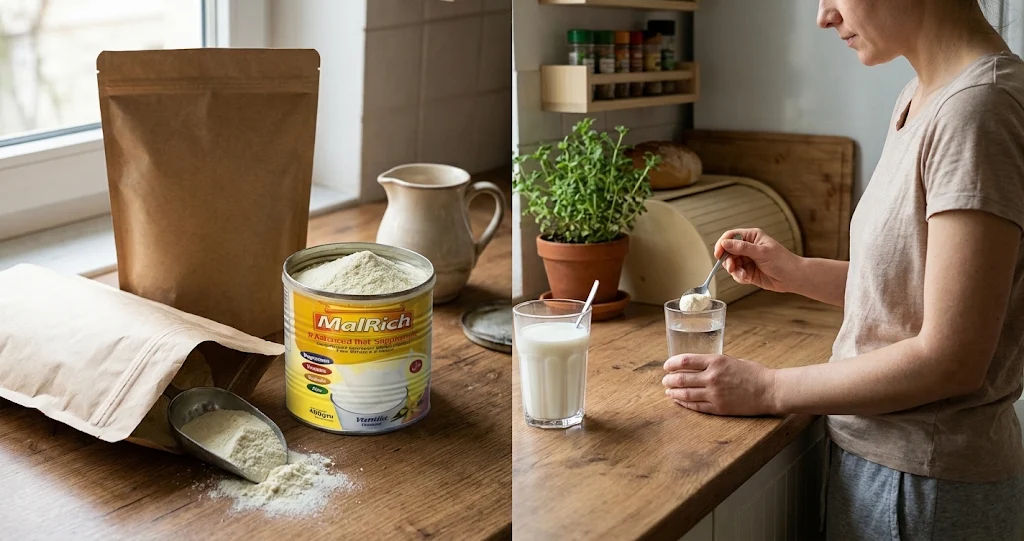
When choosing ingredients, people may also compare mal rich milk powder price in pakistan to understand which products offer good value for everyday cooking and homemade dairy preparation. However, the price is only one consideration. The quality, freshness, nutritional composition, and suitability of the milk powder are equally important when preparing yogurt. Using the correct proportions and following the fermentation process carefully can help produce yogurt with a pleasant taste and smooth consistency.
Making yogurt from milk powder does not require expensive equipment or professional dairy-making experience. With a few basic kitchen ingredients, a clean container, and some patience, almost anyone can prepare homemade yogurt. Understanding how powdered milk behaves during heating and fermentation makes the process easier and helps avoid common problems such as watery yogurt, weak texture, or excessive sourness.
How Milk Powder Becomes Yogurt
Milk powder is produced by removing most of the water from liquid milk. The remaining product contains important milk components, including proteins, carbohydrates, minerals, and, depending on the product, varying amounts of fat.
When milk powder is mixed with clean water, it forms liquid milk that can be used in different recipes. This reconstructed milk can also be fermented with beneficial yogurt bacteria.
Yogurt develops when specific bacterial cultures consume lactose, the natural sugar present in milk. During fermentation, these bacteria produce lactic acid. The increasing acidity changes the structure of milk proteins, allowing them to form a soft, thick network.
This process gives yogurt its familiar creamy consistency and slightly tangy flavor.
Why Powdered Milk Works for Yogurt
Powdered milk contains the essential components needed for yogurt production. When properly reconstituted, it provides a suitable environment for yogurt cultures to grow.
Milk proteins are particularly important because they help create the structure of yogurt. The protein network holds moisture and contributes to the thickness of the finished product.
Milk powder also offers convenience because it can be stored for longer than fresh milk when kept under appropriate conditions.
Does Every Type of Milk Powder Work?
Most ordinary dairy milk powders can be used to prepare yogurt. However, their results may differ depending on their composition.
Whole milk powder contains more fat, which can contribute to a richer and creamier yogurt. Skimmed milk powder contains less fat and may produce a lighter result.
Some milk powders also contain added ingredients, such as sugar, flavorings, or stabilizers. These additions can affect the taste and fermentation process.
For the most reliable results, choose plain, unsweetened dairy milk powder.
Ingredients Needed to Make Yogurt from Milk Powder
Preparing homemade yogurt requires only a few ingredients. The quality and freshness of these ingredients can influence the final texture and taste.
1. Milk Powder
Choose fresh, good-quality milk powder that is suitable for preparing liquid milk.
Whole milk powder is a useful option if you prefer rich yogurt. Skimmed milk powder can also work, particularly if you want a lower-fat product.
Check the packaging for preparation instructions and storage recommendations.
2. Clean Drinking Water
Water is needed to reconstitute the milk powder.
Use safe drinking water. If the water supply is uncertain, boil it and allow it to cool appropriately before mixing.
The amount of water should follow the milk powder manufacturer's recommended preparation ratio.
3. Yogurt Starter
A starter culture contains the bacteria responsible for fermentation.
You can use two to three tablespoons of plain, fresh yogurt containing live active cultures for approximately one litre of prepared milk.
Alternatively, you can purchase a commercial yogurt starter culture and follow its instructions.
Avoid flavored yogurt or products that do not contain live cultures.
4. Optional Ingredients
Some people prefer to add extra milk powder to increase the protein and solids content of their yogurt mixture.
This can help produce a thicker result.
However, additional ingredients are not always necessary. Begin with a basic recipe and adjust the proportions after understanding how your chosen milk powder behaves.
Step-by-Step Guide to Making Yogurt with Milk Powder
The process is simple, but each step plays an important role in achieving a successful result.
Step 1: Prepare the Milk Mixture
Start by measuring the required amount of milk powder.
For approximately one litre of liquid milk, follow the manufacturer's recommended powder-to-water ratio. Different products have different concentrations, so the packaging instructions should be your primary guide.
Mix the powder gradually into warm water while stirring continuously.
Make sure the powder dissolves completely. Large lumps can create an uneven mixture and affect the consistency of the finished yogurt.
Step 2: Heat the Reconstituted Milk
Pour the prepared milk into a clean saucepan.
Heat it gradually while stirring to prevent the milk solids from sticking to the bottom.
For homemade yogurt, heating the milk to approximately 82–85°C is a useful approach. Maintain the temperature for several minutes, avoiding excessive boiling.
This heating step helps improve yogurt texture by changing the behavior of milk proteins.
It also reduces unwanted microorganisms that might interfere with fermentation.
Step 3: Allow the Milk to Cool
After heating, remove the saucepan from the stove.
Allow the milk to cool to approximately 42–45°C before adding the starter culture.
Temperature matters because yogurt bacteria need a suitable environment to grow.
If the milk is too hot, it can damage or kill the starter bacteria. If it is too cold, fermentation may take longer.
A clean kitchen thermometer makes this step easier.
Step 4: Add the Yogurt Starter
Place a small amount of cooled milk in a separate bowl.
Add the plain yogurt starter and mix until smooth.
Gradually combine this mixture with the remaining milk.
Stir gently to distribute the culture evenly throughout the liquid.
Avoid vigorous mixing because it is unnecessary and can introduce unwanted air into the mixture.
Step 5: Transfer the Mixture into a Container
Pour the prepared milk into a clean glass or food-safe container.
Cover it with a lid, but do not tightly seal a container that is not designed for fermentation.
The goal is to maintain a clean environment and a relatively stable temperature.
Step 6: Allow Fermentation
Keep the container in a warm environment, ideally around 40–43°C.
Allow the yogurt to ferment for approximately four to eight hours, depending on the starter culture, temperature, and desired flavor.
During fermentation, the milk gradually becomes thicker.
Avoid repeatedly moving or shaking the container because this can disturb the developing yogurt structure.
Step 7: Refrigerate the Yogurt
Once the yogurt has set, transfer it to the refrigerator.
Cooling slows bacterial activity and helps the yogurt develop a firmer consistency.
Refrigerate it for several hours before serving.
Homemade yogurt is now ready to enjoy.
How to Make Thick and Creamy Yogurt from Milk Powder
One of the most common challenges when preparing yogurt from powdered milk is achieving a thick consistency.
Fortunately, several techniques can improve the results.
Increase the Milk Solids
Using a slightly higher concentration of milk powder than the standard drinking-milk preparation can increase the total milk solids.
These additional solids provide more proteins and other components that support yogurt structure.
However, avoid adding excessive powder because it can produce a grainy texture.
Heat the Milk Properly
Heating the reconstituted milk before fermentation is important for producing thicker yogurt.
This process changes certain milk proteins, helping them form a stronger structure during fermentation.
Skipping this step may result in yogurt that is thinner than expected.
Use Fresh Starter Culture
A fresh starter containing active bacteria usually produces more reliable results.
Old yogurt or a starter that has been stored incorrectly may contain fewer active bacteria.
This can lead to slow fermentation or yogurt that does not set properly.
Avoid Disturbing the Yogurt
Once the starter has been added, keep the container in a stable position.
Frequent movement can interfere with the formation of the yogurt structure.
Allow the mixture to ferment without unnecessary disturbance.
Benefits of Making Yogurt from Milk Powder
Using milk powder to make yogurt offers several practical advantages.
Convenient Storage
Milk powder generally has a longer shelf life than fresh liquid milk when unopened and stored correctly.
This makes it convenient for households that do not purchase fresh milk every day.
You can prepare liquid milk whenever you need it and use the remaining powder for other recipes.
Affordable Homemade Dairy
Preparing yogurt at home can be economical, especially when powdered milk is purchased in suitable quantities.
Comparing the mal rich milk powder price in pakistan with the cost of fresh milk and ready-made yogurt can help households evaluate their options.
However, the actual savings depend on the quantity used, the brand, and the cost of other ingredients.
Control Over Ingredients
Homemade yogurt gives you greater control over its ingredients.
You can avoid unnecessary added sugars, artificial flavors, and sweetened preparations.
You can also choose between whole milk powder and skimmed milk powder according to your preferences.
Versatile Food Preparation
Homemade yogurt can be used in many different recipes.
It works well in smoothies, fruit bowls, marinades, sauces, desserts, and traditional dishes.
Its versatility makes it a useful addition to everyday cooking.
Nutritional Value
Yogurt made from milk powder can provide protein, calcium, and other nutrients naturally present in milk.
The exact nutritional content depends on the original milk powder, its fat level, the amount of water used, and the fermentation process.
Some yogurt cultures also contain live microorganisms that may support digestive health.
However, nutritional benefits vary between products and individuals.
Common Problems When Making Yogurt from Milk Powder
Although the process is straightforward, beginners may encounter a few difficulties.
Understanding their causes makes it easier to improve future batches.
Yogurt Does Not Set Properly
If the mixture remains liquid after several hours, the starter culture may not be active.
Another possible reason is that the milk was too hot when the starter was added.
Incorrect fermentation temperatures can also prevent proper bacterial growth.
Use a fresh starter and check the temperature before beginning fermentation.
Yogurt Becomes Too Sour
Excessive fermentation can produce a stronger sour taste.
This usually happens when the yogurt is kept warm for too long.
Shorten the fermentation period if you prefer a milder flavor.
Refrigerating the yogurt once it has reached the desired consistency helps slow further acid development.
Yogurt Becomes Watery
A small amount of liquid separating from yogurt is normal. This liquid is called whey.
However, excessive separation may indicate an unstable yogurt structure.
Possible causes include insufficient heating, too much movement during fermentation, or unsuitable milk proportions.
Using the correct powder-to-water ratio and allowing the yogurt to set without disturbance can help.
Yogurt Has a Grainy Texture
A grainy texture may develop when milk powder is not fully dissolved.
It can also result from excessive heating or an unsuitable mixture.
Dissolve the powder carefully before heating and avoid uncontrolled temperature changes.
How to Choose the Right Milk Powder for Yogurt
Choosing suitable milk powder is an important part of successful homemade yogurt preparation.
Not every product has the same composition, so reading the packaging is essential.
Check the Ingredients
Look for plain dairy milk powder with clearly listed ingredients.
Avoid products containing unnecessary flavors or added ingredients that may affect the taste.
If you are purchasing milk powder specifically for yogurt, choose a product that can be reconstituted into ordinary drinking milk.
Compare Nutritional Information
Check the protein, fat, carbohydrate, and calcium information on the packaging.
Protein content is particularly relevant because milk proteins contribute to yogurt thickness.
Whole milk powder may provide a richer taste, while skimmed versions offer a lighter alternative.
Consider Freshness and Packaging
Check the manufacturing date, expiry date, and packaging condition.
A damaged or poorly sealed package may allow moisture to enter, affecting the quality of the powder.
Once opened, store the product according to the manufacturer's instructions.
Compare Value Rather Than Price Alone
Consumers often compare the mal rich milk powder price in pakistan before purchasing milk powder for regular household use.
While price matters, it is also important to consider how much prepared milk can be obtained from each package.
A product that costs slightly more may offer better nutritional value or a more consistent result.
Comparing the price per prepared litre can provide a more useful picture of overall value.
Different Ways to Enjoy Homemade Powdered Milk Yogurt
Once your yogurt is ready, you can use it in several delicious ways.
Fruit Yogurt
Mix homemade yogurt with fresh bananas, apples, mangoes, or berries.
You can add a small amount of honey if you prefer extra sweetness.
This makes a convenient breakfast or snack.
Yogurt Smoothies
Combine yogurt with fruit and a little water or milk.
Blend until smooth to create a refreshing drink.
You can also add oats for a more filling option.
Traditional Raita
Mix yogurt with cucumber, mint, roasted cumin, and a small amount of salt.
This traditional preparation works well alongside rice dishes, pulao, and spicy meals.
Yogurt Marinades
Yogurt can be combined with garlic, ginger, spices, and lemon juice to prepare marinades.
It is commonly used to tenderize chicken and other ingredients before cooking.
Homemade Lassi
Blend yogurt with chilled water and adjust the sweetness or salt according to your preference.
Sweet lassi and salted lassi are both popular ways to enjoy homemade yogurt.
Food Safety and Storage Tips
Food safety is essential when preparing homemade dairy products.
Even though fermentation encourages the growth of beneficial bacteria, it does not make yogurt immune to contamination.
Always begin with clean equipment and safe ingredients.
Maintain Clean Kitchen Equipment
Wash the saucepan, mixing utensils, thermometer, and storage containers thoroughly.
Clean equipment helps reduce the risk of unwanted microorganisms entering the milk.
Use Safe Water
Water quality is important when preparing powdered milk.
Use drinking-quality water and follow appropriate boiling and cooling procedures when necessary.
Refrigerate Promptly
Once fermentation is complete, refrigerate the yogurt.
Keep it covered and avoid leaving it at room temperature for extended periods.
Avoid Contaminating the Container
Always use a clean spoon when removing yogurt.
Do not return used portions to the main container.
Know When to Discard Yogurt
Discard homemade yogurt if it develops unusual discoloration, visible mold, an unpleasant rotten smell, or other signs of spoilage.
Do not taste suspicious dairy products to determine whether they are safe.
For the best quality, prepare manageable quantities that your household can consume within a few days.
Is Yogurt Made from Milk Powder as Nutritious as Fresh Milk Yogurt?
Yogurt made from properly reconstituted milk powder can provide many of the same essential nutrients as yogurt prepared from fresh milk.
Both can contain protein, calcium, and other minerals.
The nutritional differences depend on the original milk, processing conditions, and preparation ratios.
For example, whole milk powder generally produces a richer yogurt than skimmed milk powder because of its higher fat content.
Some vitamins may also differ depending on the processing and fortification of the original product.
The fermentation process can affect lactose levels and make yogurt easier to tolerate for some people with lactose sensitivity. However, ordinary milk yogurt is not necessarily lactose-free.
People with milk allergies should avoid yogurt made from dairy milk powder because fermentation does not remove milk allergens.
For individuals with specific dietary requirements, checking product labels and seeking professional nutritional advice can be helpful.
Conclusion
Milk powder can absolutely be used to make delicious, creamy, and nutritious homemade yogurt. It provides a convenient alternative to fresh milk and allows households to prepare yogurt whenever they need it. With the correct milk-to-water ratio, a fresh starter culture, suitable heating, and controlled fermentation, powdered milk can produce excellent results.
The most important part of the process is understanding how milk proteins and beneficial bacteria work together. Heating the reconstituted milk properly helps develop a stronger yogurt structure, while maintaining the correct temperature during fermentation encourages the starter culture to grow. Refrigeration after fermentation helps preserve the finished product and maintain its quality.
Choosing good-quality milk powder is equally important. Consumers should examine nutritional information, packaging, ingredients, and expiry dates before purchasing. Comparing the mal rich milk powder price in pakistan can help households make informed purchasing decisions, but the quality and suitability of the product should remain important considerations.
Homemade powdered milk yogurt is also highly versatile. It can be enjoyed with fruit, prepared as lassi, mixed into smoothies, used in raita, or added to marinades and other recipes. You can adjust its thickness and flavor according to your preferences without relying on unnecessary additives.
Overall, making yogurt from milk powder is a simple and practical way to enjoy homemade dairy food. Whether you want to save time, maintain a convenient supply of milk, or experiment with homemade recipes, this method offers flexibility and satisfying results. By following proper preparation, fermentation, and storage practices, you can consistently prepare yogurt that tastes fresh and fits comfortably into your everyday meals.