Pakistan is famous for its colourful culture, traditional crafts, beautiful designs, and artistic expressions. Among its most recognizable cultural traditions is the decoration of trucks with bright colours, detailed paintings, poetry, and creative patterns. These decorated vehicles are more than just a means of transportation. They represent the country's artistic heritage and the creativity of local painters. 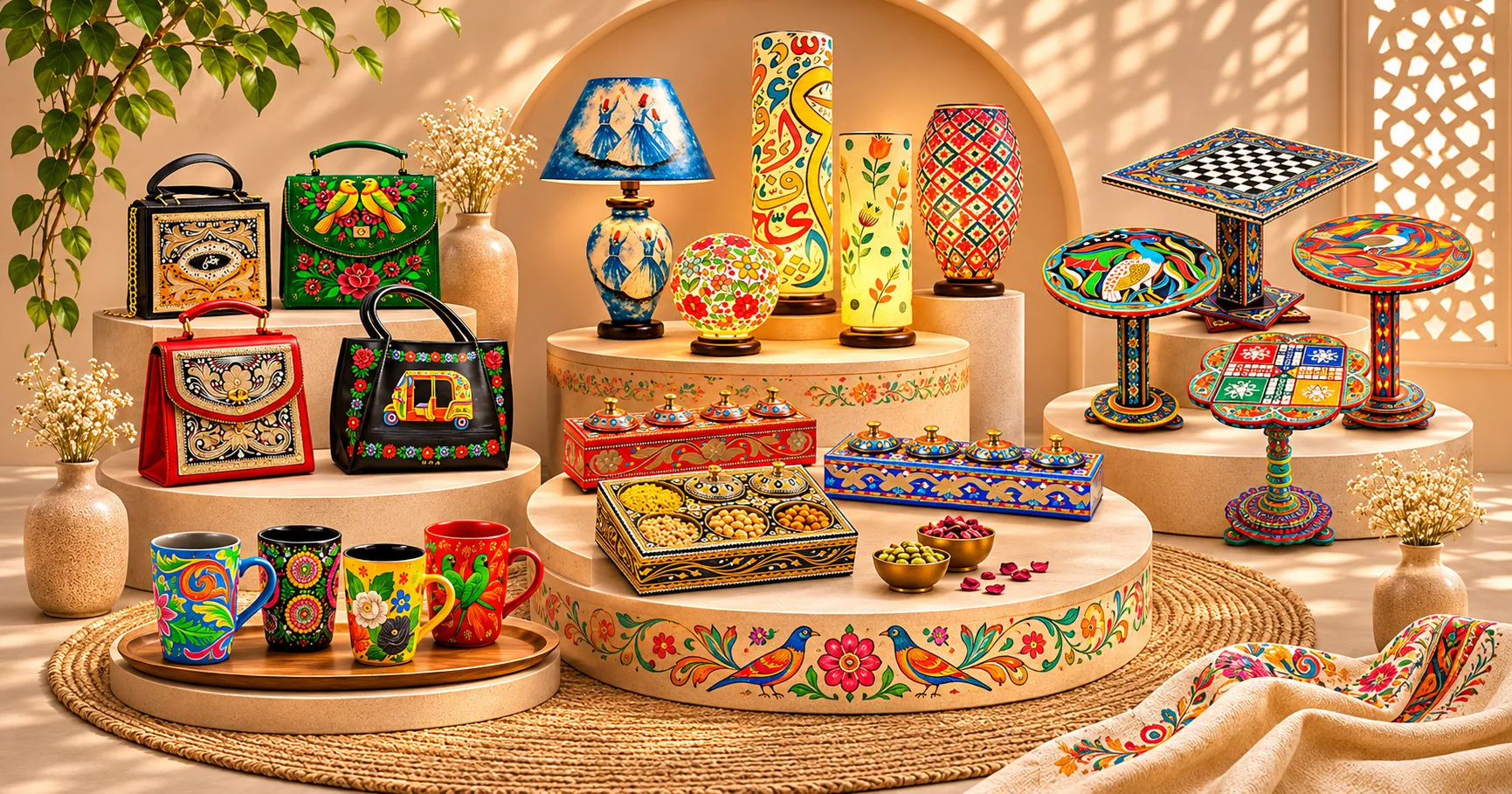 Many people around the world admire this unique style because every decorated truck tells a different story.
The process of painting truck art pakistan involves several steps, including preparing the vehicle's surface, selecting colours, creating designs, painting detailed patterns, and adding decorative elements. Skilled artists use traditional techniques alongside modern materials to transform ordinary trucks into colourful moving artworks. Each painter brings personal creativity to the process while maintaining the cultural traditions that make this art special.
Understanding how these trucks are painted provides an interesting look into the skills, patience, and imagination of Pakistani artists. From simple floral patterns to detailed landscapes and traditional poetry, every element has a purpose. This guide explains the complete painting process, the materials artists use, the meaning behind common designs, and how this traditional art continues to develop.
Tradition of Pakistani Truck Painting
Truck painting is an important part of Pakistan's visual culture. It developed through the country's transportation industry, where vehicle owners wanted their trucks to look attractive and different from others. Over time, simple decorations became more detailed and artistic.
Artists began adding colourful flowers, geometric patterns, landscapes, portraits, poetry, and cultural symbols. These designs gradually developed into a recognizable artistic tradition.
The decorated vehicles can be seen travelling through cities, towns, highways, and rural areas. Their bright appearance attracts attention and reflects the personalities of their owners.
Unlike ordinary vehicle painting, this tradition often includes several decorative techniques. Painters, metalworkers, woodcarvers, and other craftspeople may work together to complete one vehicle.
Materials Used for Painting Pakistani Trucks
Before beginning the painting process, artists select suitable materials. The quality of these materials affects the appearance, durability, and finishing of the artwork.
Paints and Colours
Paint is the most important material used in truck decoration. Artists commonly work with automotive paints, enamel paints, and other suitable coatings.
Bright colours such as red, yellow, green, blue, orange, pink, and white are popular. These colours help create attractive designs that remain noticeable from a distance.
Artists often combine contrasting shades to make flowers, borders, and decorative patterns stand out.
Brushes and Painting Tools
Different brushes are required for different stages of the work. Large brushes help cover wider surfaces, while smaller brushes are useful for detailed patterns.
Fine brushes allow painters to create thin outlines, delicate flowers, and decorative lettering.
Some artists also use stencils, masking materials, and other tools to maintain consistent shapes and patterns.
Primers and Protective Coatings
Primers prepare metal surfaces for painting. They help the paint adhere properly and provide a more even foundation.
After the decorative work is complete, suitable clear coatings may be applied to protect the artwork from sunlight, dust, moisture, and everyday environmental conditions.
Step-by-Step Process of Painting Pakistani Trucks
Painting a decorated truck requires planning, preparation, technical knowledge, and artistic ability. Although individual artists have different working methods, the general process follows several important stages.
1. Cleaning and Preparing the Truck
The first step is preparing the truck's surface. Artists or workshop workers remove dirt, grease, dust, and other materials that could affect the paint.
If the vehicle has old paint, rust, or damaged areas, these problems need attention before decoration begins.
The surface may be sanded to create a smooth foundation. Damaged sections are repaired, and the body is checked to ensure that it is suitable for painting.
Proper preparation is important because even beautiful artwork can look uneven if the underlying surface is poorly prepared.
2. Applying Primer
After cleaning and repairing the surface, painters apply an appropriate primer.
Primer creates a suitable base for the paint and helps improve its adhesion. It can also help produce a more consistent finish across different sections of the vehicle.
The primer must be allowed to dry according to the manufacturer's instructions.
Artists may then lightly smooth the surface where necessary before moving to the next stage.
3. Planning the Design
Design planning is one of the most creative parts of the process.
Artists discuss the owner's preferences and decide which colours, patterns, pictures, and decorative elements should appear on the vehicle.
Some owners prefer traditional floral designs, while others choose landscapes, animals, cultural symbols, or personalized artwork.
Painters consider the size and shape of different truck sections when planning the composition. The front, sides, rear, and cabin may each receive different designs.
A balanced layout helps prevent the artwork from looking crowded.
4. Drawing the Basic Patterns
Once the design is planned, artists create basic outlines on the prepared surface.
They may use pencils, chalk, measuring tools, templates, or other suitable marking methods.
These outlines guide the painting process and help maintain the correct proportions.
For example, a large flower needs enough space for its petals and surrounding decorations. Similarly, a landscape requires careful placement of mountains, trees, buildings, and other details.
Experienced artists can sometimes create patterns directly without preparing detailed sketches.
5. Applying the Main Colours
The next stage involves applying the main colours to different sections of the truck.
Artists begin with larger areas and gradually develop the design. They use suitable brushes and painting techniques to produce smooth coverage.
Bright colours are especially important because they give the vehicle its recognizable appearance.
In traditional truck painting, contrasting shades are frequently combined to create visual energy. However, skilled painters also consider colour balance to ensure that the finished design remains attractive.
Each painted section must receive enough drying time before additional details are added.
6. Creating Decorative Details
Decorative detailing gives the artwork its personality.
Painters add smaller patterns, flower petals, leaves, borders, lines, and geometric shapes. These details require patience and a steady hand.
Fine brushes are commonly used to produce accurate outlines and delicate designs.
Some artists create repeated patterns across the truck, while others prefer different artwork on every section.
This stage demonstrates the individual skill of the painter and often takes considerable time.
7. Adding Traditional Pictures and Symbols
Pictures are an important feature of this artistic tradition.
Artists may paint mountains, rivers, birds, horses, flowers, historical buildings, and other cultural images.
Some designs represent the natural beauty of Pakistan, while others reflect local traditions and personal interests.
Portraits and symbolic images may also appear on certain vehicles.
These pictures make every truck visually different and give its decoration a deeper cultural meaning.
8. Painting Poetry and Decorative Writing
Poetry and written messages are another recognizable part of Pakistani truck decoration.
Artists may include short verses, humorous statements, motivational messages, religious expressions, or traditional sayings.
Urdu poetry is especially popular, although regional languages and other forms of writing are also used.
Lettering requires careful attention because the words must remain readable while fitting into the available space.
Painters often use colourful outlines, shadows, and decorative borders to make the writing stand out.
Popular Designs Used in Truck Art Pakistan
The designs used on decorated trucks are inspired by different aspects of Pakistani culture and everyday life.
Floral Patterns
Flowers are among the most common decorative elements.
Artists paint roses, tulips, leaves, and other floral shapes using bright colours. These patterns may cover large sections of the vehicle or appear around borders and corners.
Floral artwork gives trucks a lively and welcoming appearance.
Landscapes and Natural Scenery
Many painters include mountains, rivers, lakes, gardens, and other natural scenes.
These images often reflect Pakistan's beautiful geographical regions.
Landscapes also allow artists to experiment with different shades, backgrounds, and artistic techniques.
Birds and Animals
Birds and animals are frequently included in traditional designs.
Peacocks, eagles, horses, and other creatures may appear as decorative pictures. Their placement and style depend on the painter's creativity and the owner's preferences.
Geometric and Repeated Patterns
Geometric designs include circles, triangles, lines, diamonds, and other shapes.
Artists combine these patterns to create borders and decorative backgrounds.
Repeated patterns help connect different sections of the vehicle and create a consistent appearance.
Why Are Bright Colours So Popular?
Bright colours are an important characteristic of Pakistani truck decoration.
One reason is visibility. Trucks travel through different environments, and colourful designs make them visually distinctive.
Another reason is cultural expression. Bright colours are widely used in traditional celebrations, crafts, clothing, and decorative artwork across Pakistan.
Artists also use colour combinations to express creativity and give each vehicle a unique identity.
Red and yellow may create strong contrasts, while blue and green can be combined to produce attractive backgrounds. White and black are often used for outlines and lettering.
The best colour selection depends on the design, surface, lighting, and owner's preferences.
How Long Does It Take to Paint a Truck?
The time required depends on the size of the truck, the complexity of the artwork, and the number of artists working on the project.
A simple paint job may take less time than a vehicle covered with detailed flowers, landscapes, poetry, and decorative patterns.
Surface preparation, repairs, drying periods, and finishing also affect the overall schedule.
Some projects require several days, while highly detailed decorations can take weeks or longer.
Artists must balance speed with quality because rushing the work can affect the final appearance.
Skills Required to Become a Truck Artist
Becoming a skilled truck painter requires creativity, patience, and regular practice.
Drawing and Design Skills
Artists should understand shapes, proportions, patterns, and basic composition.
These skills help them create balanced artwork across different vehicle surfaces.
Colour Knowledge
Understanding colour combinations is essential for producing attractive designs.
Painters should know how contrasting and complementary colours work together.
Brush Control
Fine detailing requires steady hands and good brush control.
Artists need practice to create accurate lines, smooth curves, and consistent decorative patterns.
Creativity and Cultural Understanding
Truck artists often draw inspiration from Pakistani traditions, poetry, architecture, nature, and everyday life.
Knowledge of these subjects helps them create meaningful artwork rather than simply copying existing designs.
Traditional and Modern Painting Techniques
Although traditional techniques remain important, modern materials and tools have introduced new possibilities.
Some artists continue to use hand-painted designs because they value the personal character of handmade artwork.
Others combine hand painting with printed graphics, vinyl stickers, digital design references, and modern automotive coatings.
These approaches can reduce the time needed for certain decorative elements.
However, traditional brushwork remains an important part of the identity of truck art pakistan because it demonstrates the painter's individual skill.
Modern techniques do not necessarily replace traditional methods. Instead, many workshops combine both approaches to create distinctive results.
How Truck Painting Protects the Vehicle
Decorative painting is mainly associated with appearance, but proper surface preparation and protective coatings can also support vehicle maintenance.
A suitable primer helps prepare metal surfaces, while appropriate automotive coatings provide protection against environmental exposure.
However, decorative paint should not be considered a replacement for proper rust prevention, vehicle maintenance, or professional body repairs.
Owners should use products suitable for the vehicle's material and follow recommended application instructions.
Regular cleaning and careful maintenance can help preserve the artwork for longer.
The Cultural Importance of Pakistani Truck Art
Truck decoration is more than an attractive vehicle design. It is an important expression of Pakistani creativity and craftsmanship.
The tradition provides work for painters, designers, metalworkers, woodworkers, and other skilled craftspeople.
It also connects artistic expression with everyday transportation.
The designs often reflect regional identities, personal experiences, traditional poetry, and cultural values.
International exhibitions and cultural events have introduced this artwork to audiences outside Pakistan. As a result, it has become a recognizable example of Pakistani visual creativity.
The popularity of truck art pakistan has also encouraged designers to explore its patterns in fashion, home decoration, accessories, and other creative industries.
Conclusion
Pakistani truck painting is a detailed artistic process that combines traditional craftsmanship, creative imagination, and practical vehicle preparation. From cleaning the metal surface to applying primer, planning patterns, painting colourful designs, and adding poetry, every stage contributes to the final appearance.
Artists use different brushes, paints, colours, and decorative techniques to transform ordinary trucks into moving artworks. Floral patterns, landscapes, birds, geometric shapes, and traditional writing make these vehicles visually distinctive.
The process requires patience, experience, and an understanding of colour and design. Although modern materials and digital techniques have introduced new opportunities, hand-painted decoration continues to preserve the personal character of this tradition.
Ultimately, truck art pakistan represents much more than vehicle decoration. It celebrates the skills of local artists, reflects the country's cultural diversity, and demonstrates how everyday objects can become meaningful works of art. By supporting traditional painters and appreciating their craftsmanship, people can help keep this colourful cultural heritage alive for future generations.