Video games have become an important part of modern entertainment, connecting people from different countries, backgrounds, and age groups. With the growth of internet access, smartphones, computers, and gaming consoles, more people can enjoy interactive games whenever they have free time. These games offer much more than entertainment because they can also encourage learning, improve thinking skills, and help people build friendships. 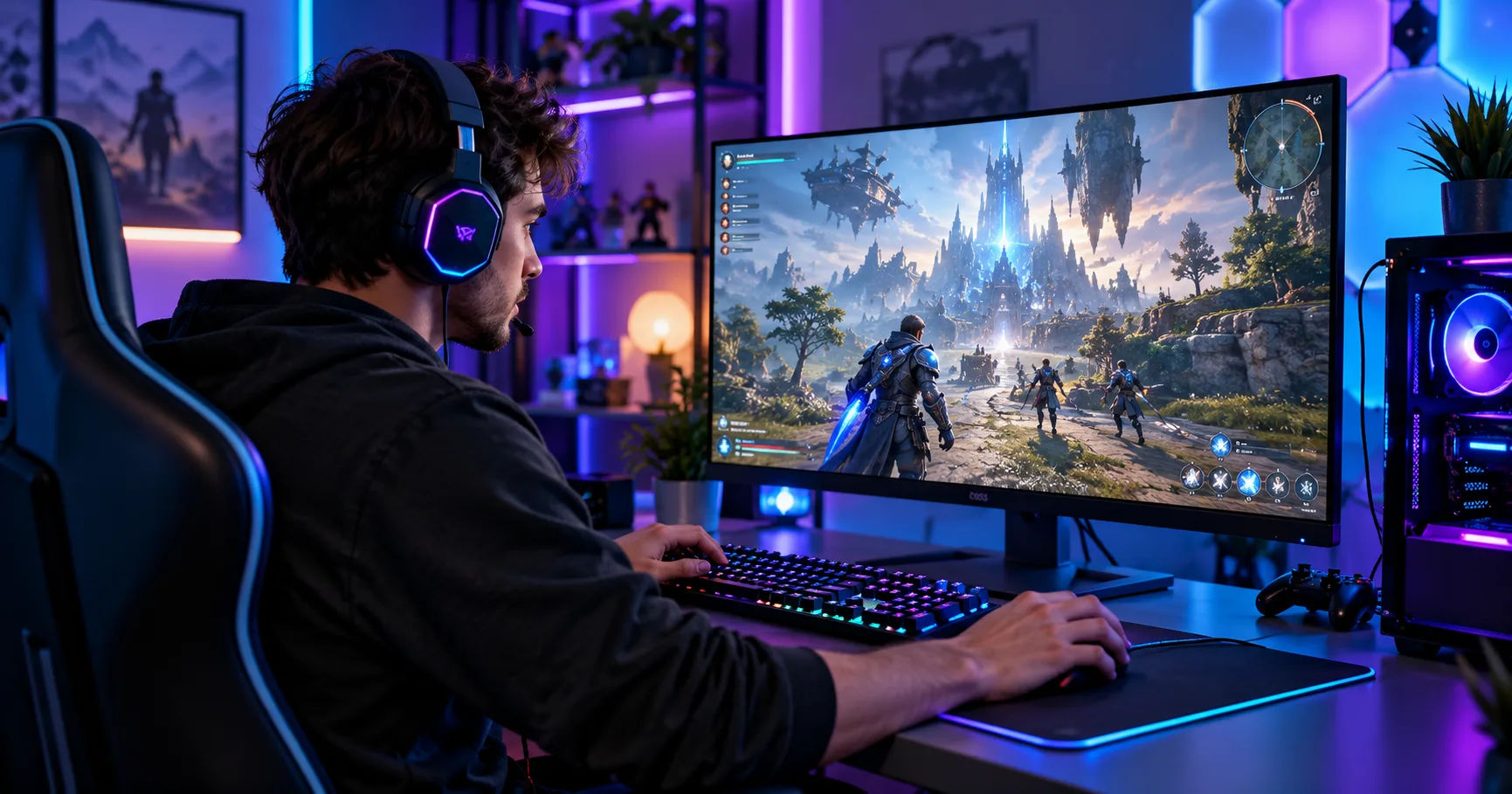 Online gaming allows players to interact with others, complete challenges, compete in tournaments, and explore virtual worlds through an internet connection. Depending on the game, players may solve puzzles, develop strategies, communicate with teammates, or work toward shared goals. These activities can provide opportunities to practice useful skills while enjoying an engaging experience.
Understanding the benefits of online gaming helps players, parents, teachers, and students make informed decisions about digital entertainment. When gaming is balanced with education, physical activity, sleep, and social responsibilities, it can become a positive part of everyday life. The key is to choose suitable games, develop healthy habits, and understand how gaming can support personal growth.
1. Improves Problem-Solving Skills
One of the major advantages of digital games is their ability to encourage problem-solving. Many games present challenges that require players to think carefully, analyze situations, and find effective solutions.
For example, strategy games may require players to manage resources, protect their teams, and make decisions under pressure. Puzzle games encourage players to recognize patterns, test different approaches, and learn from mistakes.
These experiences can help players become more comfortable facing challenges. Instead of giving up immediately, they may learn to examine a problem and consider several possible solutions.
Encourages Logical Thinking
Logical thinking involves understanding relationships between different actions and their results. Many games reward players who recognize patterns and predict what might happen next.
A player solving a complicated puzzle may need to identify clues, eliminate incorrect options, and follow a sequence of steps. These activities encourage structured thinking.
Although gaming does not automatically make someone better at every real-world problem, games that involve meaningful challenges can provide useful opportunities to practice reasoning.
Develops Decision-Making Abilities
Games frequently require quick decisions. Players may need to choose a route, select equipment, manage limited resources, or decide when to cooperate with another player.
These situations teach players to consider risks and rewards. Over time, they may become more confident when comparing options and adjusting their decisions as circumstances change.
2. Strengthens Memory and Concentration
Many games require players to remember instructions, locations, characters, objectives, and previous events. These demands can provide practice in remembering information and paying attention to important details.
For instance, adventure games often require players to remember clues discovered earlier. Strategy games may require them to track opponents' movements and recall which tactics worked in previous rounds.
Supports Short-Term Memory
Short-term memory helps people hold information in mind while completing a task. Certain games require players to remember a sequence of actions, follow instructions, or respond to changing conditions.
These activities may help players practice keeping relevant information available while making decisions.
However, the effects depend on the game and the individual. Improvements in a particular game do not necessarily translate into better memory in every area of life.
Improves Attention to Detail
Some games reward players for noticing small changes in their surroundings. A hidden object, an approaching opponent, or a minor change in a puzzle can determine whether a player succeeds.
Learning to notice these details can make gameplay more effective. It may also encourage players to slow down and examine information carefully when a task requires accuracy.
3. Encourages Teamwork and Cooperation
Many multiplayer games involve teams that must work together to achieve a shared objective. Players may have different responsibilities, strengths, and abilities, making cooperation essential.
For example, one player might protect teammates while another provides support or completes a specific objective. Success often depends on how well the team coordinates its actions.
Teaches Shared Responsibility
Team-based games show players that individual actions can influence group performance. Ignoring a responsibility may affect the entire team, while helping others can improve everyone's chances of success.
This experience can encourage players to recognize the importance of reliability and cooperation.
The same principles apply to school projects, sports teams, and workplace activities, where people must contribute toward common goals.
Builds Respect for Different Skills
Not every player has the same abilities. Some may make quick decisions, while others are better at planning, communication, or problem-solving.
Working with different teammates can help players appreciate these differences. They may learn that successful cooperation depends on using individual strengths rather than expecting everyone to perform the same role.
4. Develops Communication Skills
Communication is an important part of many multiplayer experiences. Players use text messages, voice chat, and in-game signals to share information and coordinate their actions.
They may need to explain a plan, ask for assistance, warn teammates about danger, or give clear instructions during a difficult challenge.
Encourages Clear Instructions
Games often reward players who communicate information quickly and accurately. A confusing message can cause mistakes, while a clear explanation can help teammates respond effectively.
These situations provide opportunities to practice expressing ideas in a direct and understandable way.
Players may also become better at listening because they need to understand instructions and respond to changing team requirements.
Promotes Positive Feedback
Constructive feedback helps teams improve. Instead of blaming someone for a mistake, players can explain what went wrong and suggest a better approach.
Learning to provide and receive feedback respectfully can support communication beyond gaming.
Nevertheless, not every gaming community encourages positive behavior. Players should avoid abusive interactions, use available reporting tools, and protect their personal information when communicating with strangers.
5. Creates Opportunities for Social Connection
Digital games can bring people together even when they live far apart. Friends and family members can play together, communicate regularly, and share experiences without needing to be in the same physical location.
For people with similar interests, gaming communities can also provide opportunities to meet others and develop friendships.
Helps Friends Stay Connected
Friends who attend different schools or live in separate cities may find it difficult to meet regularly. Playing a cooperative game can give them a shared activity and an opportunity to spend time together.
They can celebrate achievements, discuss strategies, and enjoy friendly competition.
These experiences can help maintain existing relationships, especially when players communicate respectfully and make time for other forms of interaction.
Creates a Sense of Belonging
Some players join communities organized around particular games, interests, or competitive events. These groups may exchange advice, organize activities, and welcome newcomers.
Feeling accepted by a positive community can make entertainment more enjoyable.
However, online friendships should develop with appropriate boundaries. Players should avoid sharing sensitive personal details and should seek help from a trusted adult if someone behaves in a threatening or inappropriate way.
6. Provides Stress Relief and Entertainment
Daily responsibilities can sometimes become overwhelming. Schoolwork, employment, family obligations, and personal challenges may leave people looking for a relaxing activity.
For some individuals, playing a favorite game offers a temporary break from these pressures.
Offers an Enjoyable Mental Break
Games can provide engaging challenges that shift attention away from everyday concerns. Relaxed exploration, creative building, and casual puzzles may help some players unwind after a demanding day.
Enjoyable activities can contribute to a balanced leisure routine, particularly when they do not interfere with essential responsibilities.
Different people relax in different ways, so gaming should be considered one possible recreational choice rather than a universal solution for stress.
Creates Opportunities for Achievement
Completing a difficult level, solving a puzzle, or helping a team win can create a sense of accomplishment.
Small achievements may make leisure time more satisfying and encourage players to continue practicing a skill.
However, losing can also cause frustration. Players benefit from recognizing when they need a break and remembering that performance in a game does not determine their personal worth.
7. Encourages Creativity and Imagination
Some games provide open environments where players can design buildings, create characters, develop stories, or build entire virtual communities.
These experiences encourage experimentation because players can test ideas and change their designs when something does not work.
Supports Creative Design
Building games often allow players to choose materials, arrange spaces, and develop original structures. Players may experiment with colors, shapes, layouts, and architectural styles.
These activities can introduce basic design principles and encourage creative thinking.
A player designing a virtual city, for example, may need to consider transportation, available space, and how different buildings fit together.
Inspires Storytelling
Role-playing and adventure games often include characters, fictional worlds, and complex storylines. Players may make decisions that influence events or imagine alternative outcomes.
Some games also let players create their own stories and share them with others.
These experiences can inspire writing, illustration, character development, and other creative interests. Their educational value often depends on how actively players engage with the creative process.
8. Introduces Technology and Digital Skills
Modern games operate through computers, consoles, tablets, and smartphones. Using these platforms can help players become more comfortable with digital interfaces and common technology features.
They may learn how to adjust settings, manage accounts, install updates, troubleshoot simple problems, and communicate through digital tools.
Builds Technical Confidence
When a game fails to launch or a controller stops responding, players may need to investigate the problem. They might check connections, review settings, or search for reliable instructions.
These small tasks can encourage independent learning and practical troubleshooting.
Some players also develop an interest in computer hardware, game design, programming, or digital animation after exploring games.
Encourages Digital Awareness
Playing games connected to the internet can introduce players to account security, privacy settings, digital purchases, and community rules.
Understanding these features is valuable because similar issues appear across social media, educational platforms, and other online services.
Players should use strong, unique passwords, enable additional account protection where available, and avoid suspicious links or offers that promise free rewards.
9. Supports Learning and Education
Educational games use interactive activities to explain concepts, test knowledge, and encourage practice. They can make certain lessons more engaging by allowing learners to explore information rather than simply read about it.
The strongest educational benefits usually occur when game activities match clear learning objectives.
Makes Difficult Concepts Easier to Explore
Some games simulate historical events, scientific systems, economic decisions, or geographical environments. These simulations can help learners visualize relationships that might otherwise seem abstract.
For example, a city-building game may introduce ideas about planning, resource allocation, and public services.
Such games can complement classroom instruction, but they should not replace reliable educational materials or guidance from teachers.
Encourages Learning Through Mistakes
Many games let players try again after an unsuccessful attempt. They can change their approach, observe the result, and gradually improve.
This process encourages experimentation and persistence.
In educational settings, teachers may use suitable game-based activities to reinforce vocabulary, mathematics, science, or problem-solving. Progress should still be evaluated through meaningful learning outcomes rather than game scores alone.
10. Promotes Strategic Planning and Patience
Some games reward careful preparation rather than immediate action. Players may need to collect resources, plan several moves ahead, or wait for the right opportunity.
These challenges can encourage patience and long-term thinking.
Helps Players Set Goals
A complex game may contain several objectives, such as completing a mission, unlocking a feature, or improving a character's abilities.
Players often divide these objectives into smaller steps and work through them gradually.
This approach resembles goal-setting in everyday life. Large tasks can feel more manageable when people identify achievable milestones and monitor their progress.
Teaches Adaptability
Plans do not always work as expected. An opponent may change tactics, a resource may become unavailable, or an unexpected challenge may appear.
Players must then reconsider their strategy and try another approach.
Learning to adjust plans can encourage flexible thinking. It also shows why persistence is most useful when combined with reflection and a willingness to change direction.
11. Develops Healthy Competition and Sportsmanship
Competitive games allow players to test their abilities against others. They may participate in friendly matches, organized leagues, or esports tournaments.
Competition can be motivating when players focus on improving their performance and respecting other participants.
Teaches Winning and Losing Gracefully
Winning can be exciting, but losing is also a normal part of competition. Players who respond constructively to defeat can examine mistakes and identify areas for improvement.
Similarly, congratulating opponents and appreciating their skills demonstrates respect.
These habits support sportsmanship and help create more enjoyable gaming environments.
Encourages Continuous Improvement
Players often review their performance, practice difficult techniques, and learn from experienced competitors.
Setting realistic improvement goals can make practice more purposeful.
It is important, however, to maintain perspective. Competitive success should not come at the expense of sleep, education, relationships, or personal well-being.
12. May Improve Coordination and Reaction Time
Certain games require players to respond quickly to visual information while controlling a character or device. Action games, racing games, and some sports simulations combine observation, timing, and movement.
These activities may help players practice specific coordination skills.
Strengthens Hand-Eye Coordination
Hand-eye coordination involves using visual information to guide physical movement. A player might watch an object move across the screen while pressing buttons or moving a controller at the appropriate moment.
Repeated practice may improve performance on similar tasks.
However, the results vary by person and activity. Better performance with a controller does not automatically mean that every physical coordination skill will improve.
Encourages Quick Responses
Fast-paced games often require players to notice changes and respond within a limited period.
This can provide practice in recognizing visual cues and reacting to them.
Players should still balance screen activities with physical exercise, outdoor recreation, and other activities that support overall health.
13. Creates Opportunities for Careers and Personal Interests
Gaming can lead to interests that extend beyond playing. Some people become curious about game development, animation, sound design, cybersecurity, competitive esports, or digital content creation.
These fields require different combinations of technical, creative, communication, and organizational skills.
Introduces Game Development
Players who enjoy understanding how games work may explore programming languages, level design, graphics, or storytelling.
Creating a small game can teach planning, testing, debugging, and collaboration.
Beginners can start with simple projects and gradually develop more advanced skills.
Opens Doors to Digital Communities
Some players share tutorials, stream gameplay, organize competitions, or create reviews. These activities can provide practice in public speaking, editing, writing, and audience communication.
Professional success in these fields is not guaranteed, and competition can be intense. Nevertheless, gaming-related interests can become useful starting points for learning new skills.
14. How to Enjoy Online Gaming Responsibly
The benefits of online gaming Z555 Game are most likely to be meaningful when players maintain a healthy balance. Spending too much time playing can interfere with sleep, exercise, schoolwork, employment, and personal relationships.
Responsible habits help players enjoy games without allowing them to dominate daily life.
Set Clear Time Limits
Decide how much time is available for gaming after completing important responsibilities. Use alarms or device settings if it is difficult to stop playing.
Take regular breaks, stretch, and look away from the screen. Avoid letting one more round repeatedly extend a planned session.
Choose Age-Appropriate Games
Review game ratings, content descriptions, communication features, and purchase options before choosing a game.
Parents and caregivers can help younger players select suitable titles and establish reasonable boundaries.
Games should offer an appropriate level of challenge without exposing players to content they are not ready to handle.
Protect Personal Information
Never share passwords, financial details, home addresses, or other sensitive information with strangers in gaming communities.
Be cautious about unexpected messages, suspicious downloads, and offers that require account details. Use privacy controls and report harassment or inappropriate behavior.
Maintain Balance in Everyday Life
Make time for studying, work, physical activity, family, friends, and adequate sleep. Gaming should fit into a healthy routine rather than replace these important activities.
If playing regularly causes missed responsibilities, persistent conflict, or difficulty stopping, consider reducing gaming time and seeking support when necessary.
Conclusion
Online gaming offers a wide range of potential benefits when it is approached thoughtfully. It can encourage problem-solving, strengthen concentration, support communication, promote teamwork, and create opportunities for social connection. Creative games can inspire imagination, while educational experiences may help learners explore difficult concepts in engaging ways.
Gaming can also introduce players to technology, strategic planning, healthy competition, and interests that may develop into valuable personal or professional skills. However, these benefits depend on the types of games people play, how they interact with others, and the amount of time they spend gaming.
A balanced approach is essential. Players should select suitable games, protect their privacy, take regular breaks, and prioritize their responsibilities outside the screen. Parents and educators can also help by encouraging positive gaming experiences and discussing safe digital behavior.
Ultimately, the greatest benefits come from treating gaming as one part of a well-rounded lifestyle. When combined with learning, exercise, meaningful relationships, and sufficient rest, it can provide enjoyable challenges while supporting personal development. The goal is not simply to play more, but to make gaming a positive, safe, and rewarding activity.