Mobile gaming has become one of the most popular forms of entertainment worldwide. People enjoy playing games on smartphones and tablets because these devices offer convenience, portability, and access to thousands of exciting titles. From simple puzzles and racing games to competitive multiplayer battles, mobile games provide experiences for different interests and age groups. However, one common question among players is whether a fast internet connection is necessary for an enjoyable gaming experience.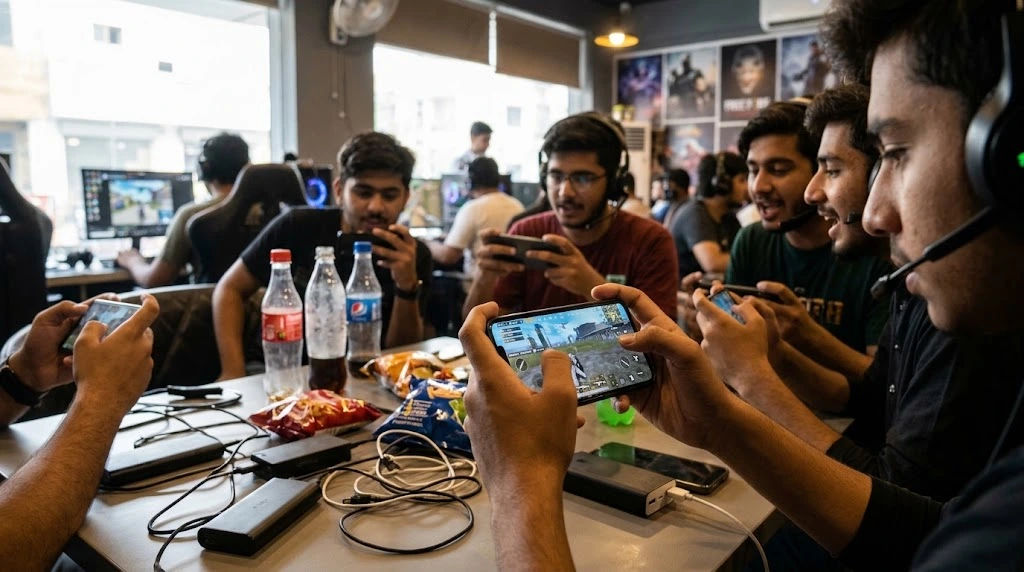
The answer depends on the type of game, its features, and how players prefer to enjoy it. Mobile App Gaming does not always require high-speed internet, especially when someone plays offline puzzles, adventure games, or single-player challenges. However, online multiplayer games, cloud gaming platforms, and real-time competitions often need stable and reliable internet connections. Understanding these differences can help players choose suitable games, avoid unnecessary connection problems, and enjoy smoother gameplay.
This comprehensive guide explores the relationship between internet speed and mobile gaming. It explains when fast internet is necessary, how connection quality affects performance, which internet options are suitable, and what players can do to improve their gaming experience.
Internet Requirements for Mobile Games
Not every mobile game uses the internet in the same way. Some games work entirely offline, while others depend on continuous communication with online servers.
Understanding these requirements is the first step toward deciding whether a high-speed connection is necessary.
Offline Games and Internet Speed
Offline games are designed to work without an active internet connection. Players can download these games and enjoy most of their features without connecting to Wi-Fi or mobile data.
Examples include basic puzzle games, offline racing games, word challenges, and certain adventure titles.
These games usually store important information directly on the device. As a result, internet speed does not affect normal gameplay after installation.
However, an internet connection might still be required for downloading updates, accessing additional content, watching advertisements, or synchronizing saved progress.
For people who enjoy casual entertainment, offline games provide an excellent option because they do not depend on network availability.
Online Games and Internet Connectivity
Online games have different requirements because they communicate with remote servers. This communication allows players to compete against others, participate in multiplayer matches, and receive updated game information.
For example, multiplayer racing games need to exchange information about vehicle positions, movements, and player actions.
Similarly, online shooting games must process movements, attacks, and interactions quickly.
A slow or unstable connection can interrupt this communication and create noticeable delays.
Therefore, online gaming benefits considerably from reliable internet connectivity.
Why Fast Internet Matters in Mobile App Gaming
Internet speed can influence several aspects of an online gaming experience. However, download speed is only one part of overall connection quality.
Players should also understand latency, stability, and upload speed.
Reducing Lag During Gameplay
Mobile App Gaming pkr spin of the most frustrating problems mobile gamers experience. It happens when information takes too long to travel between a device and the game server.
For example, a player might press a button to move forward, but the character responds several moments later.
This delay can affect performance, particularly in competitive games where quick reactions are important.
A reliable connection with low latency helps actions register more quickly.
Although faster internet packages can sometimes improve performance, low latency and network stability are often more important than having extremely high download speeds.
Improving Multiplayer Experiences
Multiplayer games allow people to compete or cooperate with players from different locations.
These experiences require regular communication between devices and servers.
When the connection is weak, players might experience delayed movements, disconnected matches, or inaccurate interactions.
A stable connection makes multiplayer sessions more enjoyable because players can respond to changing situations without unnecessary interruptions.
This is especially important in team-based games where communication and timing influence the outcome.
Supporting Real-Time Game Updates
Many modern games receive regular updates that introduce new characters, maps, events, and gameplay improvements.
Some updates are relatively small, while others can contain large amounts of downloadable data.
A faster connection reduces the time required to download these files.
However, download speed does not necessarily determine how smoothly the game operates after an update has finished.
Once the necessary files are installed, the game's ongoing internet requirements depend on its design.
How Much Internet Speed Do Mobile Games Need?
The internet speed required for gaming depends on the game's features and online activities.
A simple multiplayer game might operate comfortably with a modest connection, while cloud gaming requires significantly more bandwidth.
The following estimates provide a general starting point.
Recommended Internet Speeds
|
Gaming activity |
General download speed |
|---|---|
|
Offline gaming |
No ongoing internet required |
|
Basic online games |
1–3 Mbps |
|
Multiplayer mobile games |
3–10 Mbps |
|
Competitive online gaming |
5–15 Mbps |
|
Cloud gaming |
15–35 Mbps or more |
These figures are approximate guidelines rather than universal requirements. Actual needs vary depending on the game, server location, resolution, number of connected devices, and network conditions.
A player should also consider upload speed because online games sometimes need to send information from the device to the server.
For many conventional mobile games, extremely high download speeds are unnecessary.
A stable connection with reasonable bandwidth is generally sufficient.
Understanding Ping and Latency
Ping measures how long information takes to travel from a device to a server and return. It is usually measured in milliseconds.
Lower ping generally means faster communication.
For example:
-
Below 30 milliseconds: Excellent responsiveness.
-
30–60 milliseconds: Generally very good.
-
60–100 milliseconds: Often acceptable.
-
100–150 milliseconds: Delays may become noticeable.
-
Above 150 milliseconds: Competitive gameplay can become difficult.
These are general reference ranges, not strict performance guarantees.
The actual experience also depends on server quality, routing, and network stability.
For competitive players, choosing a nearby game server can sometimes improve responsiveness more than purchasing a faster internet package.
Different Types of Internet Connections for Mobile Gaming
Players can access the internet through different technologies. Each option offers particular advantages and limitations.
Choosing the right connection can make a noticeable difference in gaming performance.
Wi-Fi Connections
Wi-Fi is one of the most convenient ways to connect smartphones to the internet.
A good home broadband connection can provide consistent speeds and sufficient bandwidth for several online activities.
However, Wi-Fi performance depends on router quality, distance, interference, and the number of connected devices.
Players should try to stay close to their router when experiencing connection problems.
Using a modern router and selecting an appropriate frequency band can also improve performance.
For many households, Wi-Fi provides a practical solution for regular mobile gaming.
4G Mobile Internet
Fourth-generation mobile networks provide internet access without requiring a fixed broadband connection.
They are useful for people who enjoy gaming while travelling, waiting, or spending time outside their homes.
A strong 4G connection can support many online mobile games comfortably.
However, performance can change depending on network coverage, congestion, weather conditions, and distance from mobile towers.
Players should also consider their data allowance because online gaming and downloading updates can consume mobile data.
5G Mobile Internet
Fifth-generation networks offer the potential for higher speeds, lower latency, and greater network capacity.
These improvements can benefit mobile gamers, especially those using data-intensive services.
A strong 5G connection may provide a smoother experience for supported multiplayer and cloud gaming applications.
However, 5G is not automatically better in every situation.
Coverage, network congestion, device compatibility, and signal strength still matter.
A stable 4G connection can sometimes perform better than a weak 5G signal.
Games That Need Fast and Stable Internet
Some gaming categories depend more heavily on internet connectivity than others.
Knowing which games require continuous communication can help players understand their connection needs.
Competitive Shooting Games
Competitive shooting games require quick responses and accurate communication between players and servers.
When someone moves, aims, or fires, the game must process those actions with minimal delay.
High latency can create disadvantages because opponents might appear to move differently from their actual server positions.
A stable connection is therefore important for maintaining consistent performance.
Online Racing Games
Online racing games involve several players competing simultaneously.
Vehicle movements, speed changes, collisions, and track positions must be communicated regularly.
Connection interruptions can cause vehicles to jump between positions or matches to become disconnected.
A reliable internet connection helps maintain smoother races.
Multiplayer Strategy Games
Strategy games often involve coordinated decisions, resource management, and interactions between several players.
Some turn-based games can tolerate minor delays because actions do not happen continuously.
However, real-time strategy games may require more responsive communication.
Their internet requirements depend on how frequently players interact with the game server.
Cloud Gaming Applications
Cloud gaming works differently from traditional mobile gaming.
Instead of processing the entire game locally, a remote server performs much of the computing work and streams the visual output to the player's device.
The smartphone sends player commands to the server and receives video frames in return.
This process requires more consistent bandwidth than most conventional mobile games.
High latency, packet loss, and unstable connections can cause blurry visuals, delayed controls, and interruptions.
Therefore, cloud gaming generally benefits from faster and more reliable internet.
Can Mobile App Gaming Work With Slow Internet?
Yes, many games can still provide enjoyable experiences with slower internet connections.
The important factor is choosing games that match the available network conditions.
Choosing Offline-Friendly Games
Offline games are ideal for players who have limited mobile data or unreliable broadband access.
Puzzle games, word games, offline adventures, and certain simulation titles can offer hours of entertainment without requiring continuous connectivity.
Players should check whether a game genuinely supports offline play before downloading it.
Some applications require an initial internet connection for account verification or periodic access checks.
Playing Turn-Based Games
Turn-based games are generally more flexible than fast-paced multiplayer titles.
Players take turns making decisions rather than responding to continuously changing situations.
This design means that occasional communication delays may have less impact on the experience.
For example, certain board games and tactical challenges can remain enjoyable even with modest internet speeds.
Avoiding Unnecessary Background Activity
Slow connections can become even less effective when multiple applications use the network simultaneously.
Streaming videos, downloading files, and updating applications may consume available bandwidth.
Closing unnecessary applications and pausing large downloads can help improve gaming performance.
This approach is particularly useful when several people share the same internet connection.
Common Internet Problems Affecting Mobile Gaming
Even players with fast broadband connections can experience technical problems.
Understanding common network issues makes troubleshooting easier.
High Network Congestion
Network congestion occurs when too many devices use the same connection or network resources simultaneously.
For example, family members might stream movies, attend video meetings, and download files while someone is playing an online game.
This activity can reduce available bandwidth and increase latency.
Using a less crowded network or adjusting router settings may improve the experience.
Weak Wi-Fi Signals
A smartphone located far from the router might receive a weak signal.
Walls, furniture, electronic devices, and other obstacles can interfere with wireless communication.
Players should consider moving closer to the router or repositioning it in a more central location.
Packet Loss
Packet loss occurs when some information fails to reach its intended destination.
It can produce freezing, unexpected movements, delayed actions, and temporary disconnections.
Unlike ordinary slow download speeds, packet loss can seriously affect gameplay even when a speed test appears satisfactory.
Restarting networking equipment and checking for interference may help identify the cause.
Unstable Mobile Data Coverage
Mobile internet performance can change as users move between locations.
A connection that works well outdoors might become unreliable inside a building.
Switching between different network modes or moving to an area with stronger reception may improve connectivity.
Practical Ways to Improve Internet Performance While Gaming
Players do not always need expensive internet upgrades to improve their experience.
Several simple adjustments can make an existing connection more reliable.
Position Your Router Correctly
Place the router in an open, central location whenever possible.
Avoid hiding it behind large furniture or placing it inside enclosed cabinets.
A better position can improve signal strength throughout the home.
Use a Suitable Wi-Fi Band
Many modern routers support both 2.4 GHz and 5 GHz Wi-Fi bands.
The 2.4 GHz band generally offers better coverage over longer distances, while 5 GHz can provide higher speeds at shorter distances.
Choosing the right band depends on the distance between the smartphone and router.
Some newer devices also support 6 GHz Wi-Fi, which can offer additional capacity when compatible equipment is available.
Pause Background Downloads
Automatic updates and large downloads can interfere with online gameplay.
Players should pause unnecessary downloads during important gaming sessions.
They can also review application settings to prevent unwanted background activity.
Keep Your Device Updated
Operating system updates and game patches can fix software problems that affect connectivity.
Keeping applications updated helps maintain compatibility with online services.
However, updates should preferably be downloaded before starting an important gaming session.
Choose Nearby Game Servers
Some games allow users to select a server region.
Choosing a geographically closer server can reduce communication delays.
This is particularly helpful for competitive games where response time matters.
Does Fast Internet Improve Graphics and Game Quality?
Fast internet does not automatically improve the graphics of every mobile game.
Most traditional mobile games process graphics using the smartphone's processor and graphics hardware.
Their visual quality depends primarily on device specifications, game settings, and software optimization.
However, internet connectivity can affect graphics in certain situations.
Cloud gaming is a clear example because visual content is streamed from remote servers.
A faster and more stable connection can support higher streaming resolutions and reduce buffering.
Some online games also download additional textures, maps, or visual content when required.
Therefore, internet speed can influence visual quality indirectly, but it is not a replacement for capable mobile hardware.
Managing Mobile Data While Playing Online Games
Internet speed is important, but data consumption also deserves attention.
Players using limited mobile data packages should understand how different gaming activities affect their monthly allowance.
Monitor Data Usage
Smartphones usually include built-in tools for checking mobile data consumption.
Players can review which applications use the most data and identify unnecessary activity.
This makes it easier to control spending and avoid exhausting a data package unexpectedly.
Download Updates Through Wi-Fi
Game updates can sometimes be several hundred megabytes or multiple gigabytes.
Downloading these files through Wi-Fi can help preserve mobile data.
Players should also consider disabling automatic downloads when using cellular connections.
Understand Streaming Requirements
Cloud gaming and live-streaming features generally consume more data than ordinary online multiplayer gameplay.
Playing for extended periods can use a substantial amount of mobile data.
Checking application settings and available data estimates can help users plan their gaming sessions.
Choosing the Right Internet Plan for Mobile Gaming
Selecting an internet package should involve more than comparing advertised download speeds.
Players should evaluate their actual gaming habits and household requirements.
Someone who mostly plays offline games does not need an expensive high-speed package.
However, someone who regularly participates in competitive multiplayer matches or cloud gaming sessions may benefit from a more capable connection.
Consider the following factors:
-
Download speed: Determines how quickly game files and updates can be downloaded.
-
Upload speed: Supports sending gameplay information to online servers.
-
Latency: Influences how quickly actions are communicated.
-
Connection stability: Helps prevent unexpected interruptions.
-
Data allowance: Determines how much online gaming and downloading can be done.
-
Network coverage: Affects mobile internet reliability in different locations.
Players should also consider the number of people sharing their household connection.
A package that works well for one smartphone might struggle when several devices are simultaneously streaming or downloading content.
The best internet plan is one that consistently supports the activities performed on the network without unnecessary expense.
The Future of Internet Connectivity and Mobile Gaming
Mobile gaming technology continues to develop as smartphones become more powerful and internet networks improve.
Developers are introducing increasingly sophisticated multiplayer experiences, advanced graphics, and new online features.
Faster mobile networks may make cloud gaming more accessible by reducing latency and improving streaming quality.
Artificial intelligence and improved server technologies may also help developers create more responsive online experiences.
At the same time, traditional offline games will continue to serve players who prefer convenience and independence from internet connections.
This means future gaming experiences will likely offer more choices for people with different devices, network conditions, and playing preferences.
Players will not necessarily need the fastest available internet package to enjoy modern games.
Instead, they will benefit from understanding which technologies and connection features are most important for their preferred gaming activities.
Conclusion
So, does Mobile App Gaming need fast internet? The answer depends largely on the type of games people enjoy and the features they want to access. Offline games, puzzles, single-player adventures, and many casual experiences can work without continuous internet connectivity. These options are suitable for people who have limited data or frequently experience unreliable network coverage.
On the other hand, online multiplayer games, competitive shooting titles, real-time racing experiences, and cloud gaming applications benefit from stable and responsive internet connections. Low latency, sufficient bandwidth, and minimal packet loss are particularly important when players need to communicate with remote servers quickly.
It is also important to understand that extremely high download speeds do not guarantee better gameplay. A moderate but stable connection can provide a more enjoyable experience than a faster connection affected by congestion, interference, or frequent disconnections.
Players can improve their experience by positioning routers correctly, choosing suitable Wi-Fi bands, pausing unnecessary downloads, selecting nearby game servers, and monitoring mobile data consumption. These practical steps can often solve common connectivity problems without requiring expensive upgrades.
Ultimately, Mobile App Gaming offers entertainment for people with different internet speeds and connection preferences. The best approach is to choose games that match available network conditions and invest in reliable connectivity when online features are an important part of the experience. With the right combination of games, devices, and internet settings, players can enjoy smooth, convenient, and entertaining gaming sessions without paying for more internet speed than they actually need.